Suparco Identifies 130 Potentially Dangerous Glacial Lakes
Suparco has identified 130 potentially dangerous glacial lakes in Pakistan's northern regions. 24 of these lakes are currently unfrozen and under close observation.
Intelligence analysis by Llama 3.3 70B
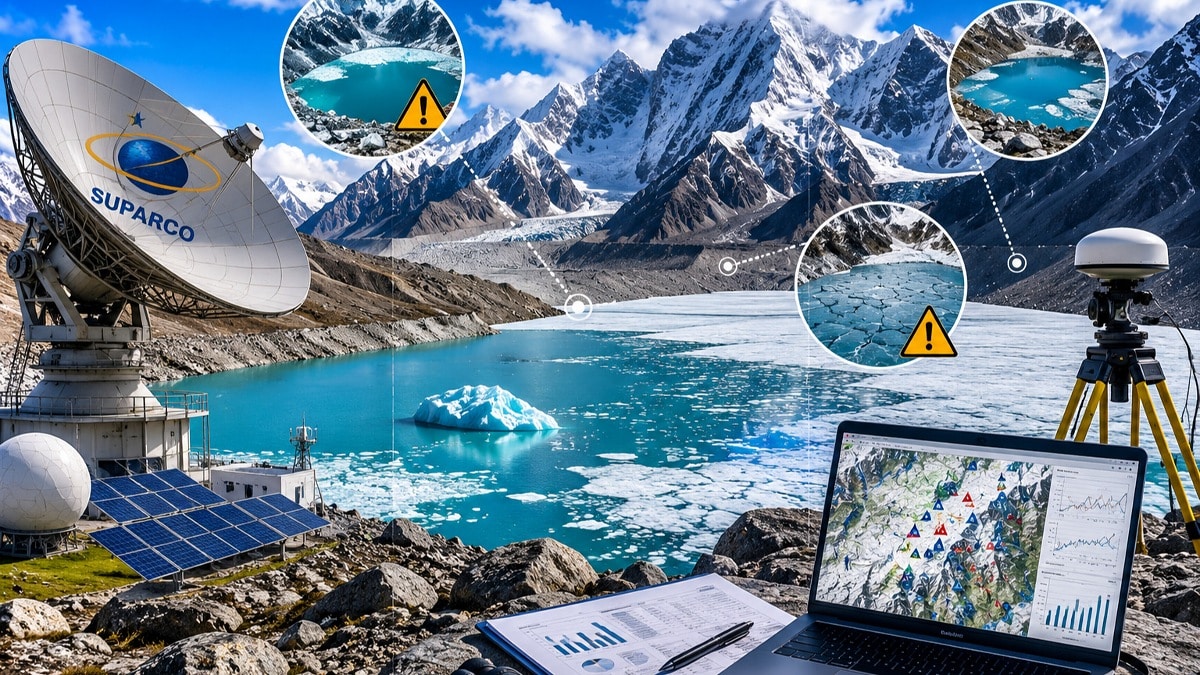
Suparco is monitoring glacial lakes to assess the risk of glacial lake outburst floods and identify vulnerable populations.
Imagine a big lake formed by melting glaciers. If the lake bursts, it can cause flooding and damage to nearby areas. Suparco is keeping an eye on these lakes to make sure people are safe.
Analysis
Introduction to Glacial Lakes
Suparco's identification of 130 potentially dangerous glacial lakes in Pakistan's northern regions highlights the importance of monitoring these natural formations. Glacial lakes are created when glaciers melt and form lakes, which can be hazardous if they burst and cause flooding. The fact that 24 of these lakes are currently unfrozen and under close observation suggests that the risk of glacial lake outburst floods is real and needs to be addressed.
Assessing the Risks
The assessment of glacial lakes is a complex process that involves satellite-based mapping and monitoring. Suparco has been using satellite images to identify the location of these lakes and assess the risk of flooding. The agency has also been sharing its findings with relevant authorities, including disaster management agencies and the Ministry of Climate Change. This collaborative approach is essential for improving disaster preparedness and response planning in vulnerable mountain regions.
Mitigating the Risks
To mitigate the risks associated with glacial lake outburst floods, authorities need to take proactive measures. This can include evacuating people from vulnerable areas, building flood protection infrastructure, and implementing early warning systems. The identification of potentially dangerous glacial lakes is a critical step in this process, as it allows authorities to focus their efforts on the most vulnerable areas. By working together, Suparco, disaster management agencies, and the Ministry of Climate Change can help reduce the risks associated with glacial lake outburst floods and protect the lives and livelihoods of people living in these regions.
Key points
- Suparco has identified 130 potentially dangerous glacial lakes in Pakistan's northern regions
- 24 of these lakes are currently unfrozen and under close observation
- The identification of these lakes is crucial for improving disaster preparedness and response planning
The identification of potentially dangerous glacial lakes can help authorities take proactive measures to mitigate the risks associated with glacial lake outburst floods. By working together, Suparco, disaster management agencies, and the Ministry of Climate Change can help reduce the risks and protect the lives and livelihoods of people living in these regions.
The presence of 130 potentially dangerous glacial lakes in Pakistan's northern regions poses a significant risk to nearby communities. If a glacial lake bursts, it can cause catastrophic flooding and damage to infrastructure, livelihoods, and lives.