Supplier of housing for homeless linked to faith group tax avoidance scheme
A Guardian investigation links members of the Schreiber family to a faith-room tax scheme and to a company housing homeless people for councils.
Intelligence analysis by GPT-5.4 Mini
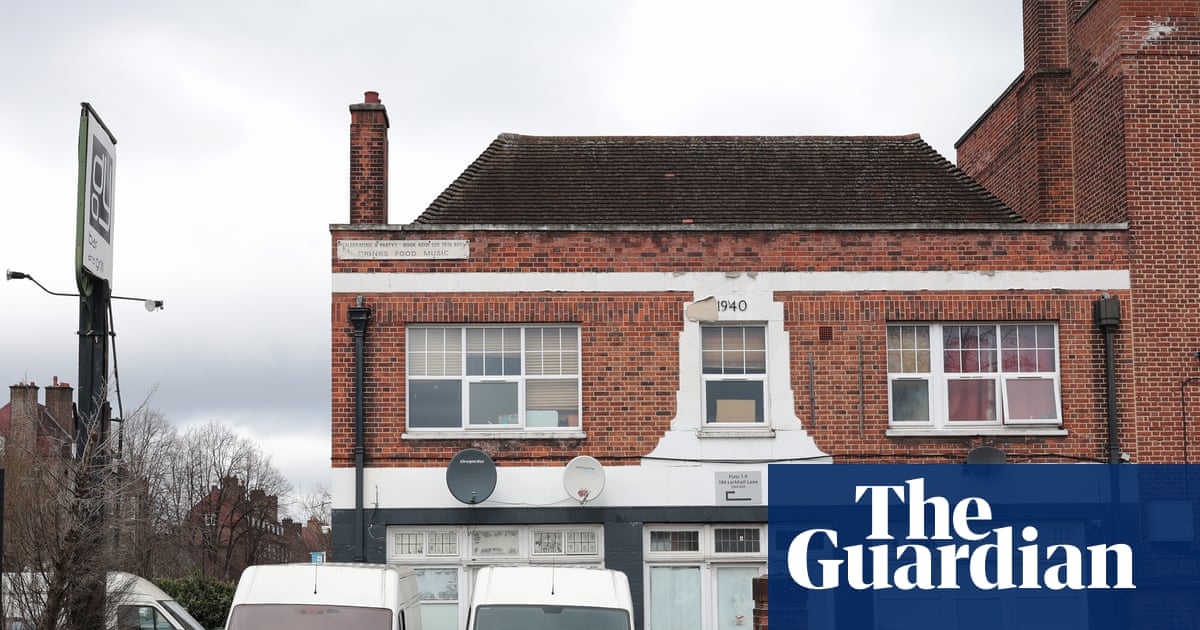
The Guardian says records, archives and filings suggest overlap between Midos Group, tied to a prayer-room business-rate avoidance scheme, and Midos Management Co, which provides temporary accommodation for homeless people to councils. Both sides deny a connection.
A newspaper says one family may be making money in two different ways. One business may have helped owners avoid a local tax by saying empty rooms were used for prayer.
At the same time, another business with a similar name was getting paid by councils to house homeless people. That means public money may be going out while tax money may be missing.
It is like a shop owner asking for a discount on one side of the counter and charging the town on the other. The paper says the family denies the two businesses are connected.
Analysis
What the investigation says
The Guardian reports that members of the Schreiber family sit behind a broad commercial property portfolio and that some of their companies were involved in a controversial “faith room” arrangement used to reduce business rates. The article says the scheme relies on a legal exemption for empty commercial property that is supposedly available for religious worship.
The tax dispute
According to court documents cited by the paper, Dover district council is pursuing about £1.7m in unpaid tax from defendants including Verity and two Schreiber-linked companies connected to Discovery Park in Kent. The claim says dozens of empty units were treated as prayer spaces in a way the council argues was not genuine worship. The defendants deny wrongdoing and say the sessions were real and the arrangement was legitimate.
The housing angle
The same investigation says a separate but similarly named company, Midos Management Co, has been supplying temporary accommodation for homeless people to local authorities, including Lambeth, for fees funded from already strained housing budgets. Lawyers for Midos Group and a spokesperson for Midos Management Co say there is no connection between the entities, but the Guardian says company records, archived webpages and ancestry information suggest significant overlap in people and business interests.
Why this is sensitive
The article frames the issue as a public-finance problem: councils may lose business-rate revenue from some properties while also paying for homeless housing from tight budgets. Campaigners and an MP quoted by the paper question whether the family can profit from both sides of that pressure at once.
Key points
- The Guardian links the Schreiber family to both a faith-room tax scheme and a homeless housing business.
- Dover district council is pursuing about £1.7m in unpaid tax from companies tied to the scheme.
- The article says Midos Management Co provided temporary accommodation for homeless people to councils, including Lambeth.
- Lawyers and company spokespeople deny the two Midos entities are connected.
- Campaigners and an MP say the apparent overlap raises concerns about public money and tax avoidance.