Supreme Court to hear on August 13 Tamil Nadu's plea for Karnataka to release its share of Cauvery water
The Supreme Court agreed on Monday to hear Tamil Nadu's plea seeking direction to Karnataka to immediately release Tamil Nadu's share of Cauvery river water, listing the matter for August 13.
Intelligence analysis by Llama
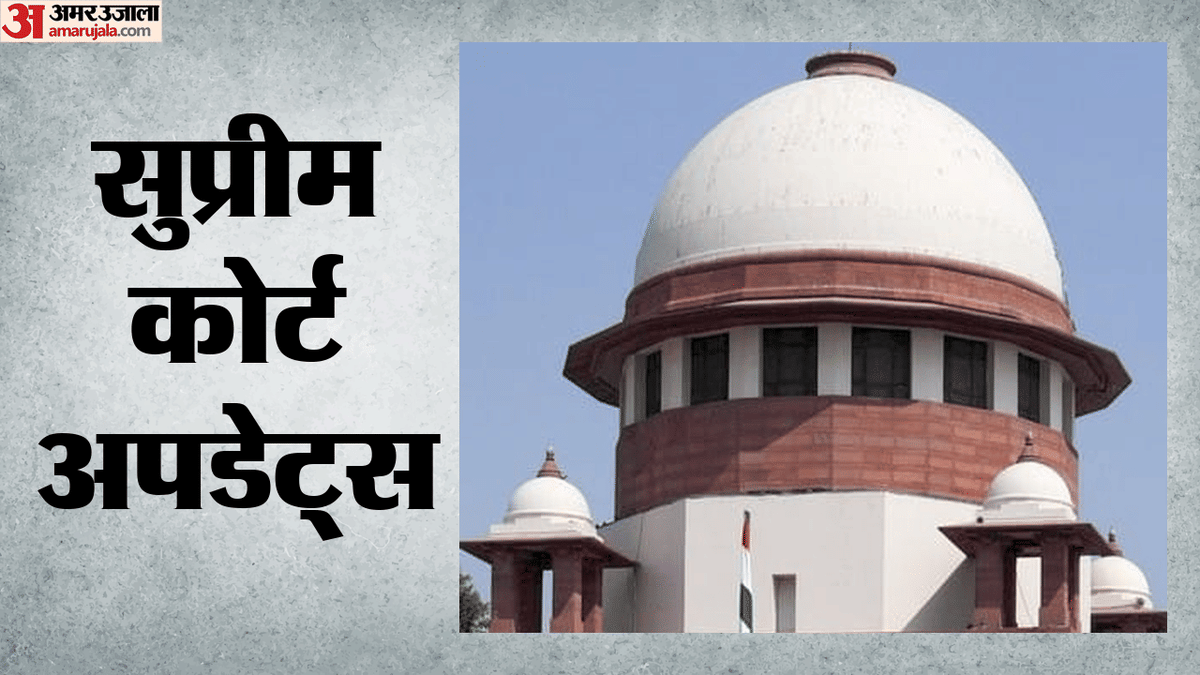
A bench led by Chief Justice Surya Kant heard Tamil Nadu's plea on August 10 seeking immediate release of its share of Cauvery river water from Karnataka, with the court listing the matter for hearing on August 13.
Two Indian states share a river called the Cauvery. When there's not enough rain, Tamil Nadu says Karnataka is keeping more water than its fair share, so it asked the highest court in India to make Karnataka release some. The judges said they will listen to the arguments on August 13.
Analysis
CJI Surya Kant Bench's Listing for August 13
The Supreme Court on Monday agreed to take up Tamil Nadu's petition pressing Karnataka to immediately release its share of the Cauvery river's water. A bench headed by Chief Justice Surya Kant, along with Justice Joymalya Bagchi and Justice V. Mohana, considered the arguments advanced by counsel appearing for the state government. According to the article, the lawyer contended that Tamil Nadu is not receiving its due share of Cauvery water during years of low rainfall. The Chief Justice responded by noting, "We will list it for hearing on Thursday," scheduling the matter for August 13 — providing the court only a narrow window to absorb facts and arguments before any interim direction could issue.
C. Joseph Vijay Government's August 3 Appeal
The petition under examination is the one filed on August 3 by the state administration led by Chief Minister C. Joseph Vijay, the article notes. The state moved the apex court asking it to direct Karnataka to release Tamil Nadu's share of the Cauvery's water without delay. The framing of the plea — relief through the Supreme Court rather than through the Cauvery Water Management Authority or a negotiated settlement — places constitutional adjudication at the centre of the dispute at a moment when reservoir levels in the riparian states are under stress from a weak monsoon. The shift to the top court reflects frustration with the operational mechanisms that were designed to translate the 2018 Cauvery water-sharing scheme into monthly releases.
Low-Rainfall Year Stakes for Tamil Nadu
Tamil Nadu's grievance, as presented to the bench, is structural: in years of deficient rainfall, the state is denied its equitable share. For Tamil Nadu's delta farmers — whose samba paddy crop depends on Cauvery flows arriving in a defined window — even a week's delay in a court order compounds into lost planting cycles. The bench's willingness to fast-track the hearing signals that the court views the question as urgent rather than routine inter-state wrangling. Whatever direction ultimately emerges on August 13 will shape not only this sowing season but the precedent for future deficit years when Karnataka's own reservoir storage competes with Tamil Nadu's distributional claim.
Key points
- Supreme Court bench led by CJI Surya Kant will hear Tamil Nadu's plea on August 13.
- Tamil Nadu asked the court to direct Karnataka to immediately release its share of Cauvery river water.
- Tamil Nadu government, led by C. Joseph Vijay, approached the Supreme Court on August 3.
- Counsel argued Tamil Nadu is not receiving its due share in low-rainfall years.
- The bench comprises Justices Surya Kant, Joymalya Bagchi and V. Mohana.
If the Supreme Court directs Karnataka to release Tamil Nadu's share quickly, farmers in Tamil Nadu's Cauvery delta could complete their sowing cycle on time, easing the immediate agricultural distress caused by monsoon shortfall. A timely order may also reinforce the authority of formal water-sharing mechanisms, lowering the temperature on future inter-state negotiations.
If the court declines interim relief or defers a final decision, samba paddy planting in Tamil Nadu could face delay or shortfall, deepening farmer distress. Adversarial orders may also harden political positions in Karnataka, where resistance to releasing water is strong, raising the prospect of state-level protests or non-compliance frictions.