Surging memory chip prices make profitable budget phones ‘impossible’, analysts say
Budget smartphone makers are struggling to manufacture low-priced handsets profitably due to a 400% surge in memory chip prices. Analysts warn that this market segment is disappearing.
Intelligence analysis by Llama
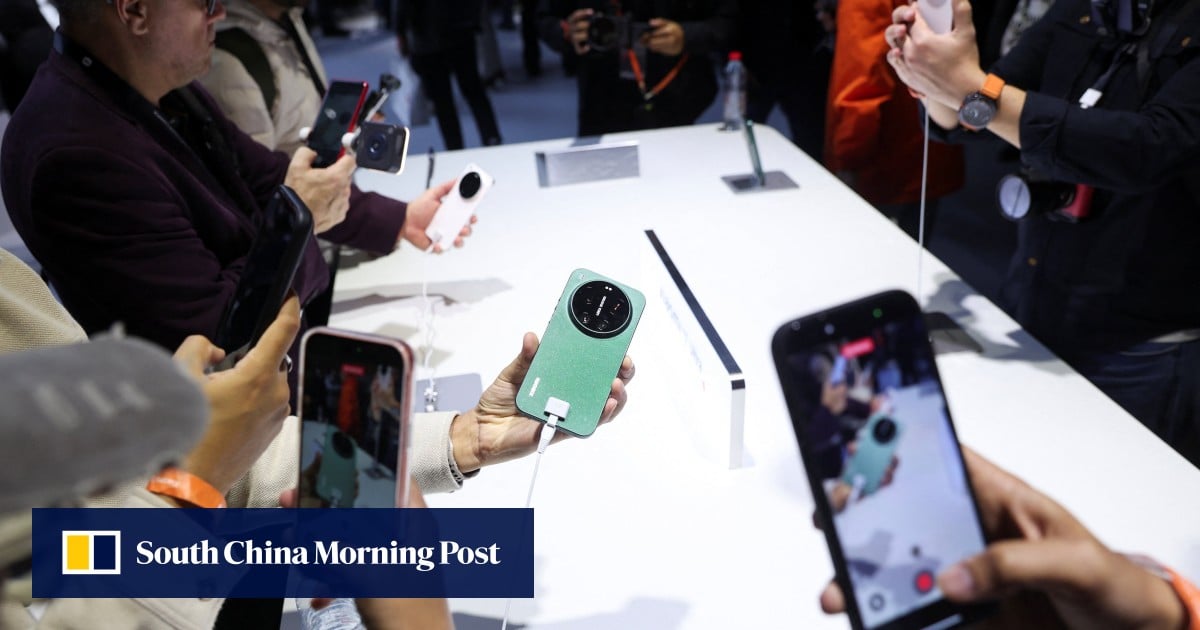
As memory chip prices skyrocket, budget smartphone makers are facing a significant challenge. Analysts predict that the ultra-low-price segment will disappear, with major vendors pivoting to mid-range categories.
Imagine you're trying to build a Lego castle, but the Lego bricks are really expensive and hard to find. That's what's happening with smartphones - the tiny computer chips inside them are getting very expensive, making it hard for companies to make affordable phones. This means that people who want a cheap phone might not be able to find one, and companies might have to make more expensive phones instead.
Analysis
A $60B Vote of Confidence
The memory chip shortage has been a major concern for the tech industry, and its effects are now being felt in the budget smartphone market. Analysts warn that the cost of memory for handsets priced under US$100 is expected to surge 400% in the third quarter of 2026, making it impossible to manufacture these devices profitably. This has significant implications for consumers, who may see a decrease in the availability of affordable smartphones. For manufacturers, the shift away from budget smartphones could lead to a loss of market share and revenue. The current memory prices have already exceeded the total bill of materials for this segment from a year ago, according to Jusy Hong, senior research manager at Omdia. Hong predicts that major smartphone vendors will try to abandon the money-losing segment, pivoting to more value-added products in the mid-range categories. This could drive up average retail prices, making smartphones even less accessible to consumers. However, Hong notes that when memory prices stabilise in another year or two, small players in local markets may revive the ultra-low-price segment. For now, though, 'this market is simply disappearing', Hong said.
Why Cursor?
The memory chip shortage is a complex issue with multiple factors at play. One of the main reasons for the shortage is the increasing demand for memory chips in various industries, including the automotive and consumer electronics sectors. Additionally, the COVID-19 pandemic has disrupted global supply chains, leading to a shortage of raw materials and components. The shortage has been exacerbated by the fact that many memory chip manufacturers have been slow to adapt to the changing market conditions. As a result, the prices of memory chips have skyrocketed, making it difficult for manufacturers to produce affordable smartphones.
The Road Ahead
The impact of the memory chip shortage on the budget smartphone market will be significant. Consumers may see a decrease in the availability of affordable smartphones, while manufacturers may lose market share and revenue. However, the shift away from budget smartphones could also lead to the development of more value-added products in the mid-range categories. This could drive up average retail prices, making smartphones even less accessible to consumers. Nevertheless, the long-term implications of the memory chip shortage are uncertain, and it remains to be seen how the industry will adapt to this new reality.
Key points
- Memory chip prices are expected to surge 400% in the third quarter of 2026, making it impossible to manufacture budget smartphones profitably.
- Major smartphone vendors will try to abandon the money-losing segment and pivot to more value-added products in the mid-range categories.
- The shift away from budget smartphones could lead to a loss of market share and revenue for manufacturers.
- The memory chip shortage is a complex issue with multiple factors at play, including increasing demand and disrupted global supply chains.
In the long term, the memory chip shortage could lead to the development of more efficient and cost-effective memory technologies, making smartphones more affordable for consumers. Additionally, the shift away from budget smartphones could lead to the creation of more value-added products in the mid-range categories, driving innovation and growth in the industry.
The memory chip shortage could lead to a prolonged period of high prices, making it difficult for consumers to access affordable smartphones. Additionally, the shift away from budget smartphones could lead to a loss of market share and revenue for manufacturers, potentially leading to consolidation and job losses in the industry.