Swollen feet during pregnancy: Why it happens and how to ease the discomfort
Swelling in the feet and ankles is a common pregnancy symptom caused by fluid buildup and changes in circulation. An expert explains why it happens and simple ways to ease the discomfort.
Intelligence analysis by Llama
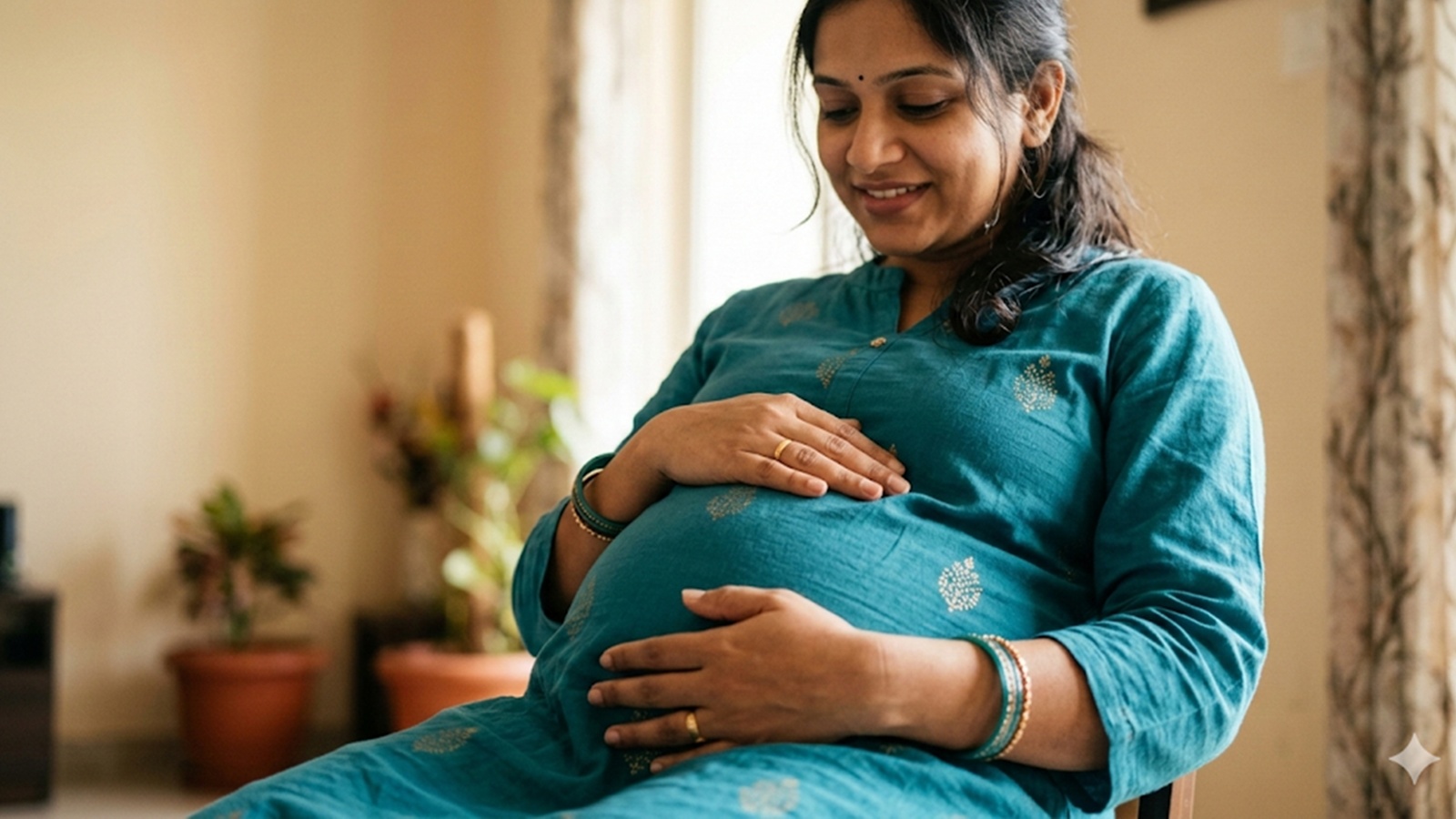
Swollen feet during pregnancy is caused by fluid buildup and changes in circulation. Experts recommend elevating legs, wearing compression socks, and staying hydrated to ease discomfort.
When you're pregnant, your body holds more blood and fluid, which can cause your feet and ankles to swell. This is because your growing uterus puts pressure on the veins in your pelvis and slows down blood circulation from your legs. To ease this discomfort, try elevating your legs, wearing compression socks, and staying hydrated.
Analysis
Fluid Buildup and Circulation Changes During Pregnancy
Swollen feet and ankles are a common pregnancy symptom caused by fluid buildup and changes in circulation. As the body adjusts to support the growing baby, blood volume increases significantly, leading to fluid accumulation in the tissues. This phenomenon is more pronounced in the second and third trimesters, with the enlarging uterus placing pressure on the veins in the pelvis and the inferior vena cava, slowing down blood circulation from the legs and causing fluid to pool in the lower extremities.
Hormonal Changes and Blood Vessel Relaxation
Hormonal changes during pregnancy also play a role in causing fluid buildup in the feet and ankles. Pregnancy hormones cause blood vessels to relax, making fluid leakage into surrounding tissues more likely. This can lead to mild to moderate swelling, particularly later in pregnancy or after long periods of standing.
When to Seek Medical Evaluation
While mild to moderate swelling in the feet and ankles is generally considered normal, sudden or severe swelling, especially if it occurs in the face, hands, or around the eyes, should not be ignored. If swelling is accompanied by symptoms such as severe headache, blurred vision, upper abdominal pain, or high blood pressure, it could indicate preeclampsia, which requires prompt medical attention. Pregnant women should always report any unusual or rapidly worsening swelling to their healthcare provider for proper assessment.
Key points
- Swollen feet and ankles are a common pregnancy symptom caused by fluid buildup and changes in circulation.
- Hormonal changes and blood vessel relaxation contribute to fluid buildup in the feet and ankles.
- Mild to moderate swelling is generally considered normal, but sudden or severe swelling requires medical attention.
- Pregnant women should report any unusual or rapidly worsening swelling to their healthcare provider for proper assessment.
If pregnant women manage their swelling effectively, they can reduce their risk of developing complications such as preeclampsia and blood clots. By following simple habits like elevating their legs, wearing compression socks, and staying hydrated, they can improve their overall health and well-being during pregnancy.
If left untreated, severe swelling in the feet and ankles can lead to complications such as preeclampsia, blood clots, and even organ damage. Pregnant women should always seek medical attention if they experience sudden or severe swelling, especially if it is accompanied by symptoms such as severe headache, blurred vision, or upper abdominal pain.