Syria's First DNA-Based Identifications Offer Hope for Families of the Missing
Syria's first DNA-based identifications have helped establish the fates of missing people, offering hope for families.
Intelligence analysis by Qwen 2.5 (3B)
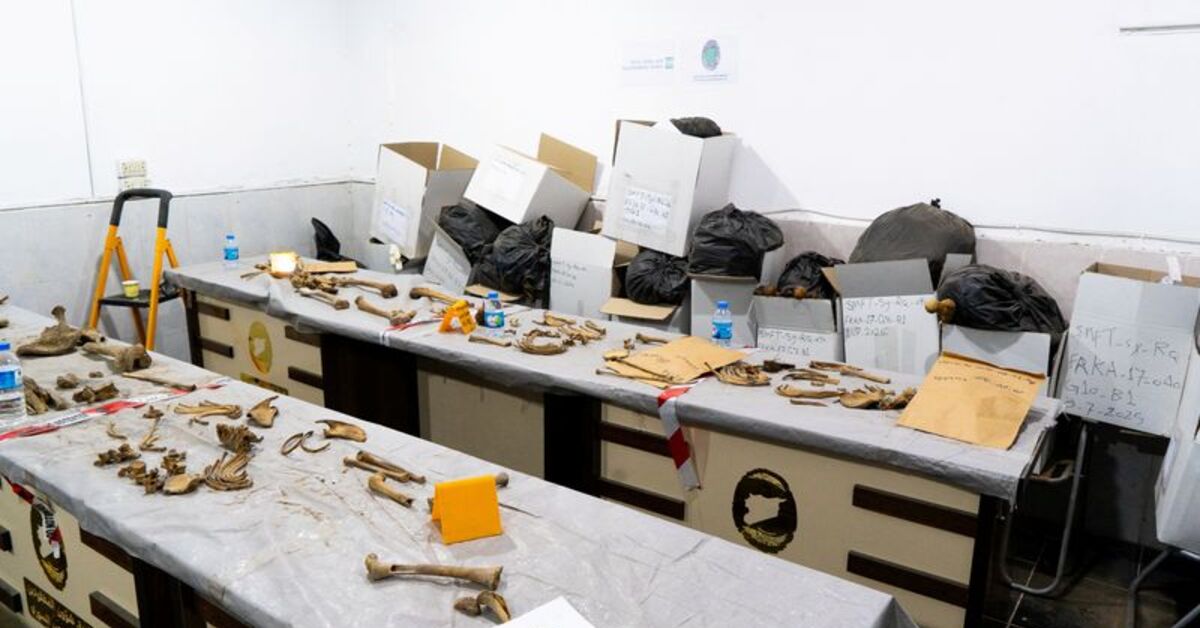
Syria's National Commission for Missing Persons and NGOs have identified remains of missing individuals through DNA analysis, providing answers to families.
Scientists used DNA to find out who the people were in Syria who were missing for a long time. This helps families know what happened to their loved ones.
Analysis
Manar Aliwi's Family
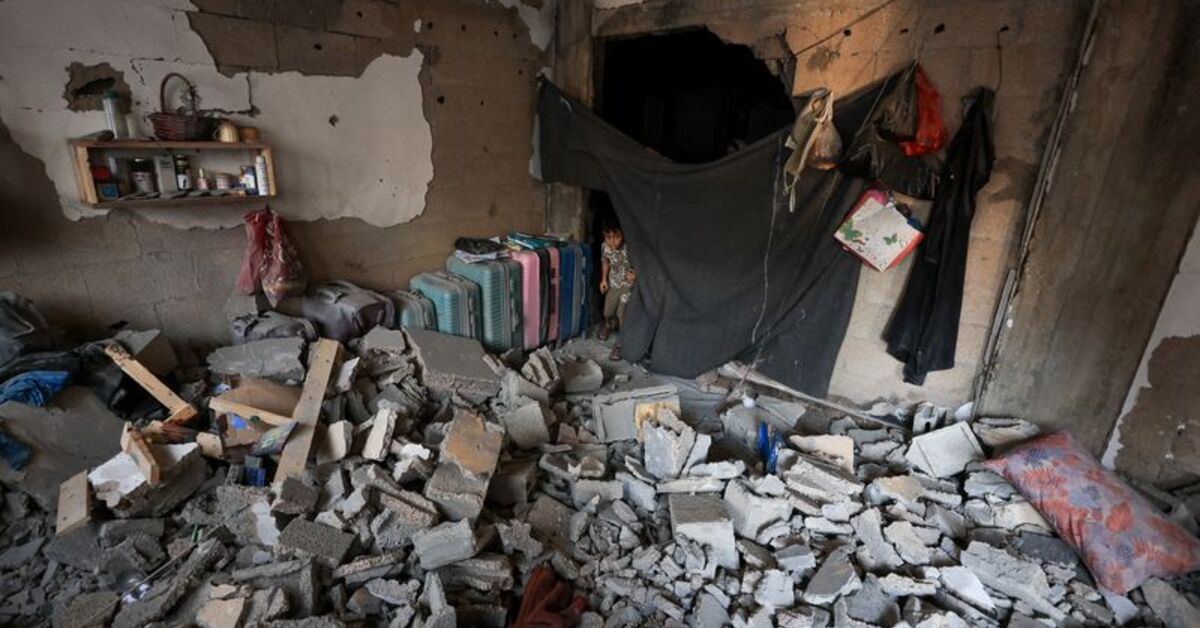
The identification of Manar Aliwi's family offers a possible path towards answers for families across Syria. The family was sheltering from airstrikes in central Raqqa in 2017 when their building was destroyed. Investigators used genetic analysis to confirm the remains belonged to Aliwi, her husband, and their five children.
Collaboration and Hope
The identification work was carried out by independent humanitarian groups and international organizations. The director of the Syrian Missing Persons and Forensic Team, Mohamed al-Abdullah, hopes that this breakthrough will encourage more collaboration between Syrian civil society and international experts.
Challenges and Future
Despite the progress, challenges remain. The commission has collected around 96,000 files and 2,000 samples from human remains. The commission plans to establish DNA laboratories by May 2027 and a second laboratory by May 2028, supported by the European Union.
Key points
- Syria's first DNA-based identifications have helped establish the fates of missing people
- The identification work was carried out by independent humanitarian groups and international organizations
- The commission plans to establish DNA laboratories by May 2027 and a second laboratory by May 2028, supported by the European Union
This breakthrough could provide closure for tens of thousands of missing individuals in Syria, especially those from the civil war and under Assad's rule.
Challenges remain, such as limited access to sites during the war and a shortage of forensic expertise and equipment.