Tai Po fire: corrupt players exploited loopholes in regulations, inquiry hears
An administrative 'honour system' that relied on Hong Kong's private sector to regulate itself created oversight loopholes and left obvious fire hazards at the Wang Fuk Court housing estate unchecked before last year's inferno, legal counsel for an independent committee i…
Intelligence analysis by Llama
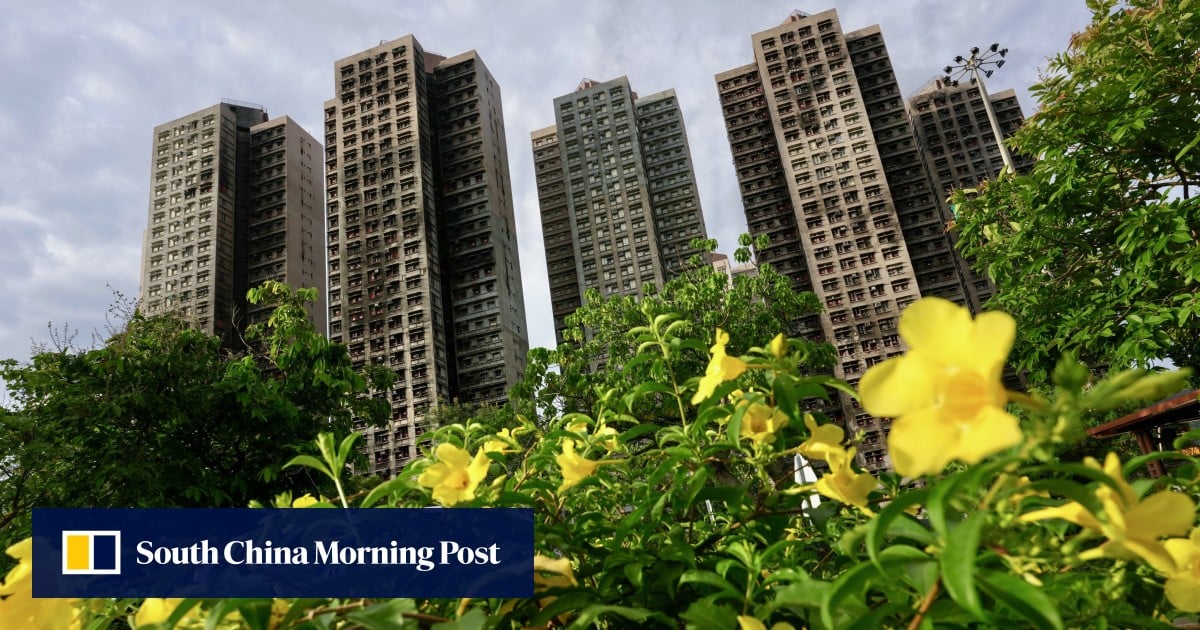
The contractor and consultant behind the estate's HK$336 million renovation project deserve the strongest condemnation for directly contributing to the fire by cutting corners on materials, fabricating certificates and circumventing safety requirements through deceptive means.
Imagine a system where people are trusted to do the right thing, but some people take advantage of that trust and do the wrong thing. That's what happened in the Tai Po fire. The people in charge of the building's renovation didn't follow the rules and made the building very unsafe. This made a big fire happen that hurt many people.
Analysis
A System Built on Trust, Not Regulation
The administrative 'honour system' that relied on Hong Kong's private sector to regulate itself created oversight loopholes and left obvious fire hazards at the Wang Fuk Court housing estate unchecked before last year's inferno. This system, built on the assumption that registered professionals would always discharge their duties in good faith, failed to protect residents from the devastating consequences of corruption and negligence.
The Role of the Contractor and Consultant
The contractor and consultant behind the estate's HK$336 million renovation project deserve the strongest condemnation for directly contributing to the fire by cutting corners on materials, fabricating certificates, and circumventing safety requirements through deceptive means. Their actions not only put the lives of residents at risk but also undermined the trust that the public had placed in the regulatory system.
Government Responsibility
While the government cannot be seen as the instigator of the disaster, it is clear that they bore a share of responsibility for allowing corrupt players to persistently exploit a fragile regulatory framework. The government's failure to ensure that the system was robust enough to prevent such tragedies is a matter of great concern. As the lead counsel noted, 'We're not saying the government is the instigator of it all, but it is very reasonable for residents to expect the system to be able to protect them. Unfortunately, that was not the case in reality.'
Key points
- The administrative 'honour system' created oversight loopholes and left obvious fire hazards unchecked.
- The contractor and consultant behind the estate's renovation project deserve condemnation for contributing to the fire.
- The government bore a share of responsibility for allowing corrupt players to exploit the regulatory framework.
If the government takes responsibility for the regulatory failures and implements robust measures to prevent such tragedies in the future, it could lead to a safer and more trustworthy environment for residents.
If the government fails to address the regulatory loopholes and corruption, it could lead to more devastating consequences, including loss of life and property.