Tanezrouft, the Desert Penitentiary Where Abdelmadjid Tebboune Wants to Send Algerian Drug Traffickers
Algerian President Abdelmadjid Tebboune is proposing severe new measures against drug traffickers, including sending them to the remote desert penitentiary of Tanezrouft, as the country grapples with a surge in psychotropic drug abuse.
Intelligence analysis by Gemini 2.5 Flash
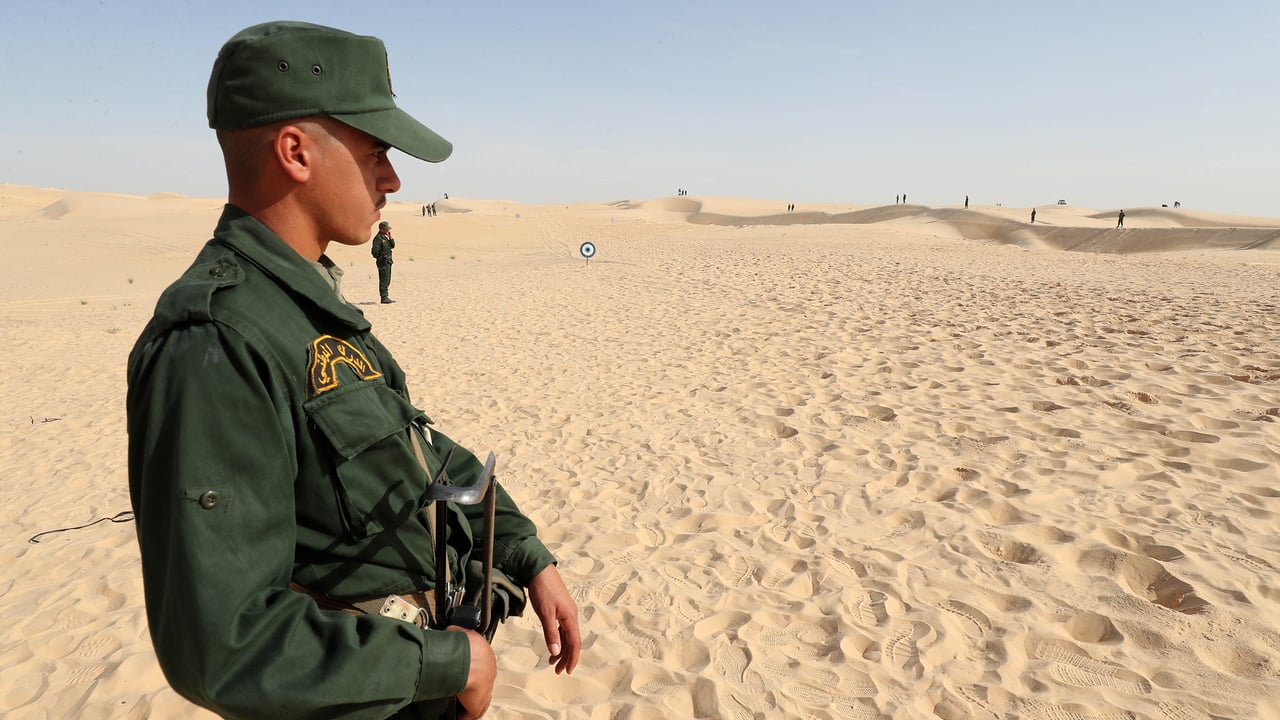
Faced with a growing crisis of psychotropic drug proliferation and related incidents, Algerian President Abdelmadjid Tebboune has announced a toughening of penalties, including the death penalty for arsonists and the controversial plan to incarcerate drug traffickers in the harsh desert prison of Tanezrouft. This move signals a significant escalation in Algeria's fight against crime.
Imagine a big country called Algeria is having a tough time with bad guys selling special pills that make people sick. The country's leader, President Tebboune, is really worried. So, he wants to send these pill sellers to a super-duper strict prison far away in the middle of a hot, empty desert called Tanezrouft, almost like a timeout that lasts a very, very long time, to stop them from causing more trouble.
Analysis
Tanezrouft
Algerian President Abdelmadjid Tebboune has unveiled a stringent new approach to combating drug trafficking, proposing the remote desert region of Tanezrouft as a designated penitentiary for convicted traffickers. This move is part of a broader crackdown that also includes the reintroduction of the death penalty for arsonists, signaling a significant hardening of the state's stance on serious crimes. The choice of Tanezrouft, a desolate and isolated area, aims to create a formidable deterrent, drawing parallels to some of the world's most feared prisons like Guantanamo or ADX Florence, known for their harsh conditions and isolation.
The intent behind establishing such a severe penal colony is to send an unequivocal message to criminal networks that Algeria will not tolerate the proliferation of narcotics. This policy reflects a deep concern within the Algerian government regarding the societal decay attributed to drug abuse. The proposed measure seeks to physically remove and isolate those involved in drug trafficking, thereby disrupting their networks and preventing further influence within the general prison population.
Psychotropic Proliferation
Algeria is currently grappling with an alarming surge in the abuse and trafficking of psychotropic drugs, which are increasingly permeating all levels of society, including schoolyards. The article cites staggering statistics, including the seizure of over 44 million pills in 2025 and tragic incidents like 28 fatalities in a bus accident caused by a drugged driver. This widespread availability and consumption of substances like "Saroukh," "El Hamra," and "Madame Courage" are seen as a grave threat to the nation's social fabric and public health.
The government's intensified efforts, including President Tebboune's drastic proposals, underscore the severity of this public health and security crisis. The measures are a direct response to the perceived failure of existing penalties to curb the drug trade effectively. By targeting traffickers with extreme punishment and isolation, Algerian authorities hope to dismantle the supply chains and reduce the availability of these harmful substances, thereby protecting vulnerable populations.
DZ Mafia
The article also touches upon the emergence of criminal organizations with Algerian links, such as the "DZ Mafia," which has gained notoriety for its activities in Marseille, France, since 2019. This group, whose name directly references Algeria, has been implicated in narco-murders and has seen 28 alleged members arrested. The mention of the DZ Mafia highlights the transnational nature of drug trafficking, with Algeria serving not only as a consumer market but also as a transit country.
The connection to the DZ Mafia underscores the complexity of the drug problem, which extends beyond Algeria's borders and involves international criminal networks. The article notes that Niger, bordering Mali, Algeria, and Libya, remains a crucial transit hub for drugs moving from West African ports to European markets. This regional context suggests that Algeria's fight against drug trafficking requires not only internal crackdowns but also enhanced international cooperation to disrupt these sophisticated cross-border operations.
Key points
- Algerian President Abdelmadjid Tebboune proposes sending drug traffickers to the remote Tanezrouft desert penitentiary.
- The measures are part of a broader crackdown that also includes the death penalty for arsonists.
- Algeria faces a severe crisis of psychotropic drug proliferation, with millions of pills seized and tragic incidents linked to drug abuse.
- The "DZ Mafia," a criminal organization with Algerian ties, is active in Marseille and involved in narco-murders.
- Niger is identified as a key transit country for drugs moving through the region to European markets.
If President Tebboune's harsh measures prove effective, they could significantly disrupt drug trafficking networks within Algeria, leading to a reduction in the availability of psychotropic drugs and a decrease in related societal problems. This could improve public health and safety, particularly for younger generations, and potentially deter future involvement in drug-related crimes.
The proposed extreme penalties, including the use of a remote desert penitentiary, could face criticism regarding human rights and may not address the root causes of drug abuse and trafficking. Such measures might also lead to an overburdened justice system, potential for abuse, and could push criminal activities further underground without truly solving the underlying societal issues.