Tarek El-Telmisany: The Suffering of Losing Sight After a Distinguished Cinematic Career
Esteemed Egyptian cinematographer and actor Tarek El-Telmisany has completely lost his sight due to chronic health complications, leading him to withdraw from the public eye.
Intelligence analysis by Gemini 2.5 Flash
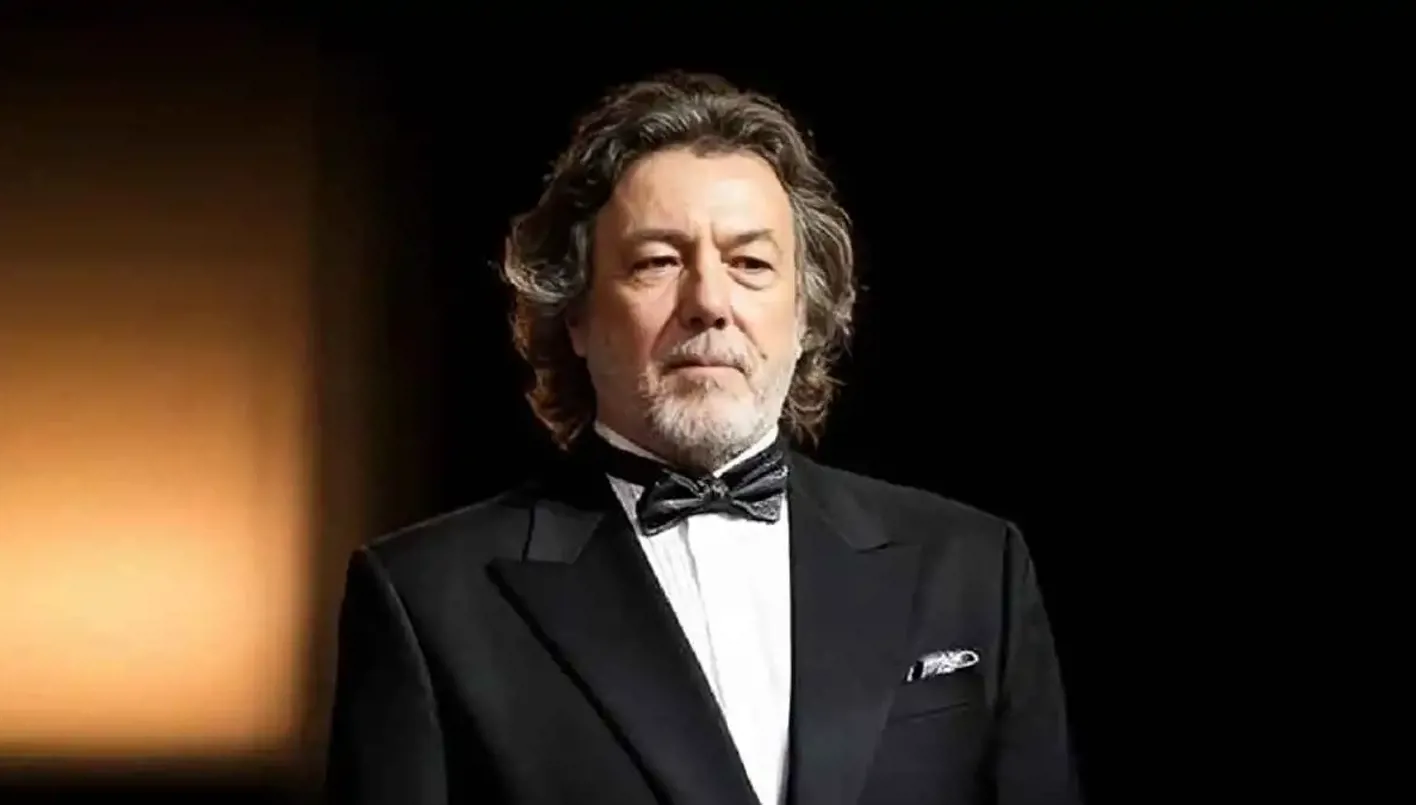
The Egyptian artistic community is expressing deep sadness over the complete loss of sight by veteran cinematographer and actor Tarek El-Telmisany, a consequence of long-standing diabetes and high blood pressure. Known for his pioneering work in "New Realism" cinema and his diverse talents as a director and actor, El-Telmisany has chosen to retreat into private isolation to cope with …
Imagine a super talented artist who used to paint amazing pictures with light and shadows for movies, and also acted in them. Now, because of some health problems, his eyes can't see anymore, like a camera that can't take pictures. He's very sad and has decided to stay home quietly to remember all the beautiful things he saw and created.
Analysis
A Visionary's Unseen Struggle
Tarek El-Telmisany, a name synonymous with visual artistry in Egyptian cinema, is currently navigating a profound personal crisis: the complete loss of his sight. This devastating development stems from years of battling chronic health issues, specifically diabetes and high blood pressure, which led to a severe and gradual deterioration of his retina. For an artist whose life's work revolved around the intricate interplay of light and shadow, this loss represents not just a physical ailment but a fundamental severance from his primary mode of expression and passion. The article emphasizes the deep sadness and sympathy within the Egyptian artistic community, reflecting the significant impact El-Telmisany has had on his peers and the industry at large. His struggle underscores the fragility of health, even for those at the pinnacle of their creative fields.
A Legacy Beyond the Lens
El-Telmisany's career is marked by remarkable versatility, distinguishing him as a cinematographer, actor, director, and writer. As a cinematographer, he was a key figure in Egypt's "New Realism" movement, celebrated for his poetic manipulation of light and shadow to imbue films like "Araq El Balah" and "Ayam El Sadat" with profound visual depth. His collaborations with legendary directors such as Mohamed Khan and Salah Abu Seif cemented his status as a master behind the camera. His imprint extended to modern classics such as "El Mowaten Masry," "Ice Cream in Gleem," and "El Ra'i wal Nisaa."
In front of the camera, his aristocratic features and resonant voice lent a unique elegance to his acting roles, notably as the cultured father in "El Selem wal Tho'ban" and his performance in "Awqat Faragh." Beyond these roles, his ambition extended to writing, directing, and producing his own film, "Dahk wa La'ab wa Gad wa Hob," a nostalgic tribute to 1950s and 60s Egypt, featuring international stars like Omar Sharif and Amr Diab. This multifaceted career highlights his comprehensive artistic vision and enduring influence on Arab cinema.
Retreat into Reflection
The article reveals that El-Telmisany's health crisis has not only been physical but also deeply psychological. Faced with the inability to continue his life's work, he has made the difficult decision to withdraw from the public eye and decline visits from colleagues. This voluntary isolation, as described by sources close to his family, is a period of quiet reflection, allowing him to process his loss and "reorganize his visual memories." This retreat signifies a poignant end to an active public career, but also perhaps a necessary step for an artist to reconcile with a reality that has fundamentally altered his interaction with the world he once so vividly captured. His choice to seek solace in his private world, surrounded by intensive medical and nursing care, speaks to the profound personal toll of such a life-altering condition.
Key points
- Egyptian cinematographer and actor Tarek El-Telmisany has completely lost his sight.
- The vision loss is due to chronic health complications, including diabetes and high blood pressure.
- El-Telmisany was a pioneer of "New Realism" in Egyptian cinema, known for his work behind the camera.
- He also had a distinguished acting career and directed/wrote a film featuring Omar Sharif and Amr Diab.
- He has chosen to withdraw from the public and artistic scene to cope with his condition.
While the article focuses on the tragic loss of sight, El-Telmisany's rich legacy as a cinematographer, actor, and director will continue to inspire future generations of Arab filmmakers and artists. His extensive body of work ensures his artistic contributions remain a vital part of cinematic history, offering a lasting positive impact despite his current personal struggle.
The complete loss of sight for a visual artist like El-Telmisany represents a profound and irreversible personal and professional tragedy, effectively ending his active career in a field where vision is paramount. His decision to withdraw into isolation highlights the severe psychological toll of such a condition, suggesting a difficult and challenging future for him.