Tata Trusts propose merging 2 firms with Tata Sons to avoid RBI listing mandate
Tata Trusts, holding a 66% stake in Tata Sons, has proposed merging two operating companies, TESS and TCE, with the holding company to avoid the RBI's listing mandate for upper-layer NBFCs and core investment companies.
Intelligence analysis by Gemini 2.5 Flash
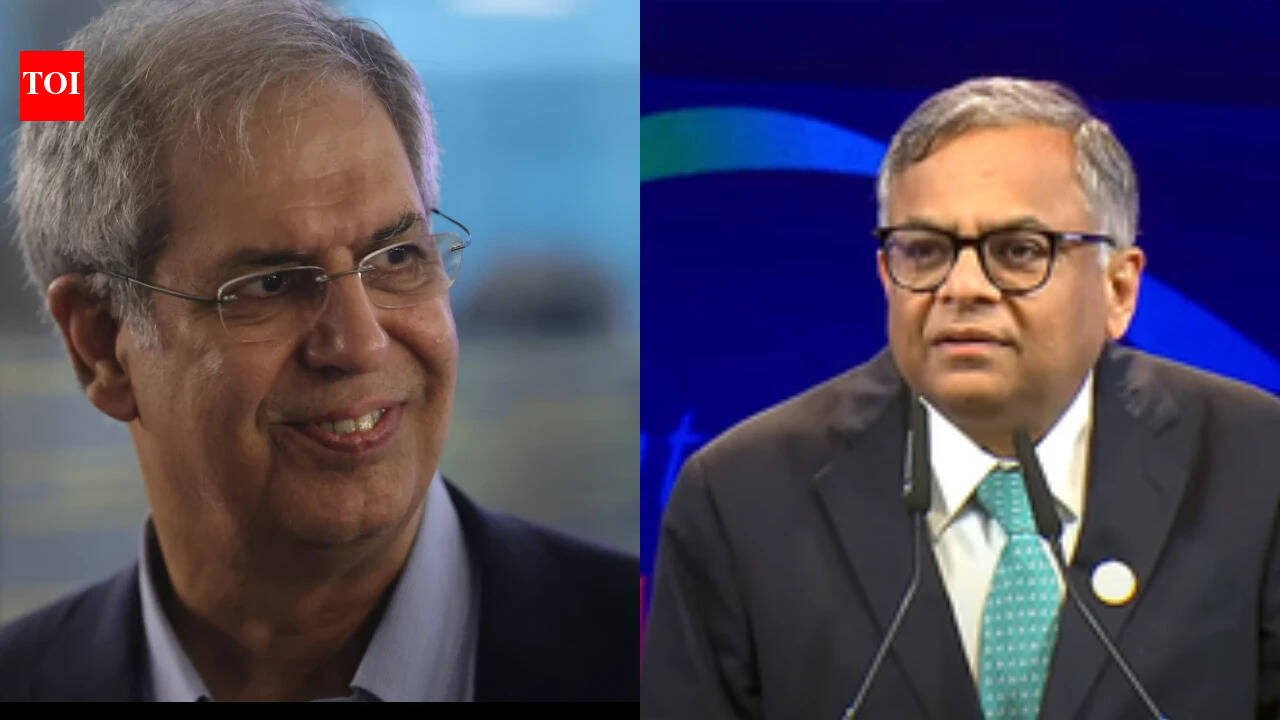
The strategic reorganization aims to alter Tata Sons' income and asset composition, ensuring it no longer meets the regulatory criteria that would necessitate a public listing. This move comes amidst an ongoing dispute between Tata Trusts and the Tata Sons board regarding the holding company's future listing status.
Imagine a giant family company, Tata Sons, that owns lots of other businesses. The government's money police, the RBI, said that because Tata Sons mostly makes money by investing in its own companies, it's like a special bank and needs to show all its money to everyone by listing on the stock market. But the family doesn't want to do that. So, they're trying to merge two of their actual working businesses directly into Tata Sons. This way, Tata Sons will make more money from running businesses and less from just investing, hoping the money police will say it's not a special bank anymore and doesn't have to go public.
Analysis
Tata Trusts
Tata Trusts, the majority shareholder with a substantial 66 per cent stake in Tata Sons Private Limited (TSPL), has initiated a significant strategic reorganization plan. This proposal is a direct response to the Reserve Bank of India's classification of Tata Sons as an upper-layer Non-Banking Financial Company (NBFC), which mandates a public listing. The Trusts have consistently opposed a public listing, resolving in July 2025 that all efforts should be made to retain Tata Sons as an unlisted private company.
The proposed merger of Tata Electronics Systems Solutions Pvt Ltd (TESS) and Tata Consulting Engineers (TCE) with Tata Sons is designed to fundamentally change the holding company's financial profile. By integrating operating businesses and their revenues directly into Tata Sons, the Trusts aim to shift the composition of its income and assets. This restructuring is intended to ensure that Tata Sons no longer meets the regulatory thresholds for either an NBFC or a Core Investment Company (CIC), thereby circumventing the listing requirement.
RBI Classification
The Reserve Bank of India (RBI) classified Tata Sons as an upper-layer NBFC in 2022, a designation that carries stringent additional regulatory requirements, including a mandatory stock-market listing. Tata Sons had previously sought an exemption from this framework, but the RBI rejected this request in September, leaving the company with the imminent prospect of a public listing. This regulatory pressure is the primary catalyst for the Trusts' current proposal.
The proposed restructuring is a direct attempt to address the RBI's mandate by altering the very nature of Tata Sons' business. The Trusts' statement indicates that, based on March 31, 2026 figures, the reorganized entity would have operating revenue of Rs 1,05,043 crore, constituting 64.3 per cent of its total income. Furthermore, investments in Tata Group companies would account for less than 90 per cent of its net assets, specifically Rs 1,77,120 crore out of Rs 2,00,158 crore. These changes are critical to ensuring Tata Sons falls outside the RBI's definitions for NBFCs and CICs, requiring the surrender of its certificate of registration as a CIC.
N Chandrasekaran
The latest proposal from Tata Trusts is set against a backdrop of broader disagreements concerning the future governance and leadership of Tata Sons. The Trusts, chaired by Noel Tata since October 2024, have maintained a firm stance against listing the holding company. This issue has become intertwined with the tenure of N Chandrasekaran, who has served as Tata Sons chairman since 2017.
Initially, Chandrasekaran had received backing from the Trusts for a third five-year term. However, differences subsequently emerged over several key issues, including the future ownership structure and the listing status of Tata Sons. The internal dispute, as noted in the article, has also affected the leadership dynamics, with Noel Tata reportedly opposing the board's decision to grant Chandrasekaran another five-year term. The outcome of this proposal could therefore have significant implications not only for Tata Sons' regulatory status but also for its executive leadership and internal power dynamics.
Key points
- Tata Trusts proposes merging Tata Electronics Systems Solutions Pvt Ltd (TESS) and Tata Consulting Engineers (TCE) with Tata Sons.
- The move aims to change Tata Sons' financial profile to avoid the RBI's mandatory listing requirement for upper-layer NBFCs and CICs.
- Tata Sons was classified as an upper-layer NBFC in 2022, and its request for exemption was rejected by the RBI in September.
- The Trusts, holding a 66% stake, have consistently opposed a public listing for Tata Sons.
- The proposal is linked to a broader disagreement between Tata Trusts and the Tata Sons board, including issues related to chairman N Chandrasekaran's tenure.
If the proposed merger is approved by the Tata Sons board and the RBI, Tata Sons could successfully avoid the mandatory public listing, preserving its long-standing private ownership structure. This would allow the conglomerate to maintain its current governance model and potentially avoid the complexities and compliance costs associated with being a publicly listed entity.
The proposal faces potential hurdles, including the need for approval from the Tata Sons board, which is currently in disagreement with the Trusts over the listing issue, and a prior no-objection certificate from the RBI. Should these approvals not be secured, Tata Sons would still be compelled to list, potentially escalating internal disputes and forcing a significant shift in its operational and ownership philosophy.