Tate & Lyle: Does Planned Ingredion Takeover Represent A 10% Arbitrage Opportunity?
The article argues Tate & Lyle still trades below Ingredion's takeover terms, leaving a possible 7% to 10% arbitrage gain if the deal closes.
Intelligence analysis by GPT-5.4 Mini
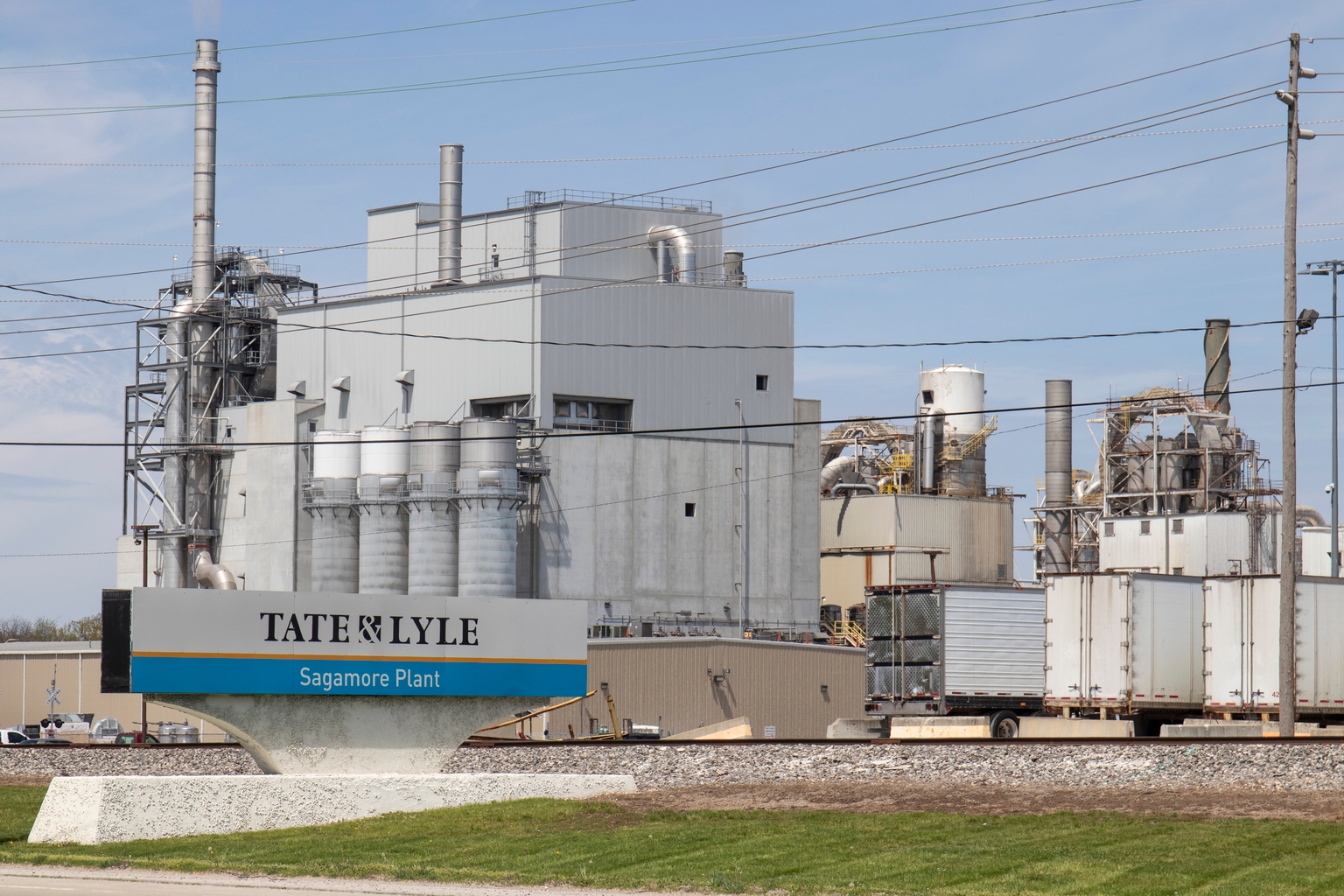
The piece frames Tate & Lyle as a merger-arbitrage trade: Ingredion has put forward a recommended cash offer, but the market has not fully priced it in. The author says the spread could offer a mid-single-digit to low-double-digit annualized return if the transaction completes on schedule.
This is like finding a store item that will be bought for $10 soon, but it still sells for $9 today. If the deal happens, the buyer gets the extra dollar, but if the deal gets delayed or blocked, that extra money may never show up.
Analysis
What the deal is
The article says Ingredion has agreed to buy Tate & Lyle in a recommended takeover. The offer is described as £5.95 per share in cash, plus up to 20p in dividends, which would put the total value around £6.15 per share if the dividend is paid as expected.
Why the author sees an arbitrage setup
The central argument is that Tate & Lyle shares are still trading below the implied offer value. Because the market price has not fully converged to the deal price, the article treats the gap as a possible merger-arbitrage opportunity rather than a simple directional stock bet. On the article's numbers, that gap could translate into roughly 7% to 10% upside from current prices, with an annualized return of about 6.5% to 10% depending on when the transaction closes and whether the dividend is included.
What could go wrong
The article says the main risks are a possible antitrust problem or a financing issue for Ingredion. It also notes that both boards support the transaction and that sector consolidation trends make the deal more plausible. Ingredion's funding plan is described as using existing cash, new debt financing, and a bridge facility, which the author presents as a workable structure.
Bottom line
This is presented as a deal-driven trade, not a long-term thesis on either company. The upside depends on the takeover closing as expected, while the remaining spread reflects the market's view of closing risk and timing.
Key points
- Ingredion has agreed to buy Tate & Lyle in a recommended takeover.
- The article says the offer is £5.95 per share in cash, plus up to 20p in dividends.
- Tate & Lyle still trades below the implied deal value, creating a possible merger-arbitrage spread.
- The author estimates about 7% to 10% upside, or 6.5% to 10% annualized depending on timing.
- Key risks include antitrust issues and possible financing problems for Ingredion.
If the takeover closes as planned, Tate & Lyle shareholders receive the cash offer and any expected dividend, which could produce the spread the article highlights. The author says the deal could deliver a 7% to 10% gain from current prices, depending on timing. The article also notes that both boards support the transaction and that sector consolidation trends favor the deal's logic, which could help it move through to completion.
The main downside is that antitrust review could slow or block the transaction, preventing the share price from converging to the offer value. A financing disruption at Ingredion is another risk mentioned, even if the article treats it as less likely. If closing takes longer than expected, the annualized return would fall even if the deal ultimately succeeds, which weakens the appeal of the arbitrage trade.