Tax-break trees: how woodland became a store of wealth for the rich
A legal battle over a Scottish border woodland shows how commercial forests have become a tax shelter for wealthy families, while campaigners warn of habitat loss.
Intelligence analysis by GPT-5.4 Mini
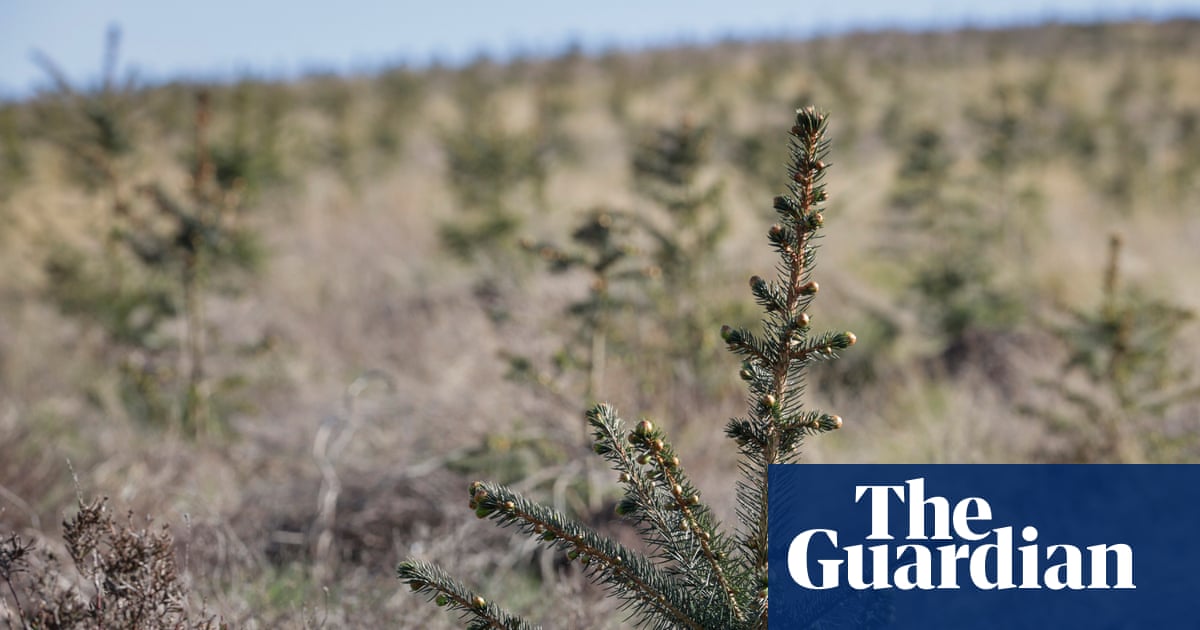
The Guardian reports that land like Todrig and Stobo Hope is being bought and replanted as commercial forestry because woodland can deliver inheritance-tax relief and other tax advantages. Campaigners say the model raises land prices and threatens rare habitats and wildlife.
Some rich people are buying land and planting fast-growing trees because the tax bill can get much smaller. It is like using a garden not just to grow plants, but to hide money in a place the tax rules like.
Analysis
What is happening
On the English-Scottish border, a small butterfly has become an obstacle to a much larger trend: wealthy investors buying land and turning it into commercial forest. The article focuses on Todrig, a large stretch of moorland and habitat that campaigners say could be cleared and replanted with commercial trees for timber production. A legal challenge over the northern brown argus butterfly forced more checks, at least for now, on one of the plantation plans.
Why investors want woodland
The piece argues that woodland has become attractive not only as land, but as a tax strategy. Commercial forests can qualify for business property relief after two years of ownership, and growing timber is not subject to income or corporation tax in the same way many other assets are. The result, according to the article, is that wealthy families can reduce inheritance tax bills by putting money into woodland.
The market effects
The article says woodland values have roughly doubled over the past decade, helped by tax treatment and demand from rich buyers. It also points to institutional players such as Gresham House and True North Real Asset Partners, which are managing or acquiring land for commercial forestry. Campaigners warn that this inflates prices, makes land harder for local farmers to keep, and concentrates control in the hands of large asset managers.
The environmental trade-off
Supporters of commercial spruce planting say it can capture carbon efficiently and turn over timber faster than native woodland. Critics counter that monoculture plantations replace meadows and grassland, fragment habitats, and leave less space for wildlife. The article presents the woodland boom as a clash between financial engineering, climate claims, and nature protection.
Key points
- A legal challenge over the northern brown argus butterfly delayed a commercial forestry plan at Todrig.
- The article says woodland can qualify for inheritance-tax relief after two years of ownership.
- Campaigners argue that commercial plantations replace biodiverse grassland with monoculture tree blocks.
- Industry demand has pushed up woodland values and attracted wealthy families and institutional investors.
- Supporters say Sitka spruce can capture carbon efficiently and produce timber faster than native woodland.
If commercial forestry is managed carefully, the article suggests it can produce timber and capture carbon efficiently. Better checks could also make it possible to pursue those benefits without wiping out the habitats that campaigners want protected.
If the tax break keeps drawing wealthy buyers, more land may be cleared for large plantations and fewer rare habitats may survive. The article warns that higher prices can also push out local buyers and make it harder to challenge how the land is managed.