Tech Odyssey Series: From Portugal to China, a New Conversation Begins
Portugal's trade and investment agency, AICEP, is fostering technology cooperation with China through its 'Tech Odyssey' series, aiming to connect Portuguese startups with the Chinese market and attract Chinese investment.
Intelligence analysis by Gemini 2.5 Flash
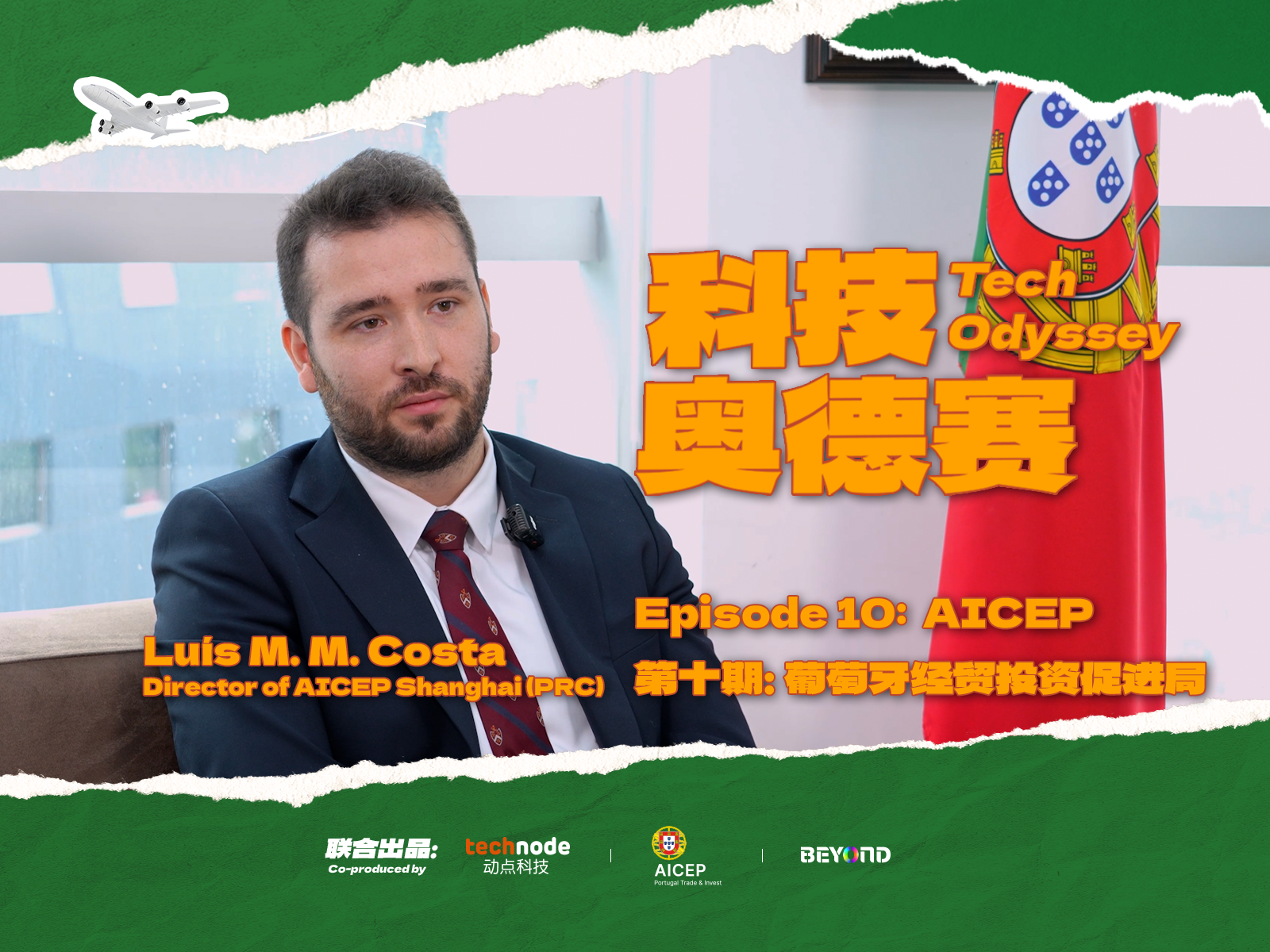
The 'Tech Odyssey' series, co-produced by AICEP, highlights Portugal's emerging tech sector to international audiences, particularly in Asia, while also educating Portuguese founders about opportunities in China. The initiative seeks to build confidence and facilitate cross-border business relationships in technology.
Imagine Portugal, a country known for its yummy food and beautiful beaches, also has lots of clever people making cool new tech stuff. A special agency called AICEP is like a friendly guide, helping these Portuguese tech companies find friends and customers in big countries like China. They also invite Chinese companies to come and build things in Portugal. It's like setting up a giant playdate so everyone can share their best toys and ideas, making both countries stronger and smarter together.
Analysis
The 'Tech Odyssey' series serves as a strategic initiative to bridge the technological landscapes of Portugal and China, fostering a new era of collaboration and investment. Co-produced by AICEP, Portugal's public trade and investment agency, the series aims to showcase Portugal's burgeoning tech sector to a global audience, particularly in Asia, while simultaneously introducing Portuguese companies to the vast opportunities within the Chinese market. This dual approach underscores a broader effort to diversify Portugal's economic profile beyond traditional industries and position it as a hub for innovation.
AICEP
AICEP, operating under Portugal's Ministry of Economy, plays a pivotal role in this international outreach. Its mandate involves both assisting Portuguese companies in their global expansion efforts and attracting foreign investment into Portugal. For its Shanghai team, led by Luís Costa, this translates into actively supporting Portuguese businesses exploring China and engaging Chinese companies interested in investing or establishing production facilities in Portugal. A core aspect of AICEP's work is building confidence, presenting Portugal as a reliable and attractive destination for business. This requires more than just a national introduction; it necessitates providing deep market understanding and facilitating crucial connections for companies navigating new commercial environments.
Francisco Catalão, a former AICEP board member, emphasized the value of the agency's extensive overseas network, which spans over 50 markets. These local teams act as essential points of contact, offering expertise on commercial environments and helping companies forge partnerships. For instance, a Portuguese business eyeing Shanghai can leverage Costa's team for insights and introductions. Catalão highlighted that while a company might have an export-ready product, understanding market operations and finding the right partners demands a distinct kind of preparation, which AICEP's local expertise provides. This network is crucial for translating product readiness into successful international market entry.
Luís Costa
Luís Costa, director of AICEP Shanghai and Portugal’s Economic and Commercial Counsellor in China, views the 'Tech Odyssey' series as a vital tool for broadening the international perception of Portugal. Beyond its renowned wine, food, and traditional industries, Costa aims to spotlight Portugal's dynamic technology companies, universities supporting startups, and institutions facilitating market entry for new ideas. He observed a distinctive characteristic among Portuguese startups: an early international mindset, with founders considering overseas customers, partners, and capital sources almost from their inception. This proactive approach to global expansion is integrated into their company-building strategy, rather than being a later-stage decision.
Costa specifically identified medical and health technology as a sector ripe for Chinese investment and partnerships, citing Portugal's strong engineering talent, robust university network, and research capabilities. He also pointed to various incentives available for companies willing to invest and produce in the country, personally seeing health tech as a significant opportunity for Chinese enterprises. Furthermore, the conversation with Dr. Gang Lu, TechNode's CEO, revealed a surprising number of Portuguese businesses engaged in hardware development and related technologies. Costa acknowledged the potential for exploring partnerships in this area, recognizing that while the pace of business might differ from places like Shenzhen, shared commercial interests can still be found. AICEP's practical role then becomes identifying these potential partners and nurturing initial discussions.
Francisco Catalão
Francisco Catalão provided a broader economic context for Portugal's tech ambitions, situating these innovative businesses within an economy that successfully blends established export industries with burgeoning areas of research and development. Alongside traditional sectors like agriculture, wine, and food, he highlighted the growing importance of pharmaceuticals, biotechnology, and the blue economy, which encompasses ocean-related technologies. The 'Tech Odyssey' series vividly illustrated this diversity through visits to companies specializing in spatial audio, smart urban infrastructure, rehabilitation equipment, and environmental monitoring. These examples collectively offered a comprehensive view of the technological innovations emerging from Portugal and their intended global markets.
Catalão's insights underscore the strategic importance of AICEP's overseas network in facilitating this internationalization. He explained that while companies might possess innovative products, navigating the complexities of foreign markets requires specialized local knowledge and connections. The network's representatives provide this critical support, acting as trusted guides for Portuguese businesses venturing abroad. For Chinese companies considering production in Europe, Catalão's perspective, combined with Costa's pitch, emphasizes Portugal's strategic location with connections to other European markets, the Americas, and Africa, alongside its high share of renewable electricity generation and openness to foreign investment. This holistic approach aims to make a compelling case for Portugal as a gateway for international tech collaboration.
Key points
- AICEP, Portugal's trade and investment agency, co-produced the 'Tech Odyssey' series to promote tech cooperation with China.
- The series aims to showcase Portugal's tech sector to international audiences and introduce Portuguese founders to the Chinese market.
- AICEP's global network, spanning over 50 markets, provides local expertise and connections for companies expanding internationally.
- Portugal's startups are characterized by an early international mindset, integrating global expansion into their core strategy.
- Key sectors identified for potential China-Portugal collaboration include medical and health technology, and hardware development.
The 'Tech Odyssey' series and AICEP's efforts could significantly boost Portugal's tech sector, attracting crucial foreign investment and opening new markets for its innovative startups. This collaboration could lead to advanced technological exchanges, particularly in health tech and hardware, benefiting both Portuguese and Chinese economies.
Despite AICEP's efforts, cultural and business practice differences between Portugal and China could hinder the pace and scale of desired collaborations. Potential investors might also find the market less mature or the regulatory environment more challenging than anticipated, limiting the overall impact of these initiatives.