Technology can make worksites safer, but good practices remain key: Industry players
Companies are using technology to improve safety at work, but industry players say it is only effective when backed by strong safety practices, clear procedures, and human oversight.
Intelligence analysis by Llama
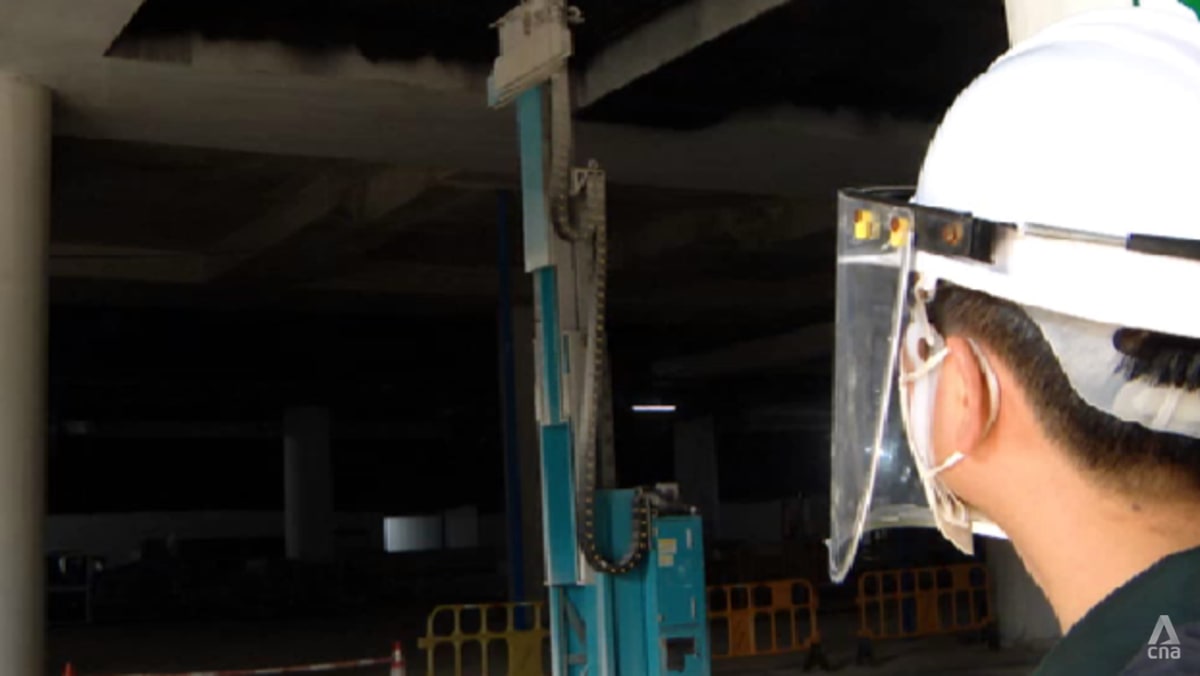
Technology can make worksites safer, but good practices remain key, say industry players. Innovations include cooling garments and software that detects unsafe practices in real-time.
Companies are using technology to make workplaces safer, but they also need to follow good safety practices and have people in charge to make sure everything runs smoothly.
Analysis
Technology Complements Safety Culture
At the upcoming NS Square in Marina Bay, a robot is being used for a routine task – spray-painting. It delivers a more consistent finish while reducing the amount of manual work required, helping to make the construction site both more efficient and safer. The project’s leaders say technology is only one part of the equation. Regular oversight and consistent safety standards remain vital.
"We have monthly committee meetings. We insist that the bosses, the subcontractors, come on a quarterly basis to the site to understand (it) and the conditions their teams are facing," said Mr Murray Dundas, Expand Construction's executive director and project director for NS Square.
The site is also trialling garments fitted with cooling gel that helps workers cope with rising temperatures. Activated by water or sweat, the gel helps lower body temperature and reduce heat stress. According to Expand Construction, field trials found that the garments – which include singlets and arm sleeves – lowered surface temperature by about 4°C and were well received by workers.
Automation with Safety in Mind
At Tuas Port, software powered by machine learning helps identify unsafe workplace practices before they lead to accidents. The system sends real-time alerts, allowing staff to intervene quickly. Mr Zirajutheen Mohideen, assistant vice-president for safety and health at PSA Singapore, said automation is built with safety in mind.
"We have automated guided vehicles which not only calculate the fastest way to reach from point A to point B, but also the safest way to reach from point A to point B, to ensure that everybody working in the port works safely," he said.
He added that safety and efficiency are not competing priorities, noting that preventing incidents is less costly than dealing with disruptions after accidents happen.
"As the port becomes more digital and automated, we continue to emphasise safety ownership at every level, from frontline teams to management. Technology provides better information and control, but people remain responsible for making the right decision,” he said.
Strengthening Workplace Safety in Singapore
Such efforts reflect a broader push to strengthen workplace safety in Singapore. Speaking at the Singapore Workplace Safety and Health Conference on Thursday (Jul 23), Minister of State for Manpower Dinesh Vasu Dash said accidents are increasingly occurring during routine work. He also noted that seven work-related traffic fatalities were recorded in the first half of 2026, already exceeding the total recorded for the whole of 2025. Four of the deaths involved vehicles.
Key points
- Technology can make worksites safer, but good practices remain key.
- Innovations include cooling garments and software that detects unsafe practices in real-time.
- Regular oversight and consistent safety standards are vital for effective technology implementation.
- Automation is built with safety in mind, but people remain responsible for making the right decision.
If technology and good safety practices are implemented effectively, workplaces can become safer and more efficient, reducing the risk of accidents and improving productivity.
If technology is not implemented correctly or if safety practices are not followed, workplaces can become more hazardous, leading to accidents and injuries.