Tehran, Beijing set sights on strategic economic partnership beyond trade
Iran's Deputy Minister of Industry, Mining and Trade emphasized the necessity of elevating Iran-China economic relations. The two countries are set to sign a revised commercial agreement and develop strategic partnerships, joint investment, and value chains.
Intelligence analysis by Llama
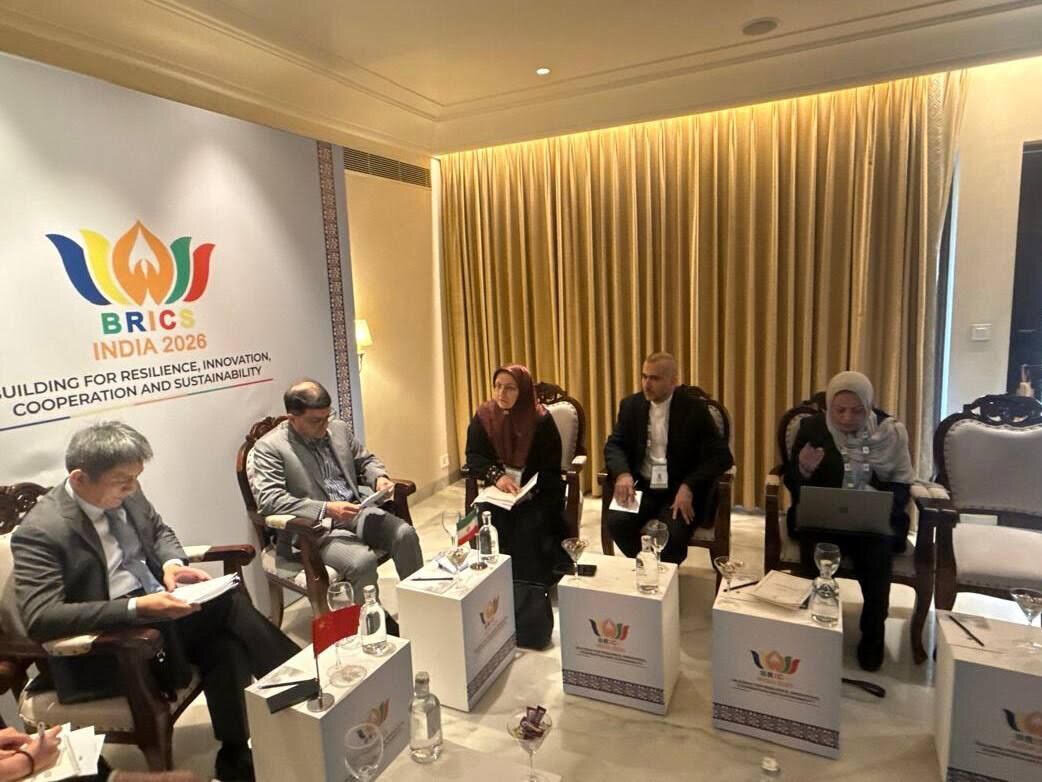
Iran and China are working to elevate their economic relations from trade exchanges to strategic partnerships, joint investment, and value chains. The two countries are set to sign a revised commercial agreement and develop cooperation in various sectors.
Iran and China are working together to make their economic relationship stronger. They want to do more than just trade with each other and instead work together on big projects and investments. This can help both countries grow economically and become less reliant on other countries.
Analysis
Strategic Economic Partnership Beyond Trade
The recent meeting between Iran's Deputy Minister of Industry, Mining and Trade, Mohammad Sadegh Mofatteh, and China's international trade representative, Li Chenggang, marked a significant step towards elevating Iran-China economic relations. The two countries are working to move beyond trade exchanges and develop strategic partnerships, joint investment, and value chains. This shift in focus is crucial for both countries, as it can lead to increased trade, investment, and economic growth.
The revised commercial agreement between Iran and China is a key aspect of this partnership. The agreement has been finalized after several rounds of expert negotiations and the formation of specialized committees in both countries. The signing of this agreement is expected to pave the way for the implementation of mechanisms foreseen within it, including the development of joint investment, joint production, technology transfer, and industrial projects in various sectors.
The activation of the Iran-China railway corridor is another strategic move in the development of bilateral trade. Launching scheduled trains, granting preferential tariffs, developing cooperation in logistics hubs, dry ports, container terminals, and examining complementary routes through Central Asia and Afghanistan can reduce the cost and time of cargo transport, strengthen the security of the supply chain, and Iran's transit position.
The development of exhibition cooperation is also seen as an effective tool in increasing economic interactions between the two countries. Iran has proposed participating as the 'Honorary Guest' in the China International Import Expo (CIIE 2026), which can help to increase economic interactions and promote trade between the two countries.
Key points
- Iran and China are working to elevate their economic relations from trade exchanges to strategic partnerships, joint investment, and value chains.
- The two countries are set to sign a revised commercial agreement and develop cooperation in various sectors.
- The activation of the Iran-China railway corridor is a strategic move in the development of bilateral trade.
- The development of exhibition cooperation is seen as an effective tool in increasing economic interactions between the two countries.
If this partnership plays out positively, it could lead to increased trade, investment, and economic growth for both Iran and China. This could also help to reduce reliance on other countries and promote regional stability.
However, there are also risks associated with this partnership, including the potential for economic instability and security concerns. If the agreement is not implemented effectively, it could lead to delays and setbacks in the development of bilateral trade.