Tehran, Dushanbe open virtual exhibition highlighting shared decorative arts
Iran and Tajikistan have opened a joint virtual exhibition showcasing their shared decorative arts. The exhibition features digital images of Qajar-era tilework from Iran and traditional Kundal artworks from Tajikistan.
Intelligence analysis by Llama
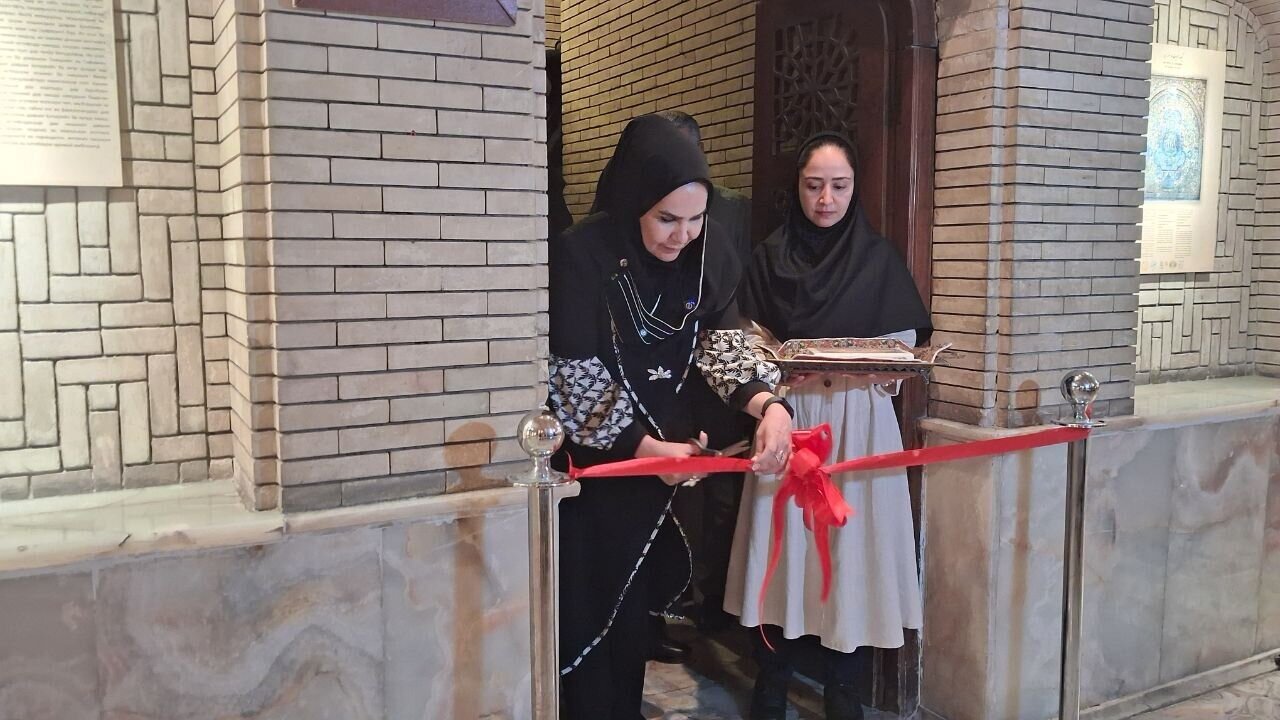
A joint virtual exhibition has opened in Tehran and Dushanbe, showcasing the shared decorative arts of Iran and Tajikistan. The exhibition features digital images of Qajar-era tilework and traditional Kundal artworks.
Imagine two countries, Iran and Tajikistan, coming together to show off their shared artistic traditions. They're displaying digital pictures of beautiful tilework and intricate decorations that have been passed down through generations. It's a way for them to share their culture with the world and show how much they have in common.
Analysis
Shared Heritage, Shared Culture
The joint virtual exhibition, titled 'One Heritage, Two Lands,' has opened simultaneously at the Golestan Palace World Heritage site in Tehran and the National Museum of Tajikistan in Dushanbe. The exhibition features digital images of Qajar-era tilework from Iran and traditional Kundal artworks from Tajikistan. The exhibition is a testament to the shared historical and cultural heritage between the two countries, and provides an opportunity to introduce their cultural collections to a global audience.
A Rich Cultural Tradition
Kundal is a traditional decorative art in Tajik architecture whose roots date back to the 14th and 15th centuries. The technique uses vegetal, arabesque and geometric motifs on plaster and wood and is used to decorate walls and ceilings, in ways comparable to the decorative role of tilework in Iranian architecture. The exhibition provides a unique opportunity to learn about this rich cultural tradition and its significance in Tajik architecture.
International Cooperation
The joint virtual exhibition was organized as part of the National Museum of Tajikistan's international cooperation program and ahead of Tajikistan's 35th anniversary of state independence. The exhibition focuses on Tajik Kundal art and Iranian tilework, and provides an opportunity for both sides to present their historical and cultural collections to a global audience. The initiative is a testament to the longstanding historical and cultural ties between the peoples of Iran and Tajikistan.
Key points
- Iran and Tajikistan have opened a joint virtual exhibition showcasing their shared decorative arts.
- The exhibition features digital images of Qajar-era tilework from Iran and traditional Kundal artworks from Tajikistan.
- The exhibition highlights the shared historical and cultural heritage between Iran and Tajikistan.
- The exhibition provides an opportunity to introduce the cultural collections of both countries to a global audience.
The joint virtual exhibition has the potential to increase cultural exchange and understanding between Iran and Tajikistan, and may lead to future collaborations and partnerships in the fields of art and culture.
The exhibition may face challenges in terms of technical issues or logistical problems, which could impact its success and reach.


