Tehran hosting international exhibition of construction
The 26th International Exhibition of the Construction Industry is being held in Tehran, featuring over 600 domestic and foreign companies. The exhibition covers various sectors, including building materials, equipment, and machinery. The Minister of Transport and Urban De…
Intelligence analysis by Llama
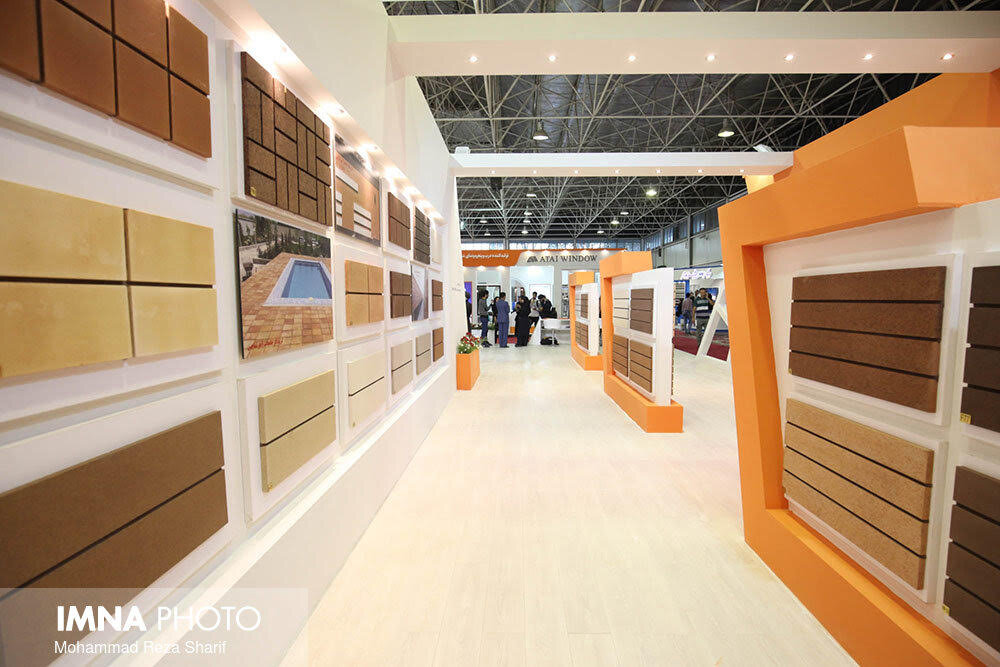
The 26th International Exhibition of the Construction Industry is underway in Tehran, with over 600 companies participating. The exhibition covers various sectors, and the Minister of Transport and Urban Development has emphasized the importance of the private sector in boosting the construction industry.
The city of Tehran is hosting a big exhibition for the construction industry, where many companies are showing their products and services. The Minister of Transport and Urban Development is saying that the private sector is very important for the construction industry and that the government should help them by removing obstacles and supporting them.
Analysis
Private Sector's Role in Construction Industry Development
The 26th International Exhibition of the Construction Industry, being held in Tehran, has brought together over 600 domestic and foreign companies. The exhibition covers various sectors, including building materials, equipment, and machinery. The Minister of Transport and Urban Development, Farzaneh Sadegh, has emphasized the role of the private sector in boosting the construction industry. She stated that the government should not replace the private sector and the people in construction, but rather remove obstacles, facilitate processes, and support existing capacities to pave the way for the development of construction and increased public access to housing.
Sadegh noted that the private sector is not merely an executor but must participate in decision-making and policymaking. She added that one of the most important outcomes of the ongoing meetings with activists and elites of the construction industry was the establishment of a task force for removing production barriers with maximum participation of the private sector. This task force has been formed under the Supreme Housing Council and, with the emphasis of the First Vice President, has been examining issues in the construction sector, particularly housing.
The Minister stated that the conclusions of these reviews will be presented at the first session of the Supreme Housing Council. She noted that the country's special conditions, sanctions, and war have exacerbated some problems, but administrative inefficiencies have nothing to do with war or sanctions, and the ministry's utmost effort is to reduce these inefficiencies. Sadegh added that issues such as insurance, taxes, tolls, facilities, the building permit issuance process, technical regulations, the rules of the Supreme Council of Urban Planning and Architecture, the regulations of the Deputy for Housing and Construction, and the National Building Regulations have been examined in the meetings held.
Amending Regulations and Facilitating Construction
Sadegh stated that issues related to the National Engineering Organization and facilities that could reduce the time for issuing building permits have also been reviewed—issues that have long troubled the private sector and investors seeking to enter the housing sector. She added that some issues related to cooperatives, mass construction, executors, and supervisors have been resolved through ongoing meetings and cooperation with the National Engineering Organization and the Deputy for Housing and Construction, and some guidelines have been revised and communicated.
The Minister further noted that some other problems, due to their cross-sectoral nature and being beyond the ministry's mandate, required coordination with other bodies, and such coordination has been carried out. Referring to the country's energy consumption situation and the need to reform construction processes, Sadegh said that one of the most important issues being pursued is the industrialization of construction. She reminded that industrialization has gained attention due to higher speed, lower cost, greater technical sophistication, and higher quality.
Industrialization of Construction
Sadegh emphasized that the issue is not just construction costs—operational and maintenance costs of buildings must also be reduced. This matter is being pursued with the cooperation of the private sector and the National Engineering Organization nationwide. She noted that the industrialization of construction has been pursued with the help of the Civil Committee of the parliament for the development of professional leasing. Sadegh stated that when discussing housing construction and applicants, we should not only consider outright ownership. Given the differences in affordability and needs across provinces and cities, meeting the housing needs of all people is not possible solely through ownership.
She noted that governments have been involved in supportive housing construction for years, and the extent of access for real applicants—including the first to fourth income deciles and young couples—to housing has been examined. Therefore, leasing and professional leasing can address a significant portion of the need for quality housing. Sadegh continued that part of this relates to rental supportive housing, and another part to facilitating construction by mass builders, developers, and investors to build housing suited to the capacity of various segments of society, including the middle class.
Key points
- The 26th International Exhibition of the Construction Industry is being held in Tehran, featuring over 600 domestic and foreign companies.
- The exhibition covers various sectors, including building materials, equipment, and machinery.
- The Minister of Transport and Urban Development has emphasized the role of the private sector in boosting the construction industry.
- The government should not replace the private sector and the people in construction, but rather remove obstacles, facilitate processes, and support existing capacities.
- The industrialization of construction is being pursued with the cooperation of the private sector and the National Engineering Organization nationwide.
If the government continues to support the private sector and remove obstacles, the construction industry could see significant growth and development, leading to increased access to housing for the public.
However, the country's special conditions, sanctions, and war have exacerbated some problems, and administrative inefficiencies have nothing to do with war or sanctions, which could hinder the progress of the construction industry.