Tehran municipality official highlights restoration of war-damaged heritage sites
Tehran municipality official Ali Shamsipour has highlighted plans and ongoing efforts to restore heritage sites damaged during the recent war involving the United States and the Israeli regime. He noted that studies conducted by the center on historical buildings damaged …
Intelligence analysis by Llama
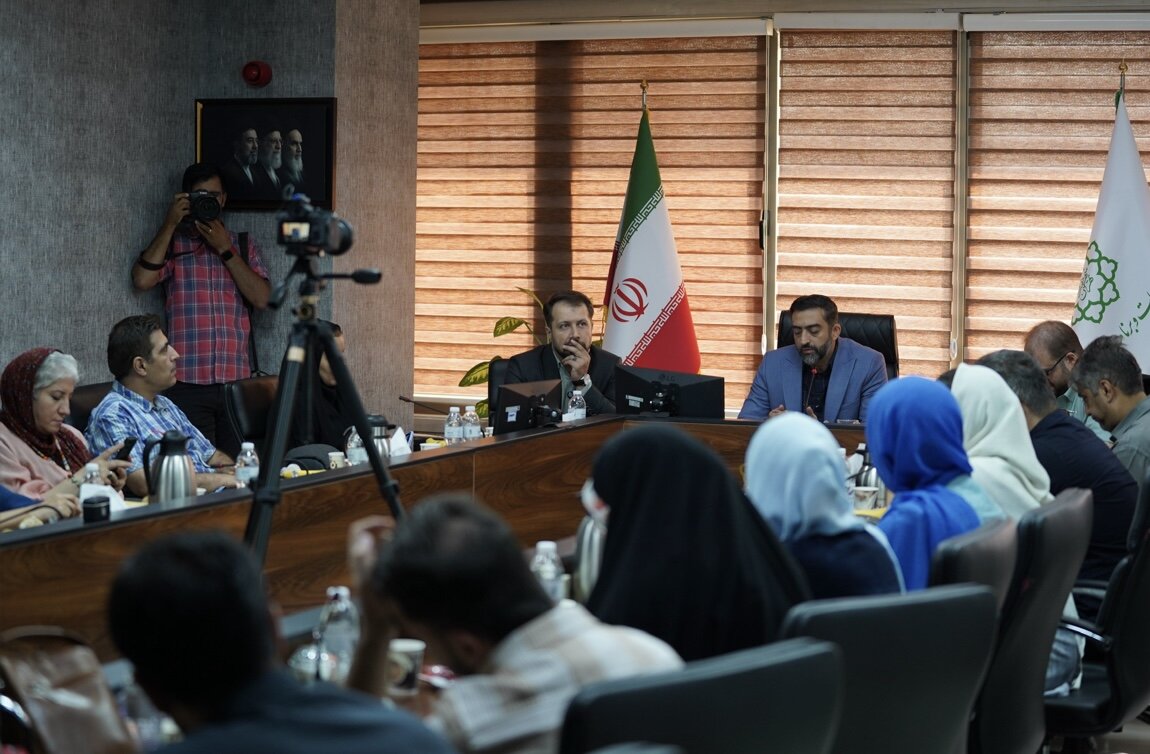
Tehran municipality official Ali Shamsipour has called for greater attention to Tehran's historical identity and clearer responsibilities for protecting and managing its historical buildings, sites, and urban areas. He emphasized that restoration of historical buildings damaged during wars and crises should not erase all traces of the events that affected them.
Imagine a city's history is like a big book with many chapters. Some of those chapters were written during wars and crises, and they have stories of damage and destruction. The people in charge of taking care of the city's history want to restore those damaged chapters, but they also want to keep the stories of what happened. They believe that keeping some of the damage as a reminder of the past is important for the city's identity and culture.
Analysis
Historical Preservation and Restoration Efforts
The restoration of historical buildings damaged during wars and crises is a complex process that requires careful consideration of the site's historical significance and the impact of restoration on its cultural and social dimensions. Ali Shamsipour, head of the Urban Research and Planning Center of Tehran Municipality, has highlighted the importance of preserving the historical memory of these sites, including the documentation of the effects of war on them. He emphasized that restoration should not remove every sign of a historic event, but rather preserve some traces of the damage as historical memory.
Challenges in Urban Management
Tehran's historical heritage is a valuable asset that requires careful management and preservation. However, the responsibility for protecting and managing historical buildings, sites, and urban areas is currently divided among different government bodies, with no single authority fully accountable for their protection. This lack of clear responsibility has led to challenges in urban management, including traffic congestion and air pollution. The Urban Research and Planning Center of Tehran Municipality has undertaken several research projects on neighborhood-based planning, including initiatives focusing on mosques, to address these challenges.
The Importance of Resilience
Attacks on cultural sites can create new layers of historical memory and cultural significance. Places associated with wartime events may themselves eventually become part of a nation's cultural heritage and collective identity. Ali Shamsipour has emphasized the need for a broader understanding of heritage resilience, extending beyond the physical preservation and restoration of monuments to encompass their social, cultural, and human dimensions.
Key points
- Tehran municipality official Ali Shamsipour has highlighted plans and ongoing efforts to restore heritage sites damaged during the recent war involving the United States and the Israeli regime.
- Studies conducted by the center on historical buildings damaged during wars and crises have focused on ways to preserve and restore the sites while also identifying new functions for them.
- Ali Shamsipour has called for greater attention to Tehran's historical identity and clearer responsibilities for protecting and managing its historical buildings, sites, and urban areas.
- The Urban Research and Planning Center of Tehran Municipality has undertaken several research projects on neighborhood-based planning, including initiatives focusing on mosques.
- Attacks on cultural sites can create new layers of historical memory and cultural significance.
If the restoration efforts are successful, Tehran's historical heritage sites can become a source of national pride and a symbol of resilience. The city's cultural and social dimensions can be preserved and promoted, attracting tourists and promoting cultural exchange.
However, the restoration process can be slow and challenging, and the lack of clear responsibility for protecting and managing historical buildings, sites, and urban areas can lead to further challenges in urban management. The city's cultural and social dimensions can be threatened by neglect and lack of attention.