Tesco lifts profit forecast and says consumer confidence is resilient
Tesco has raised its profit outlook, expecting strong Christmas sales despite lower alcohol purchases. First-half sales rose 2% to £33.8bn, with underlying profit up 6.5% to £1.8bn.
Intelligence analysis by Gemini 2.5 Flash Lite
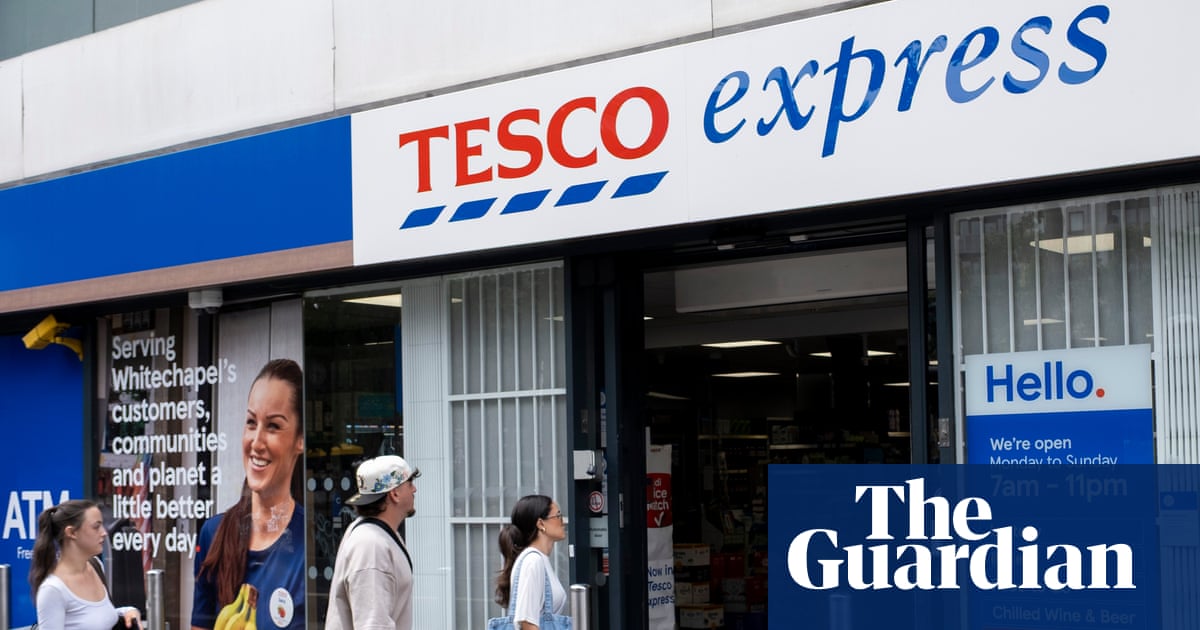
Tesco anticipates a robust Christmas trading period, projecting higher profits due to resilient consumer confidence despite global uncertainties. The UK's largest grocer reported a 2% sales increase in the first half, driven by online growth and premium own-label products, while also noting a shift towards lower-alcohol festive choices.
Imagine Tesco is like a big toy store. They thought they might not sell as many toys this year because people are worried about grown-up problems. But now, they see people are still buying lots of toys, especially for Christmas, so they think they'll make more money than they first expected. They're even getting ready with extra toys and making sure their online store works super fast!
Analysis
Tesco's Profit Outlook
Tesco has revised its annual profit forecast upwards, now anticipating underlying profits to fall between £3.15bn and £3.3bn. This represents a notable upgrade from the previous projection of at least £3bn. While the lower end of this new range would still signify a decrease from the prior year, the overall upward revision suggests a more optimistic view of the company's performance, particularly in the latter half of the fiscal year. This improved outlook is underpinned by the expectation of strong consumer spending during the Christmas period, a critical time for the grocery sector.
Consumer Resilience
Despite ongoing geopolitical tensions, including the conflict in Iran, Tesco's Chief Executive Ken Murphy highlighted the resilience of UK consumers. He noted that customers are keen to celebrate Christmas, even if their purchasing habits are shifting, such as buying less alcohol. This resilience is reflected in the 2% rise in first-half sales to £33.8bn and a 6.5% increase in underlying profit to £1.8bn. Growth was particularly strong in online sales, which increased by 8%, and in the premium 'Finest' own-label range, which saw a 9% revenue jump. This suggests that consumers are willing to spend on perceived value and treats, even amidst economic uncertainty.
Strategic Adaptations
Tesco is actively adapting its strategy to meet evolving consumer demands and manage costs. The company has increased online delivery slots by 10% and is expanding its rapid delivery service, Whoosh, through new partnerships. They are also preparing for a "marginally healthier Christmas" by stocking more low- and no-alcohol beverages. To mitigate price pressures, Tesco has hedged energy costs into the next year and is implementing savings across the business. Furthermore, the retailer is leveraging artificial intelligence, testing AI-powered meal planning assistants and using AI to enhance in-store stock replenishment and energy efficiency, demonstrating a commitment to innovation and operational optimization.
Key points
- Tesco has raised its annual profit forecast to between £3.15bn and £3.3bn.
- First-half sales increased by 2% to £33.8bn, with underlying profit up 6.5% to £1.8bn.
- Online sales grew by 8%, and the premium 'Finest' range saw an 8% revenue jump.
- Tesco anticipates resilient consumer spending this Christmas, with a trend towards lower-alcohol drinks.
- The company is leveraging AI for operational efficiency and customer services.
Tesco's upgraded profit forecast suggests that consumer spending may prove more robust than anticipated, potentially signaling broader economic stability. The company's strategic focus on value, online growth, and premium offerings could allow it to further solidify its market position and outperform competitors.
Despite current resilience, ongoing geopolitical tensions and economic uncertainties could still dampen consumer confidence and spending, impacting Tesco's Christmas sales targets. A significant downturn in the Booker wholesale arm or unexpected supply chain disruptions could also pose risks to profitability.