The 12 Refugee Seats Dispute in Pakistan-administered Kashmir: Did Party Interests Push It Into Deadlock, and What Happens Next?
A dispute over 12 refugee seats in Pakistan-administered Kashmir has escalated after protests and clashes, with major parties blaming each other for the deadlock.
Intelligence analysis by GPT-5.4 Mini
The article says the refugee-seat issue in Pakistan-administered Kashmir has moved from a legal-political dispute into a full political standoff, with the PPP, PML-N, and the banned Joint Awami Action Committee each blaming the others. It explores why a possible compromise was delayed and what options may still remain.
This is like a school where a few special seats are being argued over. Some people want the seats changed or cut, others want them kept, and while the adults argue, the hall gets noisy and the real work stops.
Analysis
What the dispute is about
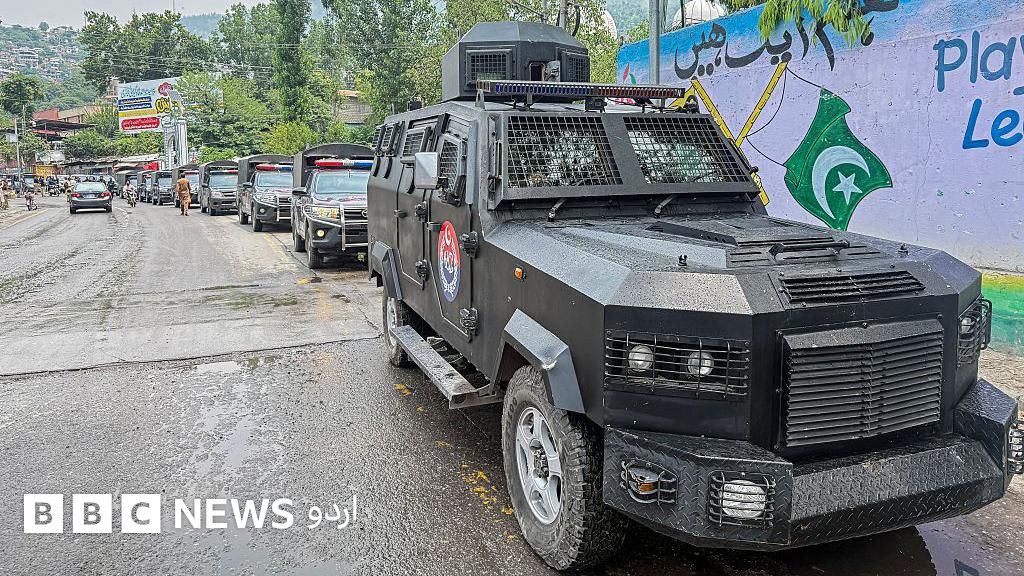
The story focuses on 12 seats in the Pakistan-administered Kashmir assembly reserved for refugees living in Pakistan. The article says the issue has turned into a serious political confrontation after protests and clashes between demonstrators and government forces.
Why it escalated
According to the piece, the government had roughly eight months to resolve the matter after an agreement in September 2025 with the representatives of the protest movement, then known as the Joint Awami Action Committee and later banned. Instead, the article says the period was consumed by political changes inside the regional government, including repeated changes of chief minister over the previous five years.
The competing political claims are central to the deadlock. The refugee-seat candidates argue that abolishing the 12 seats was not originally the committee’s agenda and say it was inserted into a later charter of demands as part of a planned move. They blame the PPP-led government in Kashmir. PPP leaders, by contrast, say many politicians in the region agree the seats should be ended or reduced, but the matter became controversial because of the PML-N’s political priorities.
What the leaders say
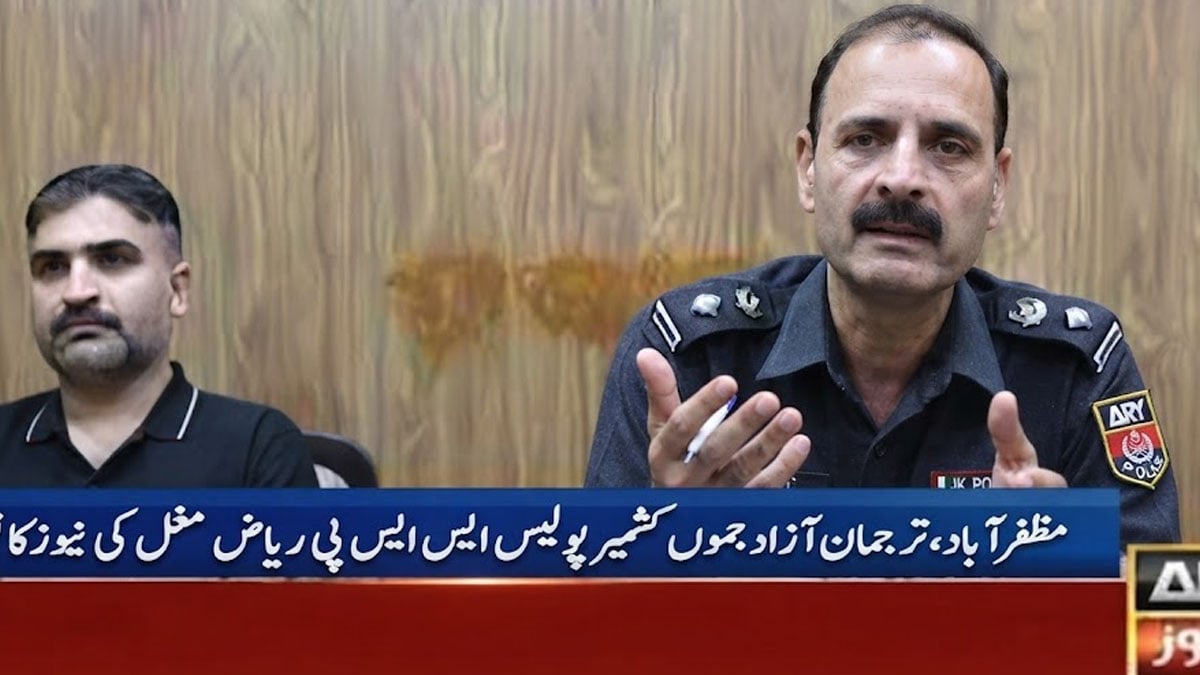
Prime Minister Faisal Mumtaz Rathore says he expected the situation to move toward confrontation and argues that delay made the problem worse. He says he and his party have already supported several proposals, including reducing the seats and their powers, and says PPP would support proportional representation if the seats were ever changed.
From the federal side, PML-N leader Tariq Fazal Chaudhry says protest is a constitutional right, but violence and loss of life are not. He rejects the idea that the demands can be imposed through force and says the dispute harms the Kashmir cause. He also says the side representing the seats raised objections over development funds being spent in Pakistani areas, after which funds were stopped and the cabinet size was reduced.
The bigger picture
The article presents the dispute as both an institutional question and a political one: how to reform reserved representation without turning it into a symbolic fight over Kashmir’s future.
Key points
- The dispute centers on 12 assembly seats for refugees living in Pakistan.
- Protests and clashes have pushed the issue into a wider political crisis.
- PPP and PML-N leaders blame each other for the delay in resolving it.
- The article says the banned Joint Awami Action Committee also accuses the authorities of failing to act in time.
- Possible fixes mentioned include reducing the seats, changing their powers, or using proportional representation.
If the parties accept one of the compromise options mentioned in the article, such as reducing the seats, changing their powers, or moving to proportional representation, the dispute could be defused. That would give the government a way to calm tensions without pretending the representation question never existed.
If the parties keep using the seats as a political weapon, the deadlock could continue and the protests could become more volatile. The article suggests that delay has already deepened mistrust, and more violence would further damage the Kashmir political climate.