The Aluminum Shock Hitting the Global Economy
Aluminum is being squeezed by Middle East supply disruptions and US tariffs, raising costs for manufacturers and buyers.
Intelligence analysis by GPT-5.4 Mini
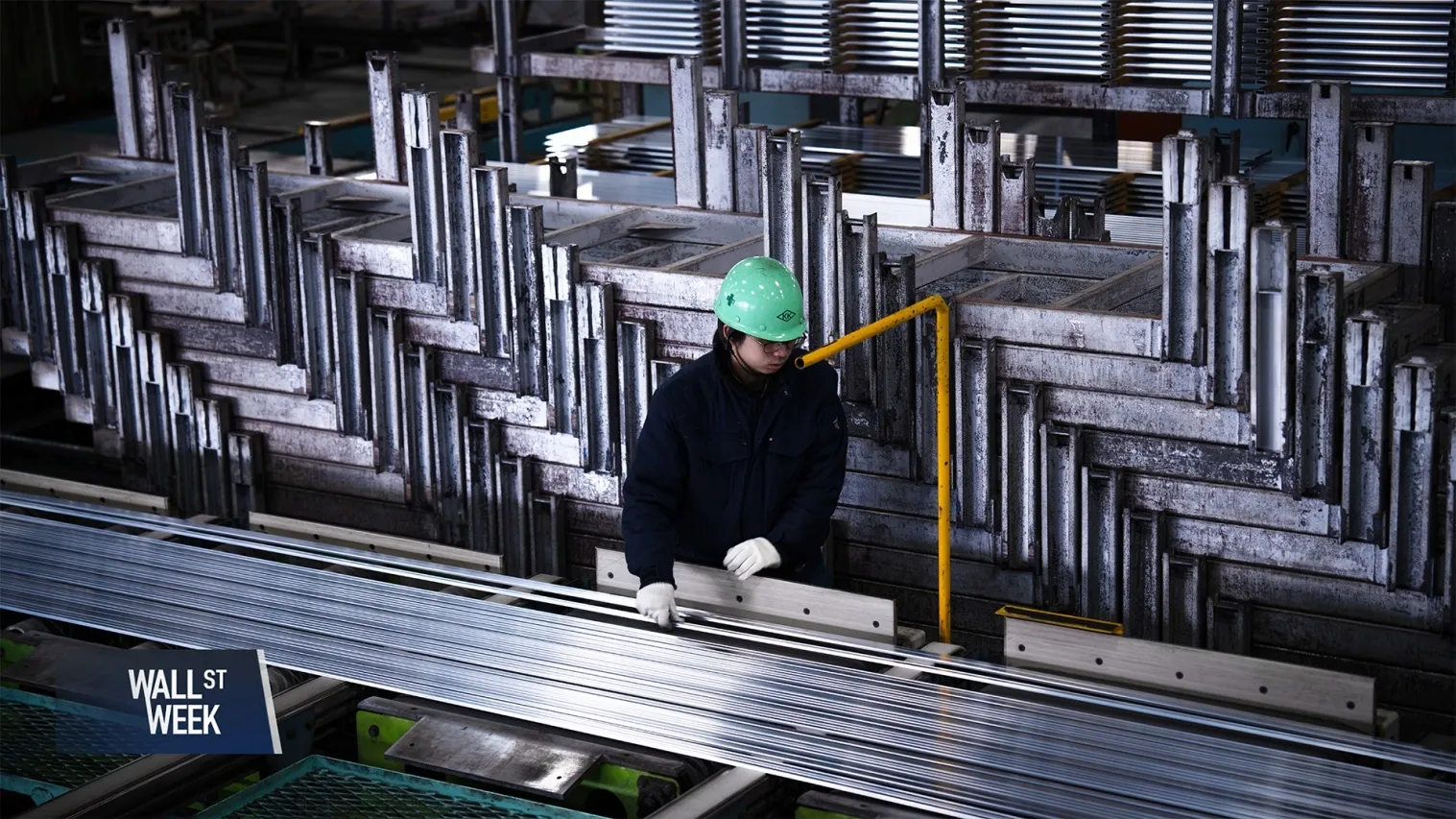
Bloomberg says aluminum markets are under pressure from two sides at once: conflict-related supply losses in the Gulf and tariff-driven price increases in the US. The squeeze is rippling through manufacturers, with fresh uncertainty around availability, costs, and delivery times.
Aluminum is a metal used to make lots of things, like bike parts, cars, cans, and gadgets. Right now, two problems are making it harder to get: trouble in the Middle East and higher US taxes on imports.
That means the metal can cost more and may be harder to ship around the world. It is a bit like a toy store getting fewer boxes while the price of each box also goes up.
When that happens, the companies that turn aluminum into real products may have to pay more. Those higher costs can slowly show up in the things people buy every day.
Analysis
Supply shock meets tariffs
Bloomberg frames the aluminum market as being hit by a rare double squeeze. Industry executives say conflict in the Middle East has disrupted production and shipping in the Gulf, removing meaningful supply from global markets. At the same time, US tariffs are already making aluminum more expensive for American buyers.
Jean Simard of the Aluminium Association of Canada says the full effect of blocked shipments and damaged smelters has not yet reached North America. That suggests the pricing pressure may still intensify rather than fade quickly. The report also says Norsk Hydro executive Trond Christophersen sees even larger physical supply risks in Asian markets.
Ripple effects for industry
The article points to Minnesota-based Wolf Tooth Components as an example of the pressure on manufacturers. For firms that rely on aluminum inputs, tariffs, supply interruptions, and stronger demand from AI data centers are combining to push costs higher and create new uncertainty.
The broader takeaway is that aluminum is not just a metals story. It is a supply-chain story with implications for manufacturing margins, import prices, and inflation. If the supply gap persists, the market could keep transmitting stress into downstream industries that use aluminum in everyday products.
Key points
- Bloomberg says the aluminum market is being squeezed by Middle East conflict and US tariffs at the same time.
- Industry executives warn that shipping disruptions and damaged smelters are removing supply from global markets.
- Jean Simard says North America has not yet felt the full effect of the supply shock.
- Trond Christophersen says Asian markets face even greater physical supply risks.
- Manufacturers are also seeing higher costs from AI data center demand and tighter supply.
