The ancient trick making food waste useful and tasty
Food companies are using fermentation to turn discarded by-products into ingredients, cheese-like foods, pet food, and other products. Some teams are using AI to speed up the search for useful combinations.
Intelligence analysis by GPT-5.4 Mini
Researchers and startups are treating food waste as a raw material instead of trash. By pairing fermentation with data and AI, they are trying to make by-products from peas, cocoa shells, molasses, and soy pulp into foods with better flavor and higher value.
The story is about turning leftovers from food making into new foods, like making soup from scraps instead of throwing them away. Scientists and companies are using tiny living helpers and smart computers to find tasty ways to do it.
Analysis
Turning waste into ingredients
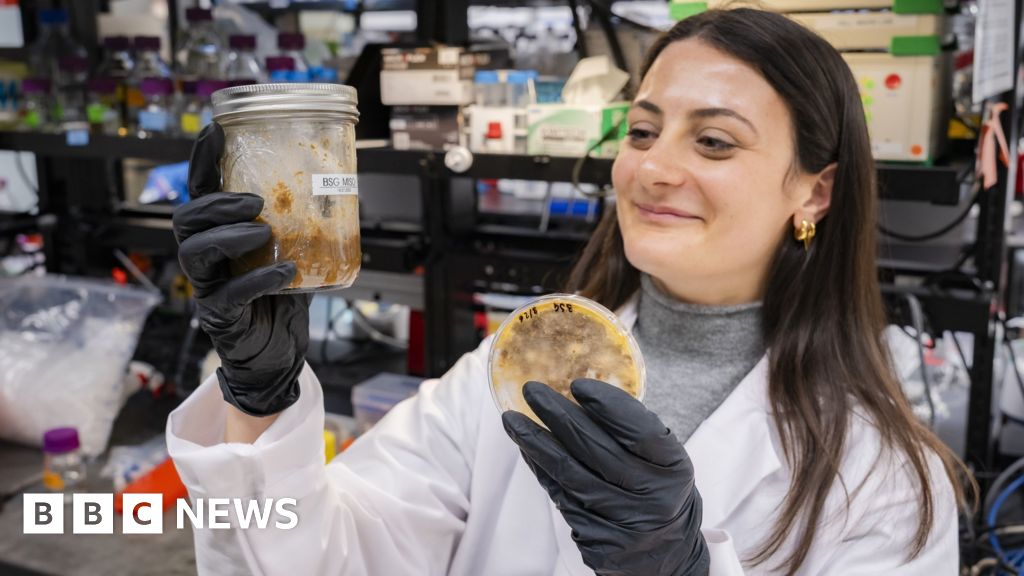
A Stanford University lab led by bioengineer Vayu Hill-Maini is experimenting with fungi-based fermentation to turn food waste into something that tastes like cheese. He says the lab recently made a product that resembles Pecorino or Parmigiano by combining waste with a few other ingredients.
The article explains that fermentation is a biological process in which organisms convert sugars or starches into other substances without oxygen. In this case, the key idea is that many discarded food by-products can serve as substrates, or feedstock, for microorganisms. That opens the door to using material that is usually composted, burned, or sold cheaply for animal feed.
Several companies are pushing the idea in different directions. UK-based Fermtech is fermenting cocoa shells into a cocoa powder substitute. Its CEO, Andy Clayton, says the shells already have a strong chocolate smell, and the goal is to retain flavour while making the material usable for people. Spain’s MOA Foodtech is focusing on pea by-products, using data about substrates, conditions, and microorganism genomes to train an AI system that identifies the best combinations for yield. Emparanza says the platform can now develop 300 bioprocesses per hour, compared with one bioprocess in two weeks when the company started.
MicroHarvest in Germany is working with sugar-industry by-products such as molasses to make premium pet food, while Singapore’s Mottainai Food Tech is using ingredients such as okara, the soy pulp left after making tofu and soymilk, for products including a meat substitute called Jiro Meat. Across the examples, the common thread is that fermentation and AI are being used to raise the value of materials that would otherwise be wasted.
Key points
- Stanford researchers are using fungal fermentation to turn food waste into cheese-like products.
- Fermtech is fermenting cocoa shells into a cocoa powder substitute.
- MOA Foodtech uses AI to match substrates and microorganisms for better fermentation yields.
- MicroHarvest is converting sugar-industry by-products into premium pet food.
- Singapore’s Mottainai Food Tech is using ingredients like okara for meat substitutes and tuna projects.
If the approach works well, food waste could become a cheaper source of ingredients instead of a disposal problem. The article suggests that this could save money, reduce waste, and create foods with better flavour and wider use.
The article also shows that these ideas are still experimental and depend on finding the right microbes, substrates, and processes. If the flavours, yields, or economics do not hold up, the by-products may still end up in compost, animal feed, or disposal streams.