The business secretary is overselling UK state investment activism
Peter Kyle is promising a more activist state role in backing UK firms, but the article says he is overstating what the British Business Bank and National Wealth Fund actually do.
Intelligence analysis by GPT-5.4 Mini
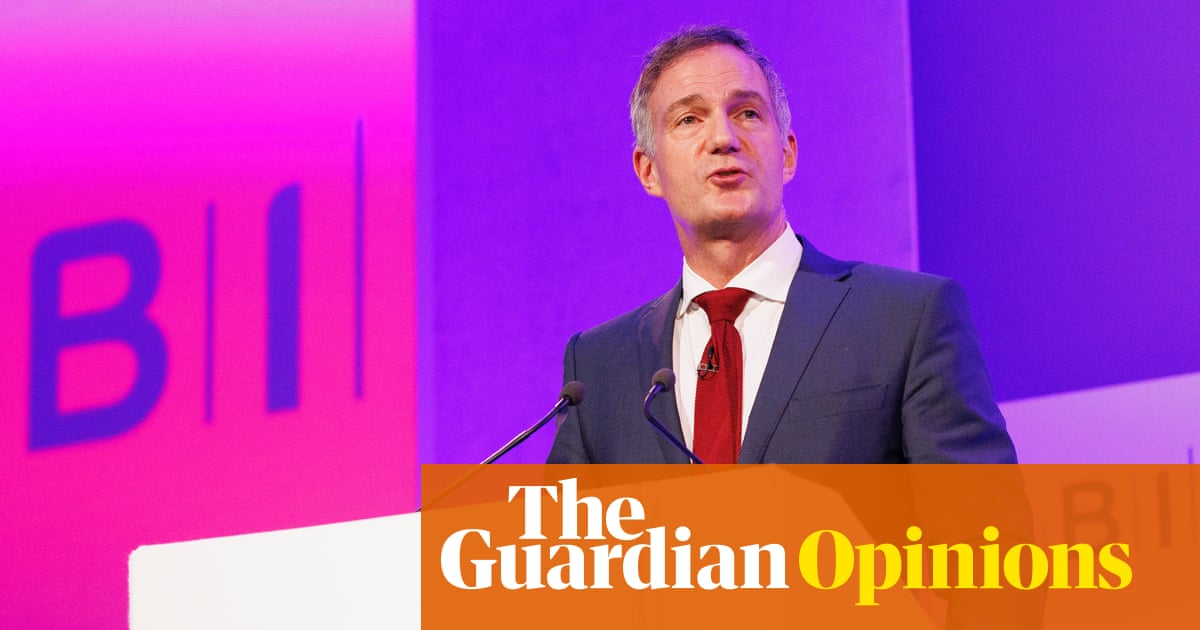
Nils Pratley argues that Peter Kyle’s rhetoric about nurturing a trillion-dollar UK firm and “betting big” on innovation goes beyond what the state investment bodies are set up to do. The real task, the column says, is disciplined lending and investment to improve financing for startups and infrastructure.
Peter Kyle is saying the government should help big new companies grow. The article says that is okay, but he is talking as if the state is a superhero investor, when these groups are really more like careful helpers with rules.
Analysis
What Kyle is saying
Peter Kyle has launched a “concierge service” for fast-growing companies and framed it as part of a quest to nurture the UK’s first trillion-dollar firm. He has also said the Treasury-backed British Business Bank and National Wealth Fund should take more risk and be “aggressively ambitious.”
Why the column pushes back
Nils Pratley says that language overstates what these institutions are for. The BBB and NWF are not supposed to work like ministers or political operators picking winners day to day; they are meant to use public money within defined risk limits, often alongside private capital. The article says that their role is less about dramatic state-led venture building and more about improving access to finance for young companies and infrastructure projects.
The column accepts that the funding gap for UK startups and scale-ups is real, and says it is reasonable for government to try to address it. It also notes that some of the bigger-ticket moves, such as the BBB’s larger direct investments and the NWF’s support for Rolls-Royce small modular reactors, fit within a broader state-finance tradition rather than a return to 1970s-style corporate rescue.
The central point
The criticism is not that the government should do nothing. It is that Kyle’s “betting big” language makes the strategy sound more dramatic than it is. The article argues that the real test is whether the BBB and NWF stay close to strict risk criteria, disciplined investing, and the private-sector standards they were designed to mirror.
Key points
- Peter Kyle is promoting a more activist state role in backing British firms and infrastructure.
- The article says he is overselling what the British Business Bank and National Wealth Fund are meant to do.
- Those bodies are described as disciplined investors, not ministers acting like fund managers.
- The piece accepts that the UK funding gap for startups and scale-ups is real and worth addressing.
- The main warning is to keep the strategy focused on strict risk criteria and responsible investment.
If the government keeps the focus on disciplined lending and co-investing with private funds, the BBB and NWF could make it easier for UK startups to find money. That could help more young firms stay in Britain and support long-term growth in key industries.
If the rhetoric gets ahead of the rules, the bodies could drift away from careful investment and blur the line between policy and politics. That would risk public money being used too aggressively, or the strategy losing credibility if the promised “trillion-dollar firm” never materializes.