‘The captain told me to wear a nappy on board’ – why is air travel so humiliating for disabled passengers?
Disabled passengers face humiliation and distress during air travel, including denial of essential services like onboard wheelchairs and access to toilets, leading to significant emotional distress and physical discomfort.
Intelligence analysis by Gemini 2.5 Flash Lite
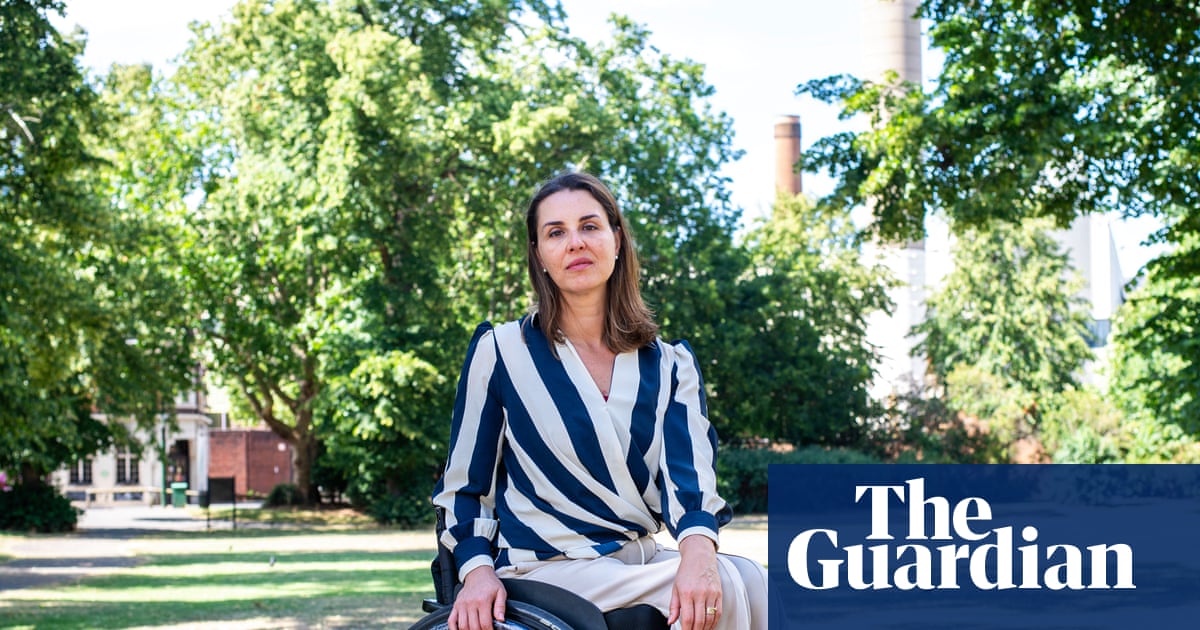
Airlines are failing disabled passengers, with incidents of denial of onboard wheelchairs, forced toilet use without assistance, and even suggestions to wear nappies, highlighting systemic issues and a lack of understanding from staff.
Imagine going on a trip, but the airplane staff makes it really hard for you to use the bathroom or even get to your seat because you use a wheelchair. Some people are told they can't fly or have to go through very embarrassing situations, like being told to wear a diaper, because the airline doesn't have the right equipment or doesn't understand their needs.
Analysis
Systemic Failures in Aviation Accessibility
The experiences of Paralympian Hannah Babalola and other disabled passengers reveal a disturbing pattern of systemic failures within the airline industry regarding accessibility. Babalola's account of being denied an onboard wheelchair on a KLM flight, coupled with the captain's unfounded fears about turbulence and incorrect assertions about her booking, underscores a profound lack of preparedness and empathy from airline staff. The suggestion that she forgo using the toilet or face removal from the flight, despite having booked special assistance, demonstrates a disregard for basic human dignity and passenger rights. This is not an isolated incident; the Guardian's previous reporting on Babalola's case elicited numerous similar accounts, indicating a widespread problem rather than a few isolated errors.
The Humiliation of Invisible Barriers
Beyond the logistical failures, the emotional and psychological toll on disabled passengers is immense. The report by the National Centre for Accessible Transport, 'Invisible Barriers: How public attitudes affect inclusive travel,' points to negative treatment stemming from assumptions and stereotypes surrounding disability. This can manifest as abuse from other passengers and a limited understanding of disability needs from transport staff. Sophie Morgan's experience, where her wheelchair was repeatedly damaged by airport staff, and her recounting of a captain suggesting she wear a nappy, exemplifies the deeply humiliating and dehumanizing treatment many disabled individuals endure. These experiences suggest a culture within some parts of the aviation sector that views disabled passengers as burdens rather than as entitled customers.
Regulatory Gaps and the Fight for Rights
The existing regulatory framework, such as the UK's Civil Aviation Authority guidelines, offers some protections but has significant limitations. These rules primarily apply to passengers flying from UK airports or returning to the UK on UK or EU airlines, leaving many international travelers unprotected. The fact that disabled passengers, like Babalola, must often fight for their basic needs to be met, even when they have followed procedures for booking assistance, indicates a gap between policy and practice. The campaign group Rights on Flights, co-founded by Sophie Morgan, highlights the ongoing struggle for equitable air travel. The sentiment that airlines would ban disabled passengers if they could, and that despite awareness, the problems persist, points to a need for more robust enforcement, stricter penalties, and a fundamental shift in airline culture towards genuine inclusivity.
Key points
- Disabled passengers frequently experience humiliating and distressing incidents during air travel, including denial of essential services.
- Airlines often fail to provide onboard wheelchairs and adequate assistance for toilet use, despite passengers booking special assistance.
- Negative attitudes, stereotypes, and a lack of understanding from airline staff contribute to poor experiences for disabled travelers.
- Existing regulations offer limited protection, with many international travelers falling outside their scope.
- Advocacy groups are campaigning for better accessibility and a fundamental change in airline culture to ensure dignified travel for all.
Increased public awareness and advocacy from groups like Rights on Flights could pressure airlines to invest in better accessibility training and equipment. This could lead to a future where disabled passengers can travel with dignity and without fear of humiliation or discrimination.
Without stronger regulatory enforcement and a significant cultural shift within airlines, disabled passengers will continue to face distressing and humiliating experiences. The current system appears to prioritize convenience and cost-saving over the fundamental rights and well-being of a significant passenger demographic.