The dollar's suicide note: How Washington's financial arrogance is destroying its own empire
The US Treasury's decision to increase buybacks of long-dated bonds has sent a clear signal that America has lost control of its fiscal destiny and is now choosing currency debasement over fiscal responsibility.
Intelligence analysis by Llama
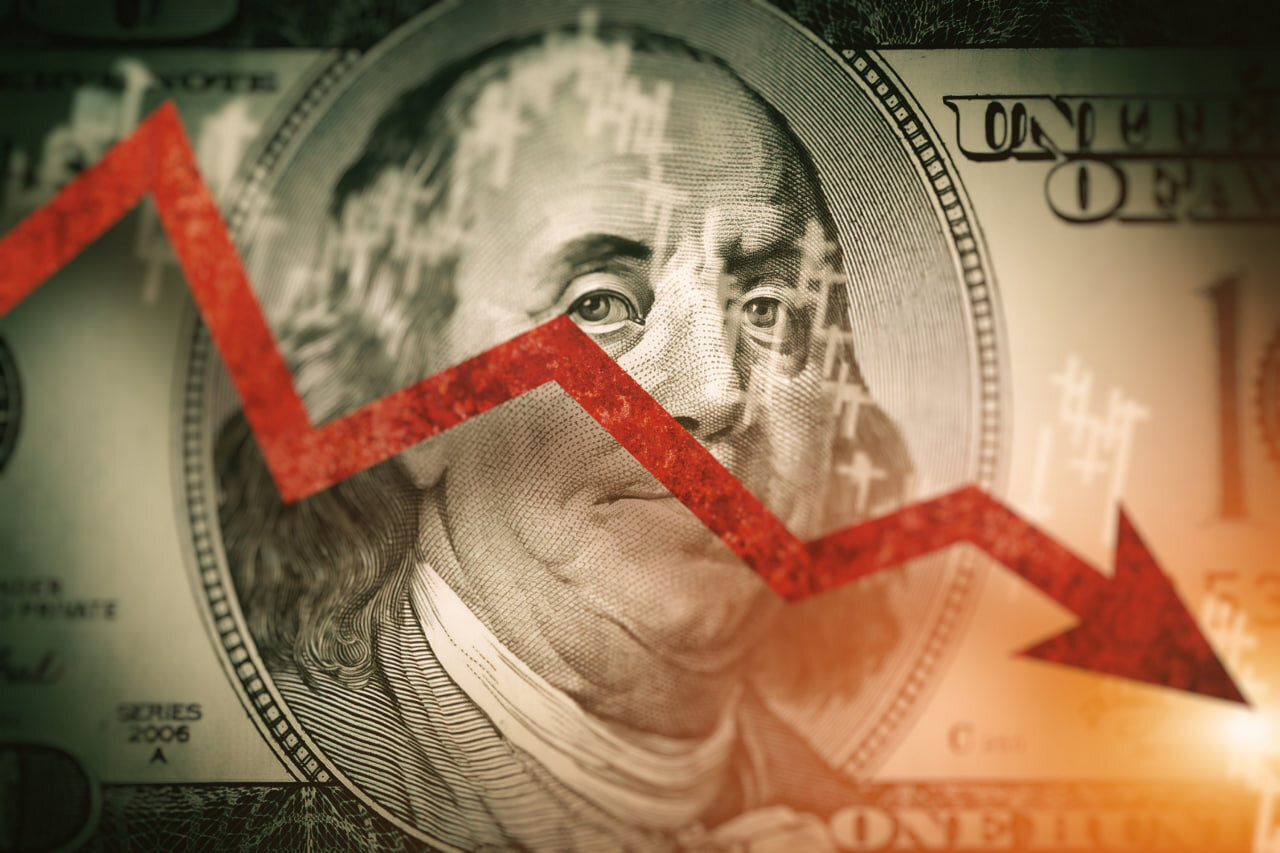
The US Treasury's decision to increase buybacks of long-dated bonds has sent a clear signal that America has lost control of its fiscal destiny and is now choosing currency debasement over fiscal responsibility. This move has led to a sharp decline in the dollar's value and a surge in gold and precious metals.
Imagine you're playing a game where you borrow money to pay off existing debts. This might work for a while, but eventually, you'll run out of money and have to pay the price. That's what's happening with the US Treasury's decision to increase buybacks of long-dated bonds. They're borrowing more money to pay off existing debts, but this will lead to a decline in the dollar's value and a surge in inflation.
Analysis
The Roadmap to Currency Destruction
The US Treasury's decision to increase buybacks of long-dated bonds is a clear signal that America has lost control of its fiscal destiny. This move represents a choice between fiscal responsibility and currency debasement. The Treasury's decision to buy back its own bonds is equivalent to a gambler borrowing more money to pay off existing debts. This works temporarily, until it doesn't. Japan has been walking this path for decades, and the result has been a relentless decline in the yen's value, eroding Japanese purchasing power and living standards.
The Price of Arrogance
The US Treasury's decision to increase buybacks of long-dated bonds is a clear signal that Washington has zero willingness to confront its spending addiction. Instead, they've chosen the path of least resistance: debase the currency, inflate away the debt, and let ordinary Americans bear the cost through higher prices and lower real wages. This is a recipe for disaster, as it will lead to a decline in the dollar's value and a surge in inflation.
The End of the Dollar's Monopoly
The dollar's privileged position, maintained through petrodollar arrangements and military might, is eroding. Nations are diversifying reserves, exploring alternative currencies, and reducing their dependence on the dollar. The Saudi Arabia's recent decision to record zero oil sales to the United States for the first time in history is a clear signal that the dollar's monopoly over global oil transactions is crumbling. When the world no longer needs dollars to buy oil and when major powers stop buying American debt, the entire structure that has kept US borrowing cheap for decades begins to collapse.
Key points
- The US Treasury's decision to increase buybacks of long-dated bonds has sent a clear signal that America has lost control of its fiscal destiny.
- This move has led to a sharp decline in the dollar's value and a surge in gold and precious metals.
- The dollar's privileged position, maintained through petrodollar arrangements and military might, is eroding.
- Nations are diversifying reserves, exploring alternative currencies, and reducing their dependence on the dollar.
- The Saudi Arabia's recent decision to record zero oil sales to the United States for the first time in history is a clear signal that the dollar's monopoly over global oil transactions is crumbling.
If the US Treasury's decision to increase buybacks of long-dated bonds leads to a decline in the dollar's value, it could create opportunities for other currencies to rise. This could lead to a more diversified global economy and a reduction in the dollar's dominance.
If the US Treasury's decision to increase buybacks of long-dated bonds leads to a surge in inflation, it could have devastating consequences for the global economy. This could lead to a decline in living standards, a reduction in purchasing power, and a surge in poverty.