The Downsides Of Switching From iPhone To Android
The author shares their experience switching from iPhone to Android, highlighting the downsides of making the switch, including software inconsistencies, app availability, and hardware differences.
Intelligence analysis by Llama
The author's experience switching from iPhone to Android reveals the downsides of making the switch, including software inconsistencies, app availability, and hardware differences. While the switch itself is no longer a headache, the author misses certain iOS features and design consistency.
Imagine you're switching from one phone to another, and you have to find new apps and services that work just as well. That's what the author experienced when they switched from iPhone to Android. They missed certain features and design consistency, but overall, the switch itself was no longer a headache.
Analysis
The Switch Itself Is No Longer a Headache
The author's experience switching from iPhone to Android reveals that the switch itself is no longer a headache. With the help of third-party apps, users can now easily migrate their WhatsApp chats, contacts, photos, and calendar events from iOS to Android. However, users who pay for Apple services like iCloud+ may still face some challenges in accessing their files via a browser.
Software Inconsistencies
One of the major downsides of switching from iPhone to Android is the software inconsistencies. While manufacturers like Google and Samsung promise up to seven years of OS updates, Apple has a proven track record of delivering long-term software support. Most Android manufacturers still only offer around three or four years of updates, which can lead to software inconsistencies and security vulnerabilities.
App Availability
Another downside of switching from iPhone to Android is the app availability. While some apps like Apple Music work just fine on Android devices, others don't play nearly as nicely outside Apple's walled garden. The author mentions that they had to find alternatives to a few apps that are only available on iOS, including Flighty, their flight tracking app of choice.
Hardware Differences
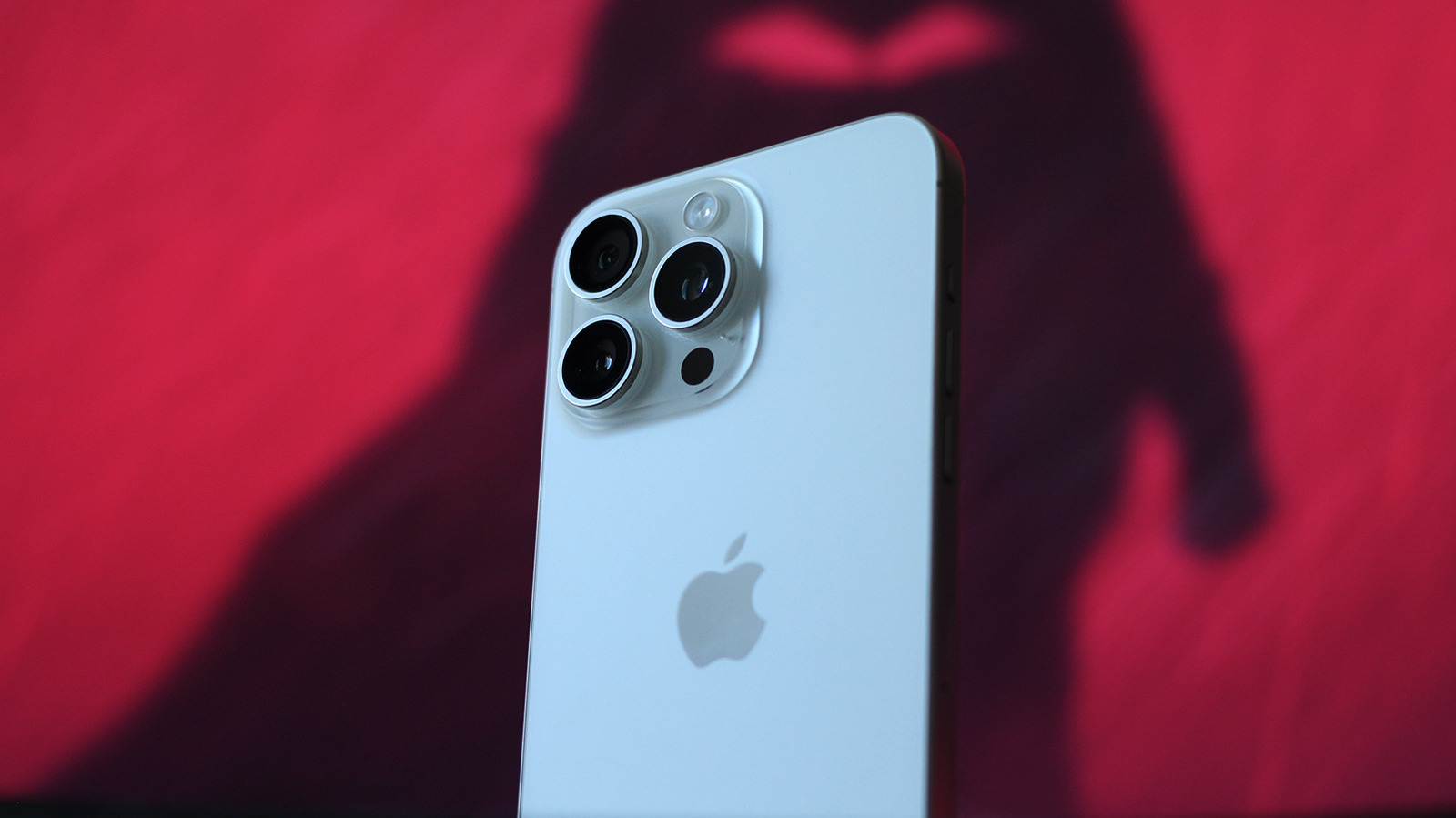
The author also highlights the hardware differences between iPhones and Android smartphones. While there are definitely quite a few Android smartphones with comparable or even better hardware, iPhones do a better job at maintaining a consistent level of quality across the entire lineup. The author mentions that they miss the build quality, haptics, speakers, and camera experience of their iPhone.
Key points
- The switch itself is no longer a headache, thanks to third-party apps.
- Software inconsistencies are a major downside of switching from iPhone to Android.
- App availability is another issue, with some apps not working as well on Android devices.
- Hardware differences between iPhones and Android smartphones are also a consideration.
- Google has been making efforts to bridge the gap between Android and iOS users.
If you're considering switching from iPhone to Android, you can still find a setup of apps and services that works just as well. Google has been making efforts to bridge the gap between Android and iOS users, and some modern Android smartphones can now share or receive files with iPhones, iPads, and Macs through AirDrop.
However, users who are deeply invested in Apple's ecosystem may face some challenges in switching to Android. They may need to find alternatives to certain apps, and they may miss the design consistency and hardware quality of their iPhone.