The Emirati Etihad Acquires West African Skies with Nigerian Air Peace
Etihad Airways has signed interline agreements with Nigeria's Air Peace and Ghana's Africa World Airlines, expanding its West African network. This strategy allows the Emirati carrier to compete more effectively with rivals Emirates and Qatar Airways on the continent.
Intelligence analysis by Gemini 2.5 Flash
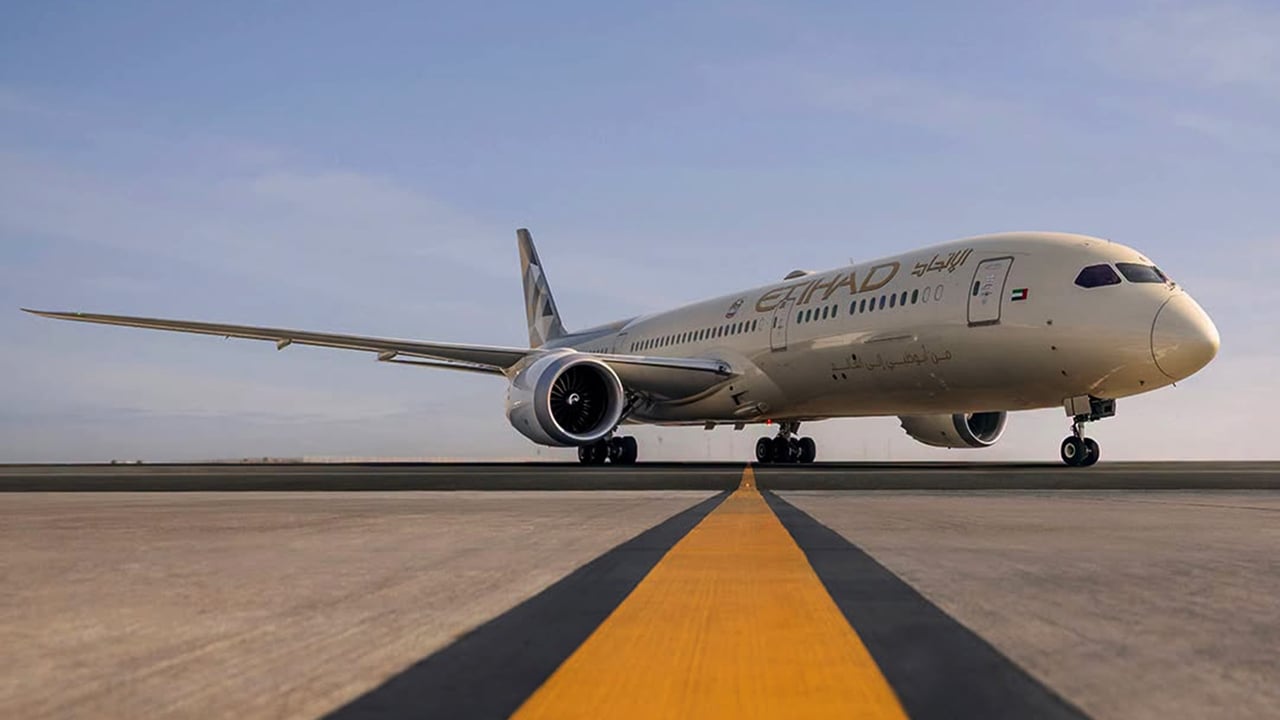
Etihad Airways, an Emirati carrier, is making a strategic push into West Africa by forging alliances with local airlines like Air Peace and Africa World Airlines. These interline agreements aim to broaden Etihad's reach to key cities such as Abidjan, Douala, and Dakar, enhancing its competitive position against other major Gulf carriers.
Imagine big airplane companies are like different bus lines. Etihad, a bus line from a faraway land, wants to pick up more passengers in West Africa. Instead of buying lots of new buses for every small town, it's teaming up with local bus lines like Air Peace and Africa World Airlines. This way, people can take a local bus to a bigger city, then hop on Etihad's bus to go even further, making it easier for everyone to travel and helping Etihad compete with other big bus lines.
Analysis
Etihad's Strategic Pivot to West Africa
Etihad Airways, based in Abu Dhabi, has historically maintained a less aggressive presence in West Africa compared to its Gulf rivals, Emirates and Qatar Airways. However, recent moves indicate a significant shift in its continental strategy. By signing interline agreements with key regional players like Nigeria's Air Peace and Ghana's Africa World Airlines (AWA), Etihad is rapidly expanding its network footprint without the need for direct flight operations to every destination. This approach allows the Emirati carrier to leverage the existing infrastructure and market penetration of established local airlines, providing seamless connectivity for passengers traveling to and from West African hubs. The agreements, announced within days of each other in July, underscore Etihad's commitment to re-establishing a strong presence in a region characterized by growing economic activity and increasing demand for air travel. This strategic pivot is designed to capture a larger share of the market by offering more comprehensive travel options, thereby enhancing its competitive edge against other international carriers vying for dominance in African skies.
Leveraging Local Alliances for Regional Reach
The core of Etihad's new strategy lies in forming alliances with local African carriers. For Air Peace, Nigeria's largest airline, this partnership with Etihad is crucial for maximizing its passenger flows within West Africa. It enables Air Peace to feed its regional network with international passengers arriving via Etihad, and conversely, allows its passengers to connect to Etihad's global network. This symbiotic relationship benefits both parties: Etihad gains access to secondary cities like Abidjan, Douala, and Dakar through its partners, while Air Peace strengthens its position as a regional hub by offering enhanced international connectivity. Similarly, the agreement with Ghana's Africa World Airlines further solidifies Etihad's reach in the Anglophone West African market. These interline agreements are a cost-effective and efficient way for Etihad to penetrate diverse markets, circumventing the complexities and capital expenditure associated with launching new direct routes. This model also supports the growth of African airlines by integrating them into a broader international network, potentially leading to increased passenger traffic and revenue for the local partners.
Intensifying Competition in African Aviation
Etihad's renewed focus on West Africa signals an intensification of competition among major international airlines for market share on the continent. Emirates and Qatar Airways have long held dominant positions, establishing extensive networks and strong brand recognition across Africa. Etihad's strategy of local alliances is a direct challenge to this established order, aiming to carve out its own niche by offering a differentiated approach to market entry and expansion. The increased competition is generally beneficial for consumers, potentially leading to more flight options, competitive pricing, and improved service quality. For African aviation, these partnerships can foster greater integration into the global air transport system, facilitating trade, tourism, and economic development. However, it also places pressure on smaller, independent African carriers to either form similar alliances or enhance their own offerings to remain competitive in an increasingly crowded and strategically important market.
Key points
- Etihad Airways has signed interline agreements with Nigeria's Air Peace and Ghana's Africa World Airlines.
- This strategy aims to expand Etihad's network in West Africa, gaining access to cities like Abidjan, Douala, and Dakar.
- The move allows Etihad to compete more effectively with established Gulf rivals, Emirates and Qatar Airways, on the African continent.
- For Air Peace, the agreement helps maximize passenger flows within West Africa by connecting to Etihad's global network.
This strategic move by Etihad could significantly boost air travel connectivity across West Africa, offering passengers more diverse routes and potentially more competitive fares. It also provides African carriers like Air Peace and AWA with enhanced international exposure and passenger flows, fostering their growth and integration into the global aviation network.
While beneficial for connectivity, the increased reliance on Gulf hubs for international travel could further expose African airlines to geopolitical risks, as highlighted by past disruptions. Intense competition from major international players might also put pressure on smaller African carriers that are unable to form similar alliances or compete on scale.