The EU should fast-track Ukraine’s membership of the club – it has the most to gain
Rahman argues the EU should speed up Ukraine’s accession because it would aid peace, reform, and Europe’s security.
Intelligence analysis by GPT-5.4 Mini
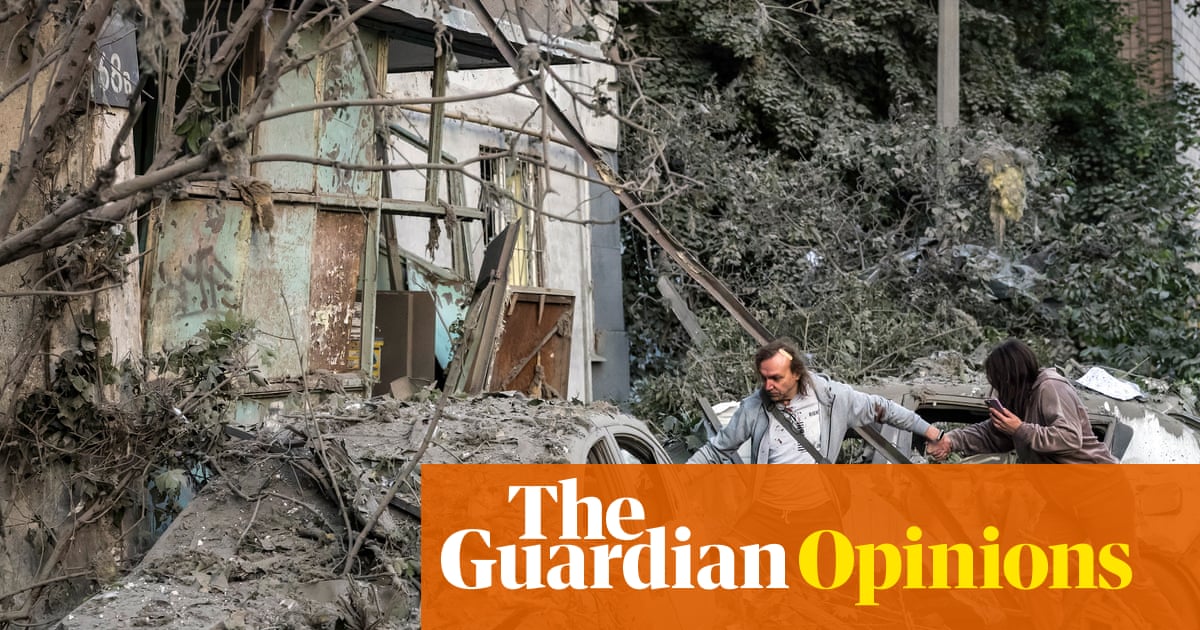
The piece argues that a credible EU membership path is central to any peace deal for Ukraine. It says fast-tracking accession would strengthen Ukraine’s reforms and security while also giving Europe more leverage, military capacity, and strategic independence.
The article says Ukraine should not be kept waiting in line for years to join the EU. Like adding a strong new teammate to a club, it could help Ukraine rebuild, make Europe safer, and give the EU more power at the table.
Analysis
Why the article backs fast-tracking
Rahman says the war is now in its fifth year and that any eventual peace deal is likely to involve Russian acceptance that its original war aims have failed, while Ukraine makes de-facto territorial concessions. In that scenario, the US would provide security guarantees and the EU would offer Ukraine a membership path plus help with reconstruction. The author argues that the EU commitment is crucial because Zelenskyy may need it to sell any deal at home, including through parliamentary ratification and possibly a referendum.
The economic and strategic case
The article says accession would push reforms in Ukraine by strengthening the rule of law and helping root out corruption. That, in turn, could attract inward investment and reduce the reconstruction bill for European taxpayers. Rahman also argues that EU membership would give Europe leverage with the US and a stronger seat at the negotiating table.
He adds that membership would function as a security guarantee, even if it is not a substitute for Nato Article 5 or a US backstop. By making Russian planning more complicated, it could deter future aggression, especially while Donald Trump or the Maga movement remain influential in US politics.
Why many EU capitals hesitate
The article lays out several objections: pressure over free movement of labour, fears that Ukrainian farm exports would undercut EU farmers, corruption and rule-of-law concerns, and uncertainty over territories in eastern Donbas. It also notes the budget hit could be large because Ukraine is poorer and agrarian, implying major transfers from other parts of Europe. France and the Netherlands may also need referendums, and leaders worry about the precedent for the western Balkans, Moldova, and Georgia.
Rahman’s bottom line is that the old, slow enlargement model would leave Kyiv waiting for years, while faster accession would better match the scale of the security and economic stakes.
Key points
- The article argues that a credible EU membership path is central to any future peace deal for Ukraine.
- It says accession would support reforms, improve the rule of law, and help attract investment.
- The author claims EU membership would also strengthen Europe’s security and give it more leverage with the US.
- Major objections include labour mobility, agricultural competition, corruption concerns, budget costs, and possible referendums.
- Rahman says the current slow enlargement process would leave Ukraine waiting too long.
If the EU moves quickly, Ukraine could get a stronger security promise and a clearer path to rebuilding after the war. The article says that could also encourage reforms, attract investment, and make Europe more self-sufficient militarily and agriculturally.
The biggest risk is political resistance inside the EU, where many governments worry about labour movement, farm competition, corruption, and budget costs. The article also warns that contested territories, referendums in some countries, and the precedent for other applicants could slow or block accession.