The furious dispute over what caused Air India flight 171 to crash
A BBC look at the controversy around Air India flight 171's crash and the official inquiry that has followed it.
Intelligence analysis by GPT-5.4 Mini
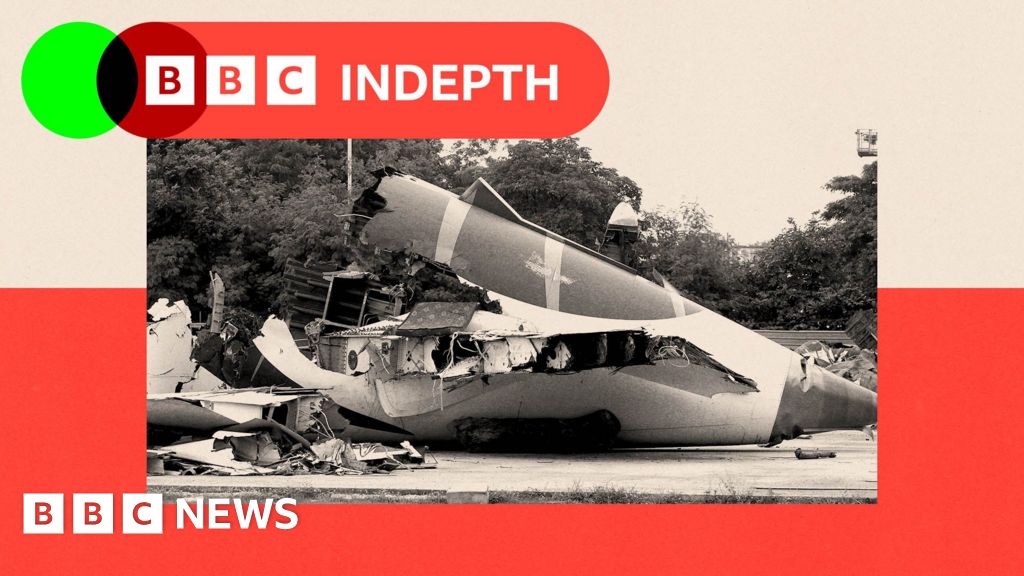
Air India flight 171 crashed 32 seconds after takeoff from Ahmedabad, killing 260 people. The BBC says the early investigation has sparked a backlash over what it revealed, how it was framed, and whether national crash probes can stay fully independent.
A plane crashed right after takeoff, and everyone wants to know why. The problem is that the first report left big questions, so people are arguing about whether the investigators are being clear and fair, like trying to solve a puzzle with missing pieces.
Analysis
What happened
Air India flight 171 left Ahmedabad for London on 12 June last year and crashed less than a minute later. The article says 260 people died, including passengers, crew, and people on the ground. CCTV and social media footage show the aircraft taking off normally before losing height and crashing out of view.
Why the inquiry is controversial
The official investigation is being led by India’s Aircraft Accident Investigation Bureau, with the US National Transportation Safety Board involved under international rules. Those rules are supposed to focus on preventing future accidents, not assigning blame. But the BBC says the process has already become contentious.
A preliminary report released a month after the crash did not reach conclusions, yet two details caused an uproar. First, the flight data recorder showed both fuel cutoff switches moving from run to cutoff seconds after takeoff. Second, the cockpit voice recording reportedly captured one pilot asking why the other had cut off fuel, followed by a denial. The article notes that the report did not provide a transcript or full explanation in that section, which fueled speculation and anger.
Why this matters beyond one crash
Boeing, which built the plane, and GE Aerospace, which built the engines, are both part of the wider investigation. Air India, owned by Tata Group, also faces reputational pressure. The BBC frames the dispute as a broader question: can national authorities handle high-stakes crash probes in a way that the public, industry, and families will trust?
Key points
- Air India flight 171 crashed 32 seconds after takeoff from Ahmedabad and killed 260 people.
- The AAIB is leading the investigation, with the US NTSB and industry experts involved under international rules.
- A preliminary report highlighted the fuel cutoff switches and a cockpit voice recording, but did not draw conclusions.
- Safety campaigners, pilots' groups, and relatives' lawyers have criticized the inquiry and its handling.
- The case raises broader questions about whether major crash investigations can be seen as impartial and trustworthy.
If the inquiry finishes with clear evidence and a transparent explanation, it could restore trust in the process and help improve airline safety. A careful, internationally credible investigation could also help families and the public understand what happened.
If people keep believing the inquiry is influenced by politics or company interests, confidence in the findings may stay low. That could deepen the dispute, prolong pain for families, and leave questions about safety unresolved.