The geography of the strait speaks for itself
The article argues that the Strait of Hormuz is an inseparable part of Iran's geographical body, citing its convex coastline and geological continuation of the seabed. This natural design makes Iran the gatekeeper of the Persian Gulf and guarantees the security of the wat…
Intelligence analysis by Llama
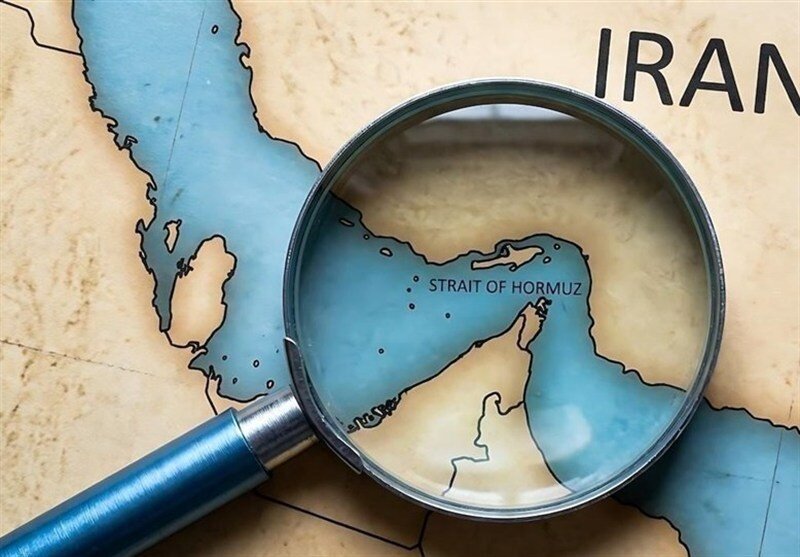
The article emphasizes Iran's full sovereignty over the Strait of Hormuz, citing its natural and historical realities. It argues that any foreign interference is contrary to these realities.
Imagine a big arc of land that sticks out into the sea. This arc is like a big shield that protects the Persian Gulf. The Strait of Hormuz is like a narrow doorway that leads into the Gulf. Iran controls this doorway and can stop anyone from entering the Gulf without its permission.
Analysis
A Natural Continuation of the Iranian Plateau
The article begins by examining the physical geography of the Strait of Hormuz, noting its convex coastline and geological extension of the seabed from the Zagros mountain range. This natural design makes Iran the gatekeeper of the Persian Gulf and guarantees the security of the waterway. The article argues that the Strait is not merely a waterway, but an inseparable part of the natural domain of the Iranian Plateau.
A Strategic Chokepoint
The article highlights the strategic importance of the Strait of Hormuz, noting that it is the only navigable channel for supertankers. The convexity of the coastal arc and the existence of shallow sedimentary areas along the edges of the arc place severe limitations on the maneuverability of foreign naval fleets. Asymmetric tactics such as the mass deployment of fast attack boats and the laying of naval mines become highly effective in this context.
A Historical Continuity
The article notes that the Strait of Hormuz is the submerged continuation of the Zagros mountain range and part of the body of the Iranian Plateau. The sedimentary layers and salt domes beneath the Strait correspond entirely in structure to the southern mainland of Iran and originated from the very tectonic processes that shaped the Iranian Plateau itself. This historical continuity bears witness to the intrinsic belonging of this seabed to the land of Iran.
Key points
- The Strait of Hormuz is an inseparable part of Iran's geographical body.
- The convexity of the coastal arc and the geological continuation of the seabed make Iran the gatekeeper of the Persian Gulf.
- The article emphasizes Iran's full sovereignty over the Strait of Hormuz.
- Any foreign interference is contrary to the natural and historical realities of the region.
If Iran continues to maintain its control over the Strait of Hormuz, it could lead to increased stability and security in the region. This could also lead to increased trade and economic cooperation between Iran and other countries.
If foreign powers were to gain control over the Strait of Hormuz, it could lead to a significant increase in regional tensions and conflict. This could also lead to a decrease in trade and economic cooperation between Iran and other countries.