The Guardian view on Cop31: the green transition must not be derailed
Cop31 climate talks gain political breathing room with Lula's win in Brazil and Democratic success in US midterms. Despite ongoing threats and 2.7C warming projections, a global green transition remains crucial.
Intelligence analysis by Gemini 2.5 Flash Lite
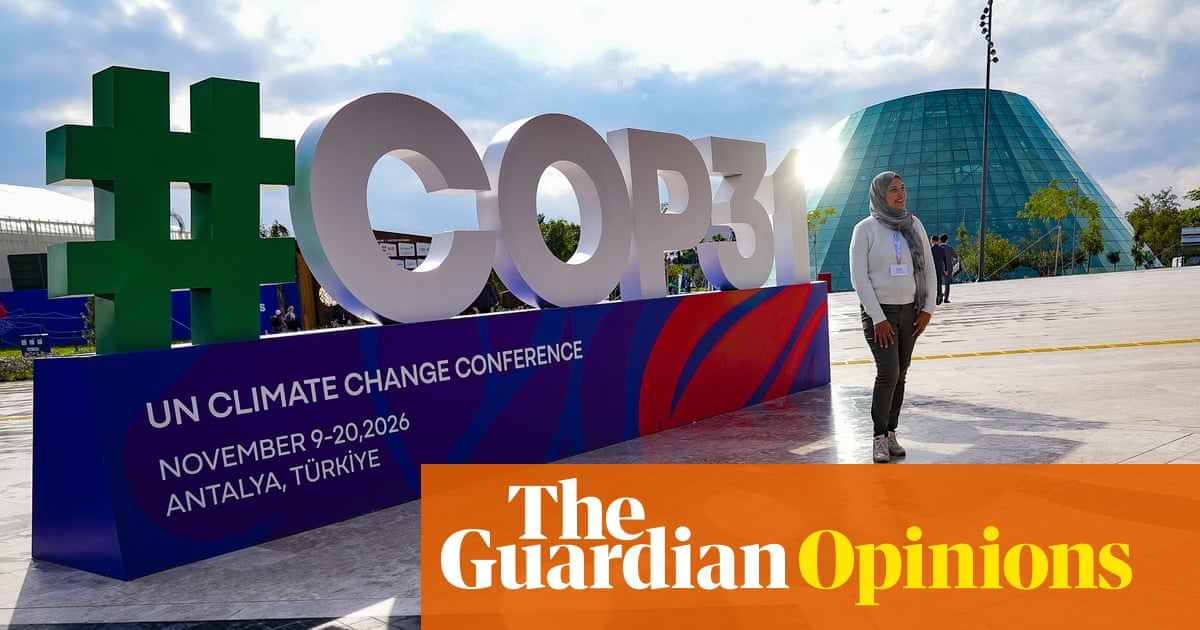
The Cop31 climate talks have seen a slight reprieve due to political shifts in Brazil and the US, offering a less bleak diplomatic picture. However, the urgency to pivot away from fossil fuels remains paramount as global temperatures are projected to exceed the Paris agreement targets. The UN climate process, despite its flaws, is presented as the only viable mechanism for a global gr…
Imagine the Earth is getting a fever, and scientists are worried. World leaders meet at big conferences, like Cop31, to figure out how to cool it down by using less dirty energy like coal and oil, and more clean energy like sunshine and wind. Even though it's hard to change, most people want leaders to act, and those pushing for change have growing support.
Analysis
Cop31 and Political Shifts
The recent Cop31 climate talks have been unexpectedly bolstered by positive political developments in key nations. The re-election of Luiz Inácio Lula da Silva in Brazil is a significant win for the climate, averting a potentially disastrous environmental deregulation under his opponent. Similarly, the success of Democrats in the US midterms has curtailed the influence of Donald Trump, whose administration was marked by a withdrawal from climate initiatives. These outcomes provide a crucial, albeit temporary, political breathing space for climate diplomacy, suggesting a less dire immediate future than previously feared.
While these political shifts offer some relief, the overarching threat of climate change remains acute. António Guterres' stark warning of "make or bake time" underscores the urgency, especially with current projections indicating global heating of 2.7C by the century's end, far exceeding the 1.5C target of the Paris agreement. This necessitates an immediate and decisive pivot away from fossil fuels. The article notes the disappointing low attendance of G7 leaders at Cop31, with only the UK's Andy Burnham making the trip, while French and German leaders prioritized an EU summit. This highlights a persistent challenge in securing high-level political commitment to climate action.
The Imperative of a Green Transition
The article stresses that despite the daunting warnings of rising risks, unprecedented heat, and catastrophic events like the Nepal-Tibet glacier collapse, a sense of paralysis must be avoided. The UN climate process, though flawed, is indispensable as it provides the sole existing mechanism for orchestrating a global green transition. The appointment of a climate security adviser by the UK's Andy Burnham is seen as a positive step, contrasting with the UK government's recent rejection of net zero commitments, which undermines cross-party consensus. Ministers are urged to recognize that the economic damage from carbon pollution from new oil and gas projects, such as the Rosebank field, would far outweigh any perceived benefits.
Furthermore, the principle of climate justice is central to the argument. The article posits that poorer nations cannot be expected to abandon coal and oil if wealthier countries continue to invest in fossil fuels. A proposed resolution to derive 35% of global energy from electricity by 2035 is highlighted as a critical objective, contingent on overcoming objections from fossil fuel-producing nations. Equally important is the defense of the Intergovernmental Panel on Climate Change (IPCC), which provides the essential scientific foundation for climate negotiations. Increased accountability on climate finance is deemed urgently necessary, as prolonged delays are unacceptable for developing countries.
Public Support and Future Action
The editorial concludes on a cautiously optimistic note, emphasizing that a large majority of the global public understands the threat of global heating and desires government action. While acknowledging that abstract support for a green transition can face resistance when it impacts daily lives, proponents of a faster shift away from fossil fuels are encouraged by growing public awareness and support. This growing momentum suggests that those advocating for change are aligned with the future, while opponents remain entrenched in the past. The article implicitly calls for continued leadership and courage to implement the necessary changes, framing the green transition not just as an environmental necessity but as a path towards a more sustainable and equitable future.
Key points
- Cop31 climate talks benefit from positive political shifts in Brazil and the US, offering a temporary reprieve.
- Global warming projections remain critical, necessitating an urgent pivot away from fossil fuels.
- The UN climate process is vital for a global green transition, despite its flaws.
- Rich countries must lead the transition and provide climate finance to poorer nations.
- Public awareness and support for climate action are growing, providing momentum for change.
The re-election of Lula in Brazil and Democratic successes in the US midterms provide a more favorable political landscape for climate action. Increased global awareness and public support for a green transition can embolden leaders to implement necessary policies, potentially averting the worst impacts of climate change and fostering international cooperation on clean energy.
Despite some political wins, the article highlights the low attendance of G7 leaders at Cop31 and the continued influence of fossil fuel interests, suggesting a persistent challenge in securing high-level commitment. If rich countries fail to lead by example and provide adequate climate finance, poorer nations may be unable to transition away from fossil fuels, jeopardizing global climate goals.