The History of Portuguese Control Over the Strait of Hormuz: How the Customs, Tribute, and Cartaz System Worked
The article discusses the history of Portuguese control over the Strait of Hormuz, focusing on the customs, tribute, and cartaz system. It explains how the Portuguese used these systems to control trade and commerce in the region, and how they affected the local economy.
Intelligence analysis by Llama
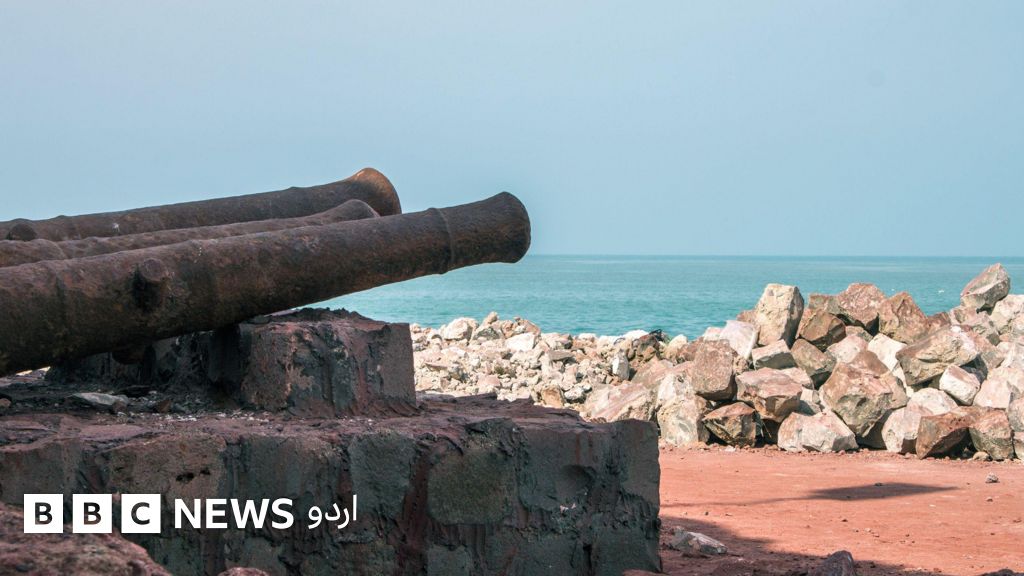
The Portuguese used the cartaz system to control trade and commerce in the Strait of Hormuz, requiring ships to obtain a permit to pass through the strait. This system was part of a broader strategy to control trade and commerce in the region, and it had a significant impact on the local economy.
Imagine you're a ship sailing through a narrow waterway called the Strait of Hormuz. To pass through, you need a special permit called a cartaz. This permit tells the Portuguese authorities who you are, what you're carrying, and who's on board. It's like a passport for ships. The cartaz system helped the Portuguese control trade and commerce in the region and made sure they got their fair share of taxes and tributes.
Analysis
The Cartaz System: A Historical Context
The cartaz system was a complex system of permits and licenses that the Portuguese used to control trade and commerce in the Strait of Hormuz. The system required ships to obtain a permit, known as a cartaz, to pass through the strait. The cartaz was a document that listed the ship's details, including its name, owner, and cargo. It also included a list of the ship's crew and passengers, as well as any other relevant information. The cartaz was issued by the Portuguese authorities in the region and was valid for a specific period of time. The system was designed to control the flow of goods and people through the strait and to ensure that the Portuguese received their due share of taxes and tributes. The cartaz system was an important part of the Portuguese strategy to control trade and commerce in the region and had a significant impact on the local economy.
The Impact of the Cartaz System
The cartaz system had a significant impact on the local economy. It allowed the Portuguese to control the flow of goods and people through the strait and to ensure that they received their due share of taxes and tributes. The system also helped to establish the Portuguese as the dominant power in the region and to secure their position as the primary traders and merchants. The cartaz system also had a significant impact on the local population, who were forced to pay taxes and tributes to the Portuguese. The system also limited the ability of local traders and merchants to engage in trade and commerce, which had a negative impact on the local economy.
The Legacy of the Cartaz System
The cartaz system has had a lasting legacy in the region. It has influenced the way that trade and commerce are conducted in the region and has shaped the relationships between the local population and the dominant powers. The system has also had a significant impact on the local economy, which continues to feel the effects of the cartaz system today. The article highlights the importance of understanding the historical context of modern-day conflicts in the region and the impact that the cartaz system had on the local economy.
Key points
- The cartaz system was a complex system of permits and licenses used by the Portuguese to control trade and commerce in the Strait of Hormuz.
- The system required ships to obtain a permit, known as a cartaz, to pass through the strait.
- The cartaz was a document that listed the ship's details, including its name, owner, and cargo.
- The cartaz system had a significant impact on the local economy and helped establish the Portuguese as the dominant power in the region.
- The system also limited the ability of local traders and merchants to engage in trade and commerce, which had a negative impact on the local economy.
If the development of the cartaz system is considered positively, it could lead to increased trade and commerce in the region, which could have a positive impact on the local economy. It could also lead to increased cooperation and understanding between the local population and the dominant powers.
If the development of the cartaz system is considered negatively, it could lead to increased tensions and conflicts between the local population and the dominant powers. It could also lead to a decline in trade and commerce in the region, which could have a negative impact on the local economy.