The household battery revolution that could change energy bills … and the world
Australia’s household battery boom is helping cut power prices and reduce reliance on gas at peak times.
Intelligence analysis by GPT-5.4 Mini
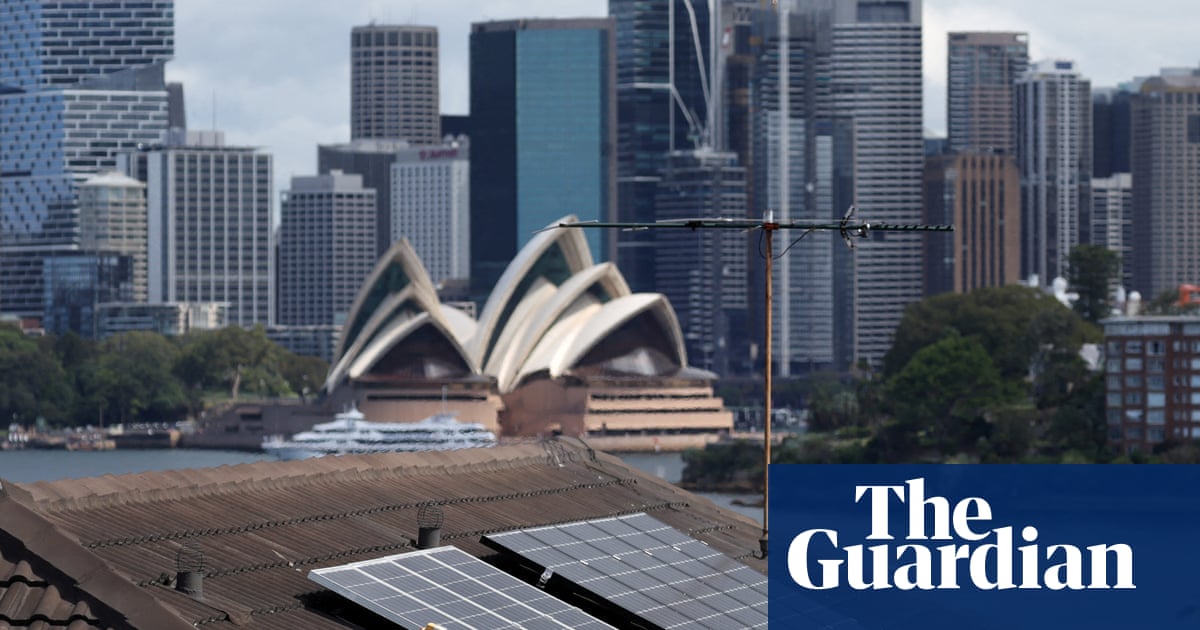
Australia is scaling home and grid batteries fast, pairing them with widespread rooftop solar. The article argues that policy, cheap tech and solar-heavy homes are starting to reshape electricity pricing and grid operation.
Australia has lots of solar panels on roofs. During the day, they make extra electricity that can be saved in home batteries, like putting food in a fridge for later.
At night, people can use that saved power instead of needing more expensive power from gas plants. That can help keep electricity bills lower.
The article says this is happening fast in Australia, and it may show other countries what could happen if solar panels and batteries become common together.
Analysis
Australia as a test case
Australia has become a leading market for home solar and, increasingly, home batteries. The article says nearly 60% of household-scale battery capacity installed across almost 200 other countries this financial year is in Australia, with about 415,000 connected since July.
How batteries are changing the grid
The piece explains that batteries are starting to solve one of the main criticisms of renewables: that solar and wind are intermittent. Instead of forcing the grid to lean on expensive gas-fired generation when the sun goes down, batteries store daytime solar and release it in the evening. That shift is already visible in the data the article cites, including total gas-fired generation being 24% lower across three summer months than a year earlier.
Why prices are falling
The article links the battery buildout to lower electricity costs, saying benchmark power prices fell by up to 10% in parts of the country as batteries increasingly cover the evening peak. Tennant Reed of the Australian Industry Group says batteries are now surging into the market at 6pm and are pushing gas peakers out even as demand rises.
The broader significance
The story frames Australia as a large-scale example of what can happen when policy, solar adoption and battery economics line up. It also notes a tension: Australia is a renewable leader at home while remaining a major fossil fuel exporter. The larger argument is that household batteries are moving from a niche add-on to a system-level force that can change how power is priced and delivered.
Key points
- Australia is installing household batteries at a very fast pace, alongside widespread rooftop solar.
- Batteries are helping replace expensive gas-fired power during evening demand peaks.
- The article says electricity prices have fallen by up to 10% in some parts of the country.
- The shift shows how policy and falling battery costs can change power markets.
- Australia remains a major fossil fuel exporter even as it leads in home solar and batteries.