The IPO Comeback Has A Catch
The piece argues the IPO market is not truly reopening for most startups; it is getting more selective, leaving many private companies and employees waiting for liquidity.
Intelligence analysis by GPT-5.4 Mini
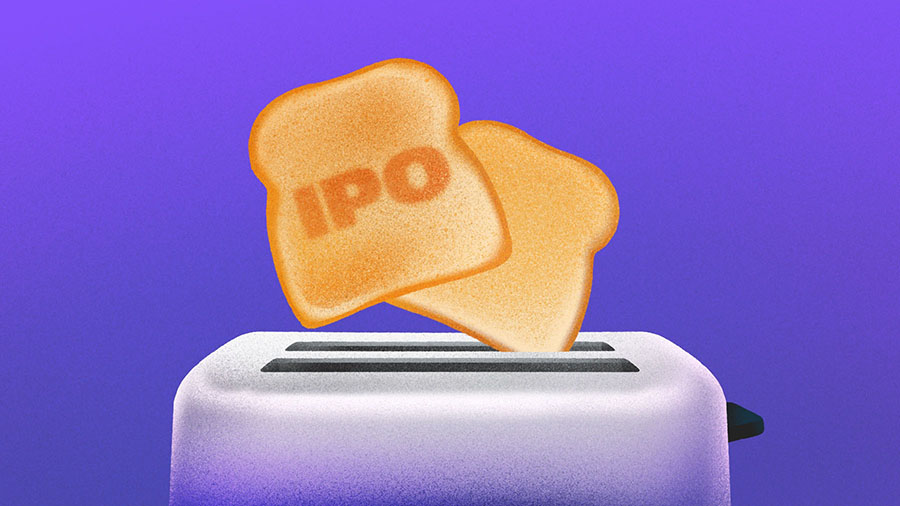
The article says the IPO market is not “back” in any broad sense. A few huge names may go public, but the threshold for listing has risen for decades, leaving many profitable private companies, their employees, and venture funds stuck without a clear exit.
A long time ago, a lot of companies could sell shares to the public. Now, only the biggest and strongest ones can do it easily. The article says that means the “door” to the stock market is still open, but much harder to walk through.
That matters because people who work at startups often get paid with shares instead of extra cash. If those shares cannot be sold, it is like having a toy locked in a clear box: everyone can see it, but it still cannot be used.
The article also says new ways of selling private shares are growing, kind of like a side market that helps when the main store has too few checkout lines. But that system is still slow and uneven, so many people keep waiting.
Analysis
The core argument
The article pushes back on the familiar claim that the IPO market is “coming back.” It says the market is not closed; it is shrinking. A few headline offerings may create the impression of recovery, but those deals are exceptions, not evidence that the broader startup market has regained a normal exit path.
Why the author thinks this is structural
The piece argues that the decline in IPOs is not mainly a temporary response to interest rates or market volatility. It points to long-term data: in 1996, more than 8,000 companies were listed on U.S. exchanges, while today there are fewer than 4,000 even though the economy is much larger. It also says the revenue required to go public has climbed sharply over time, meaning the typical IPO candidate today is much larger than the companies that used to list decades ago.
Who gets stuck
That rising bar leaves many private companies in limbo. Some are overvalued leftovers from the 2021 boom, but others are real operating businesses with revenue, margins, and years of history. Employees in those companies often accepted lower pay in exchange for equity, expecting that equity to become liquid. Venture funds also suffer because exits are delayed, distributed-to-paid-in capital stays weak, and LPs hesitate to re-up unless old funds produce returns.
What replaces the IPO
The author says private secondaries are filling part of the gap, but only unevenly. Tender offers help a few top-tier companies, while brokered marketplaces remain slow and concentrated in a small number of names. The article compares today’s market to the old Broad Street curb market: messy at first, but eventually organized into a real exchange. The implication is that the demand for liquidity is real, and the infrastructure around private exits is still catching up.
Key points
- The article argues the IPO market is not broadly recovering; it is becoming more selective.
- Public-listing requirements have risen over decades, pushing many private companies to stay private longer.
- Employees and venture investors are hurting because expected liquidity events keep getting delayed.
- Private secondaries and tender offers are helping, but they are concentrated in a small number of high-demand companies.
- The author sees a historical parallel with the old curb market, suggesting private liquidity infrastructure will eventually mature.