The Last Loyalists: As TMC Unravels, Mamata’s Old Guard Refuses to Walk Away
After TMC’s defeat and defections, the piece profiles veteran loyalists who still stand with Mamata Banerjee.
Intelligence analysis by GPT-5.4 Mini
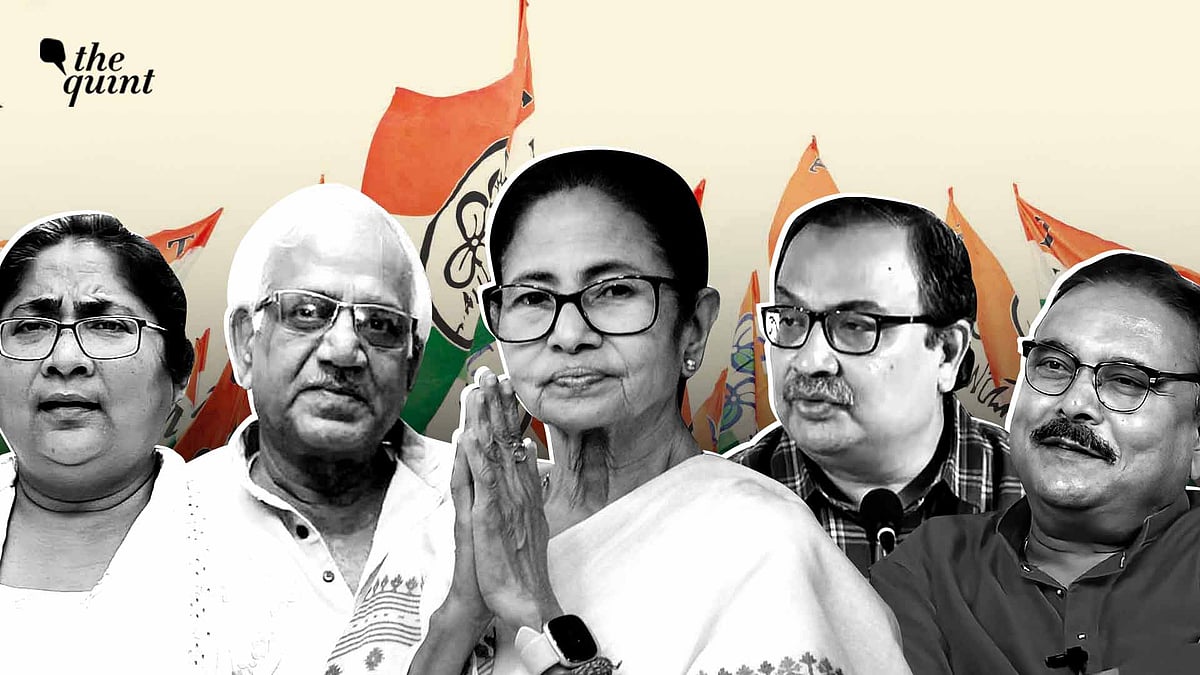
The opinion piece argues that while Trinamool Congress is splintering after its West Bengal defeat, a small group of long-time allies has stayed with Mamata Banerjee. It frames their loyalty as personal, political, and shaped by years of shared struggle, not just office or advantage.
The story is about a political team that is falling apart after losing, but a few old friends still stay by the leader’s side. It is like a school club losing many members, while a handful of classmates keep showing up because they remember the hard times together.
Analysis
What the piece says
The article begins with Mamata Banerjee at a protest in Kolkata and describes a party under strain after a major electoral defeat in West Bengal. It says many elected MLAs drifted away, chose their own opposition leader, and fueled talk of a wider split. Against that backdrop, the article spotlights a few older allies who remained with Mamata instead of chasing advantage.
The loyalists profiled
Madan Mitra is presented as the most visibly steadfast. The article traces his long association with Mamata back to student politics and the 1993 police firing on youth workers, then through the founding of the TMC in 1998, ministerial office, arrest in the Saradha case, and later sidelining. Even after setbacks and exclusion from key stages, he is described as refusing to leave her side.
Dola Sen is cast as a trade unionist whose political home shifted from the Left to Mamata’s camp during the Singur and Nandigram agitations. The piece says Mamata later gave her important organisational responsibility, including a role as joint secretary, and that she remained present at the protest when many others were absent.
Kunal Ghosh is shown as a more complicated loyalist, carrying both closeness and rupture. The article recounts how he once helped Mamata after she was attacked, later faced arrest in the Saradha case, accused her in anger, and still returned to the party. He fought cases, became a spokesperson, won a ticket, and stayed beside her after the split.
The argument underneath
The article’s larger claim is that loyalty in politics is not always clean or heroic. In TMC’s case, it can survive scandal, neglect, and defeat, and still remain rooted in personal history, shared struggle, and the memory of where people came from.
Key points
- The article describes the TMC as fractured after its West Bengal defeat and a wave of defections.
- It focuses on veterans who stayed with Mamata Banerjee instead of switching sides or seeking fresh power.
- Madan Mitra is portrayed as a long-time loyalist whose bond with Mamata survived arrests, setbacks, and sidelining.
- Dola Sen is framed as a former Left-leaning trade unionist who found a political home in Mamata’s movement.
- Kunal Ghosh is shown as a loyalist with a turbulent past, including arrest, public criticism, and later return to the party.
If these loyal veterans help steady the party, Mamata Banerjee may retain a core of experienced people who understand its history and organization. Their presence could give the TMC a base to rebuild from after the defeat.
If defections continue, the remaining loyalists may not be enough to stop deeper fragmentation inside the party. The article also suggests that personal loyalty can coexist with past conflicts, which may limit how much unity they can actually restore.