The Meenakshi Natarajan Episode is About More Than One Rajya Sabha Seat. It's About BJP's Tactics and Congress's Missteps
The rejection of Meenakshi Natarajan’s Rajya Sabha nomination in Madhya Pradesh exposed both BJP pressure tactics and Congress preparedness gaps.
Intelligence analysis by GPT-5.4 Mini
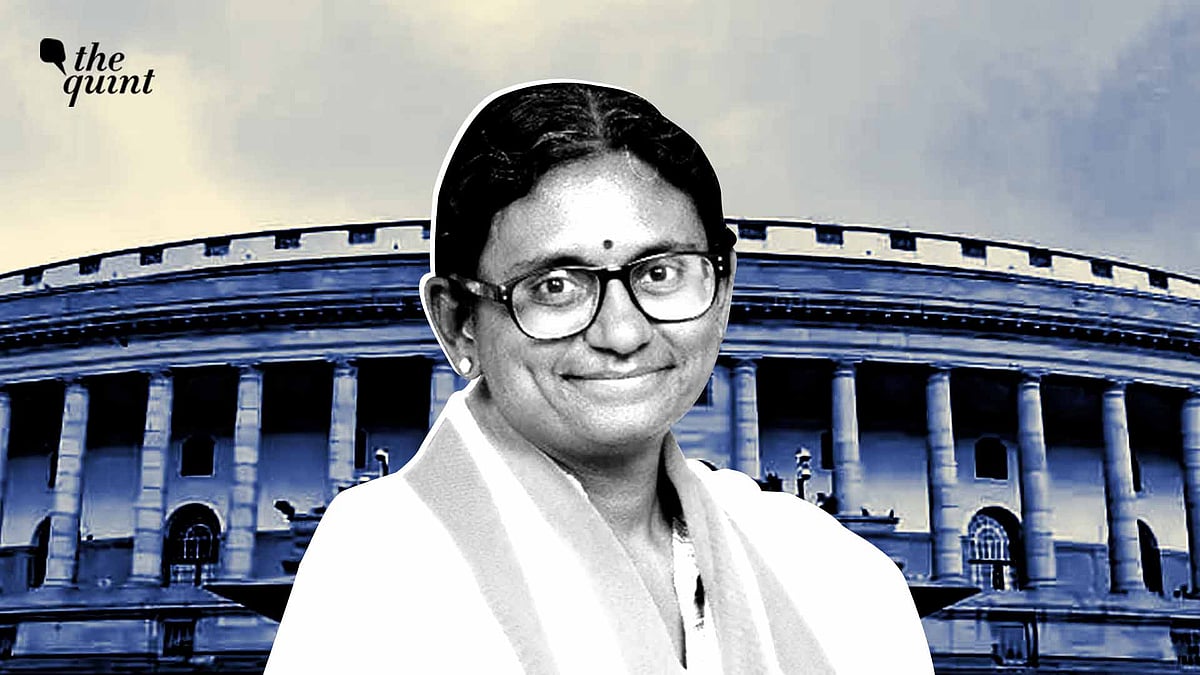
The piece argues that the Meenakshi Natarajan nomination controversy is not just about one seat in Rajya Sabha. It is presented as part of a broader BJP strategy to corner opponents, while also exposing Congress’s failure to anticipate and respond to that pressure.
A game was supposed to give each team a fair turn, but one team tried a surprise move that made the other team scramble. The article says the real problem is not just one seat, but how one side planned ahead better while the other side was caught off guard.
Analysis
What happened
The article focuses on the rejection of Congress leader Meenakshi Natarajan’s Rajya Sabha nomination in Bhopal. It says the issue goes beyond a single seat in Madhya Pradesh and should be read as part of the BJP’s wider political style.
BJP’s strategy
According to the piece, the BJP fielded a third candidate even though the Assembly numbers would normally have given the party two Rajya Sabha seats and Congress one. That move created pressure on the Congress and would have needed cross-voting from 8 to 10 Congress MLAs to succeed. The article argues that this was not random but part of a deliberate playbook that combines electoral calculation, legal moves, and pressure tactics.
Natarajan alleged that the controversy started when the BJP decided to field a third candidate despite lacking the numbers. She framed it as more than a seat fight, linking it to the protection of democratic values. The article also quotes her as saying, “First the BJP indulged in vote chori, and now in seat chori.”
Congress’s failures
The article is equally critical of Congress. It says the party did not anticipate the BJP’s move, had no backup or dummy candidate, and handled the crisis poorly. Congress state president Jitu Patwari said the nomination form had no heading or section where the disputed detail could be entered, but the article suggests the larger problem was organisational weakness. A senior Congress leader and MLA Phool Singh Barraiya both admitted the party should have been better prepared.
Institutions and consequences
The piece also raises questions about institutions, especially the Election Commission, noting that Congress leaders could not immediately meet officials after the rejection. Its broader warning is that Opposition parties need stronger systems and faster crisis response, or they will keep reacting to moves made by a more aggressive ruling party.
Key points
- The controversy over Meenakshi Natarajan’s nomination is presented as part of a larger political battle, not just a seat dispute.
- The article says the BJP’s third-candidate move was designed to create pressure and uncertainty.
- Congress is criticised for failing to anticipate the move and for lacking a backup plan.
- The piece raises concerns about how institutions such as the Election Commission handled the situation.
- Its central warning is that Opposition parties need stronger preparation to survive aggressive political tactics.
If the episode pushes Opposition parties to plan better, they may be less vulnerable to surprise tactics in future elections. A clearer, faster response could also strengthen trust in how nomination and election processes are handled.
If the pattern continues, Opposition parties may keep losing ground simply because they react too slowly to political and legal pressure. The article also suggests that public confidence can suffer if institutions appear unable to stop or calmly resolve such disputes.