The oil market now ignores Trump’s messages
The oil market has stopped reacting to Trump's social media posts about the Iran war, as they no longer reflect reality and have no connection to the actual oil supply.
Intelligence analysis by Llama
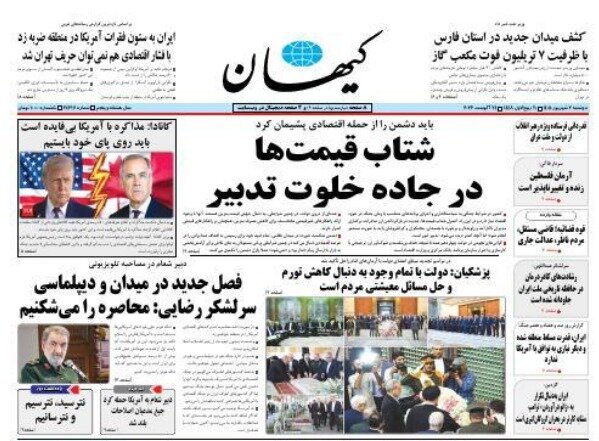
The oil market has lost its sensitivity to Trump's messages, as the market has become more realistic and less influenced by Trump's posts. This has significant political consequences, as Democrats use energy prices as a cudgel against Republicans in the midterm elections.
Imagine the oil market is like a big game of telephone. Trump sends a message about the Iran war, but the market doesn't listen anymore because it knows the message isn't true. This is causing problems for the US and global economies, and it's like a big chain reaction.
Analysis
Trump's Fading Influence Over Oil Markets
The oil market has stopped reacting to Trump's social media posts about the Iran war, as they no longer reflect reality and have no connection to the actual oil supply. This is a significant development, as fluctuations in oil prices ripple across the US and global economies. In the early weeks, markets overreacted to many of Trump's posts, but for months now, the market has been ignoring them. This erosion of Trump's influence over oil markets carries political consequences, as Democrats use energy prices as a cudgel against Republicans in the midterm elections.
Global Economic Crisis
The closure of the Strait of Hormuz has now become a crisis for the global economy. The flight of oil tankers from the strait amid escalating military tensions has pushed shipping rates to more than four times their pre-war levels. This unprecedented surge in transport costs brings a chain of negative consequences. First, the final cost of oil for consumer countries has risen sharply, meaning greater pressure on household budgets and intensified inflation worldwide. Second, countries lacking sufficient strategic reserves face serious challenges in securing their required oil and may encounter fuel shortages. Third, higher transport costs raise the final price of essential goods and industrial raw materials, since oil plays a key role in the production and transport of many products.
Disrupting the Arab-American Coalition-Building Game
American strategists openly speak of efforts to unite the Persian Gulf Arab states against Iran. Our diplomacy must anticipate the adversary's moves and deprive them of the pretexts for coalition-building. The agreement to restore relations with Saudi Arabia, along with expanding ties with the UAE and Qatar, must be upgraded from a mere political truce to deep economic and security linkages. If the Persian Gulf states develop tightly interwoven commercial and economic interests with Iran, they will not easily play Washington's anti-Iran puzzle.
Key points
- The oil market has stopped reacting to Trump's social media posts about the Iran war.
- The market has become more realistic and less influenced by Trump's posts.
- The closure of the Strait of Hormuz has become a crisis for the global economy.
- The final cost of oil for consumer countries has risen sharply, meaning greater pressure on household budgets and intensified inflation worldwide.
If the US steps back and announces progress in negotiations, the harsh sanctions may not be implemented, and the situation could improve.
If the US continues to impose severe economic sanctions and military strikes, the situation could worsen, and the global economy could face even more challenges.