The Problem With Shutting Down ICE in Blue States
Protesters in New Jersey are calling for the shutdown of the Delaney Hall immigration detention center, but experts warn that this could lead to worse conditions for detainees.
Intelligence analysis by Llama
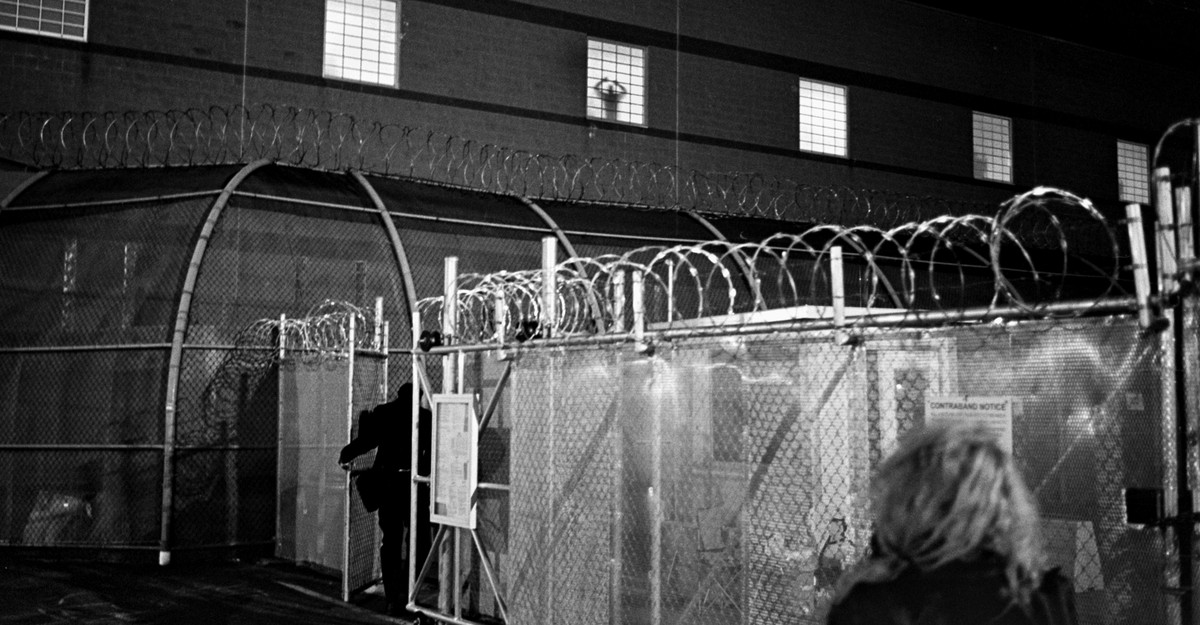
Shutting down ICE detention centers in blue states may not be as effective as it seems, as the agency can simply ship detainees to southern states with lower detention costs.
Imagine you're trying to stop a big truck from driving through a city. You can try to block its path, but the truck can just go around you and keep driving. That's kind of what's happening with ICE detention centers. When people try to shut them down, the agency can just find a new place to hold the people it's detaining. This can lead to worse conditions for the people being held, because they're farther away from their families and friends, and they may not have access to the same kind of help and support.
Analysis
A $60B Vote of Confidence
The Trump administration has been using the budget-reconciliation process to channel more than $100 billion in additional funding to ICE, 10 times the agency's annual budget. This influx of cash has given ICE the resources it needs to ship detainees to southern states, where detention costs are generally lower. As a result, shutting down ICE detention centers in blue states may not be as effective as it seems, as the agency can simply find alternative facilities to hold detainees.
Why Cursor?
Experts warn that shutting down ICE detention centers can lead to worse conditions for detainees. John Gihon, a former ICE attorney in Florida, told me that when ICE facilities shut down in Democratic-run states and cities, it's 'a small-time win' for activists but it leaves detainees worse off. 'ICE is going to find the bed space,' Gihon said. 'A lot of time, it's going to be farther away from a blue state, and farther away from friendly federal courts, in a place with terrible conditions.'
The Road Ahead
The debate over ICE detention centers has significant implications for immigration policy and the treatment of detainees. As the Trump administration continues to push for increased detention capacity, opponents of the agency's crackdown will need to find new ways to challenge its policies. One possible approach is to focus on improving conditions inside detention centers, rather than simply shutting them down. By working to address the root causes of the problem, advocates may be able to create a more just and humane immigration system.
Key points
- The Trump administration has given ICE a significant influx of funding, allowing the agency to ship detainees to southern states with lower detention costs.
- Shutting down ICE detention centers in blue states may not be as effective as it seems, as the agency can simply find alternative facilities to hold detainees.
- Experts warn that shutting down ICE detention centers can lead to worse conditions for detainees, as they are held in facilities that are farther away from their families and friends, and that may not provide the same level of care and support.
If the debate over ICE detention centers continues to focus on improving conditions inside the facilities, rather than simply shutting them down, it's possible that the agency will be forced to make changes that benefit detainees. For example, the agency may be required to provide better food, housing, and medical care for detainees, or to allow them to communicate more easily with their families and lawyers.
If the Trump administration continues to push for increased detention capacity, it's possible that the number of people being held in ICE detention centers will continue to rise. This could lead to even worse conditions for detainees, as they are held in facilities that are farther away from their families and friends, and that may not provide the same level of care and support.