The Promise Act Would Push Congress to Vote on Social Security Reform Before 2032's Projected 22% Benefit Cut for Retirees
A new bipartisan bill, the Promise Act, aims to force Congress to confront Social Security's upcoming funding shortfall and vote on a reform package before automatic benefit cuts hit retirees around 2032.
Intelligence analysis by Llama
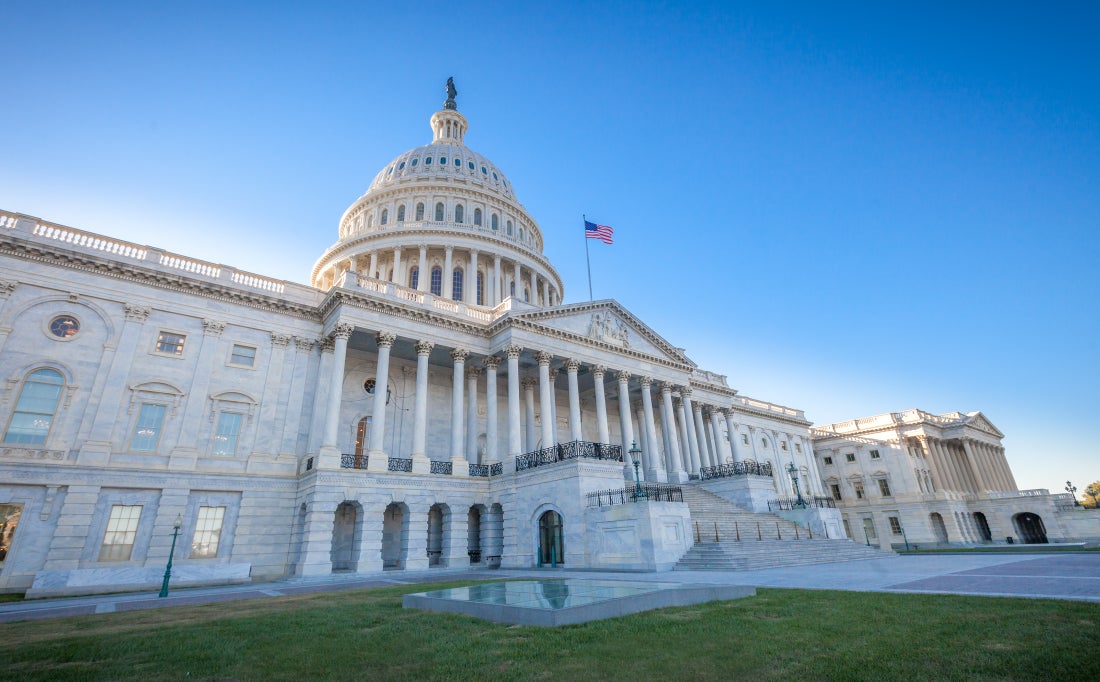
The Promise Act is a procedural bill that sets the stage for a disciplined approach to shoring up Social Security's trust fund. It calls for automatic reviews every 10 years and requires Congress to vote on a reform package before 2032's projected 22% benefit cut.
Imagine you're planning for your retirement, and you're counting on getting a certain amount of money from Social Security each month. But if Congress doesn't do something to fix the problem, that money might not be there. The Promise Act is a bill that tries to force Congress to fix this problem before it's too late.
Analysis
A Bipartisan Solution to Social Security's Funding Shortfall
The Promise Act is a new bipartisan bill that aims to force Congress to confront Social Security's upcoming funding shortfall and vote on a reform package before automatic benefit cuts hit retirees around 2032. Led by U.S. Sens. Dick Durbin, D-Ill., Bill Cassidy, R-La., Tim Kaine, D-Va., Thom Tillis, R-N.C., Angus King, I-Maine, Alan Armstrong, R-Okla., Chris Coons, D-Del.; and John Cornyn, R-Texas, the act establishes a legislative procedure to protect the long-term solvency of the Social Security trust fund.
Rather than waiting until the 11th hour to ensure that Social Security recipients continue to receive their full benefits, the new bill calls for congressional action to begin now. Acting sooner rather than later could end up helping future retirees.
What the Promise Act Proposes
The act is purely procedural, meaning it doesn't do the heavy lifting of setting specific tax increases, benefit cuts, eligibility changes, or any of the other suggestions made by advocacy groups. Instead, it creates a formal process and timetable for developing and voting on a Social Security solvency plan. It demands that Congress focus on the shortfall issue, rather than continuing to kick the can down the road.
The Promise Act directs the nonpartisan Social Security Advisory Board (SSAB) to hold 'listening sessions,' gather public input, and draft a legislative framework that would keep Social Security's trust fund solvent for a minimum of 50 years. If the SSAB can't agree on a proposal, majority leaders or other lawmakers could submit their own base bill.
Why It Matters
While the Promise Act -- which has not yet been passed and signed into law -- would not in itself raise or cut Social Security benefits, change taxes, or otherwise change the benefits, it would ensure that Congress could not avoid voting on some kind of solvency plan before reaching the 2032 cliff. If lawmakers fail to enact a solution, a 22% cut in benefits will occur under existing law. However, if they succeed, retirees could be spared a reduction in benefits.
Given healthcare costs and all the other expenses retirees must factor into their budgets, a plan to shore up Social Security can't come soon enough. The Promise Act is a first step to get the ball rolling.
Key points
- The Promise Act is a bipartisan bill that aims to force Congress to confront Social Security's funding shortfall and vote on a reform package before 2032.
- The act is purely procedural and doesn't set specific tax increases, benefit cuts, or eligibility changes.
- It creates a formal process and timetable for developing and voting on a Social Security solvency plan.
- The Promise Act directs the Social Security Advisory Board to hold 'listening sessions' and draft a legislative framework to keep the trust fund solvent for 50 years.
- If the SSAB can't agree on a proposal, majority leaders or other lawmakers could submit their own base bill.
If the Promise Act is passed and signed into law, it could lead to a more stable and secure Social Security system, which would be a positive outcome for retirees.
If the Promise Act fails to pass or is watered down, it could lead to a 22% cut in Social Security benefits, which would be a significant blow to retirees.