The Tale of KAHO appears at Iranian bookstores
Japanese writer Haruki Murakami's latest novel, The Tale of KAHO, has been translated into Persian and is now available at Iranian bookstores. The novel follows Kaho, a 26-year-old picture-book author, as she navigates a series of surreal and mysterious events after being…
Intelligence analysis by Llama
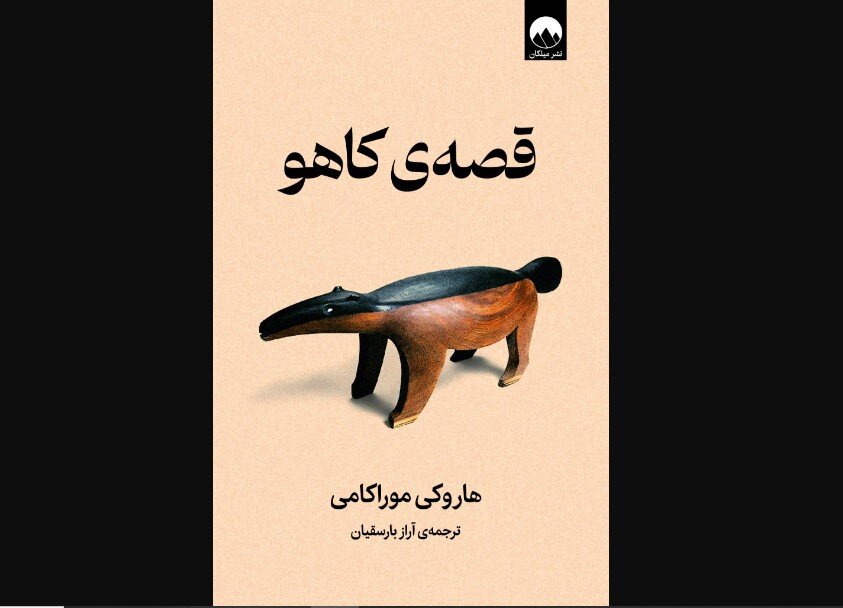
Haruki Murakami's latest novel, The Tale of KAHO, has been translated into Persian and is now available at Iranian bookstores. The novel follows Kaho, a 26-year-old picture-book author, as she navigates a series of surreal and mysterious events after being insulted by a man on a blind date.
Imagine you're a young woman who gets insulted by a man on a blind date. You start to wonder why he said something so mean and how it affects how you see yourself. This is the story of Kaho, a 26-year-old picture-book author, as she navigates a series of surreal and mysterious events in Haruki Murakami's latest novel, The Tale of KAHO.
Analysis
Identity and Self-Image in The Tale of KAHO
The novel's exploration of identity and self-image is a central theme, particularly in the way women are perceived by others. Kaho's journey is an attempt to understand how society, particularly men, sees her. This is reflected in the way she confronts questions about her appearance and how she sees herself. The novel's use of surrealism and dreamlike narratives adds depth to this exploration, making it a thought-provoking read.
Haruki Murakami's Writing Style
Murakami's writing style is distinctive and has earned him a global readership. His use of blending surrealism, dreamlike narratives, and elements of Western popular culture with themes of loneliness, memory, love, and alienation is unique. The Tale of KAHO is no exception, with its four chapters titled 'Kaho and the Motorcycle Man,' 'The Anteater of Musashi-sakai,' 'Kaho and the Termite Queen,' and 'The Guardian Angel, Elephant Egg and Scarlett Johansson.'
The Novel's Themes
At its core, the novel is not simply a surreal adventure. Kaho's strange journey also becomes an exploration of identity, self-image, and the way women are perceived by others. The initial insult forces Kaho—who had previously paid little attention to her appearance—to confront questions about how she sees herself and how society, particularly men, sees her. This is a relevant theme for readers interested in Iranian culture and literature.
Key points
- The Tale of KAHO is Haruki Murakami's latest novel, translated into Persian and available at Iranian bookstores.
- The novel follows Kaho, a 26-year-old picture-book author, as she navigates a series of surreal and mysterious events after being insulted by a man on a blind date.
- The novel explores themes of identity, self-image, and the way women are perceived by others.
- Murakami's writing style is distinctive and has earned him a global readership.
The novel's exploration of identity and self-image may inspire readers to reflect on their own perceptions and how they can work to create a more positive and inclusive environment.
The novel's themes of identity and self-image may also highlight the challenges women face in society, particularly in terms of how they are perceived by others.