The traditional 9-to-5 banking day is officially dying, says Morgan Stanley execs
Morgan Stanley executives say the era of traditional 9-to-5 banking is ending as markets move toward 24/7 trading and settlement. They expect tokenized assets to bring blockchain technology to mainstream investors before many buy cryptocurrencies directly.
Intelligence analysis by Llama
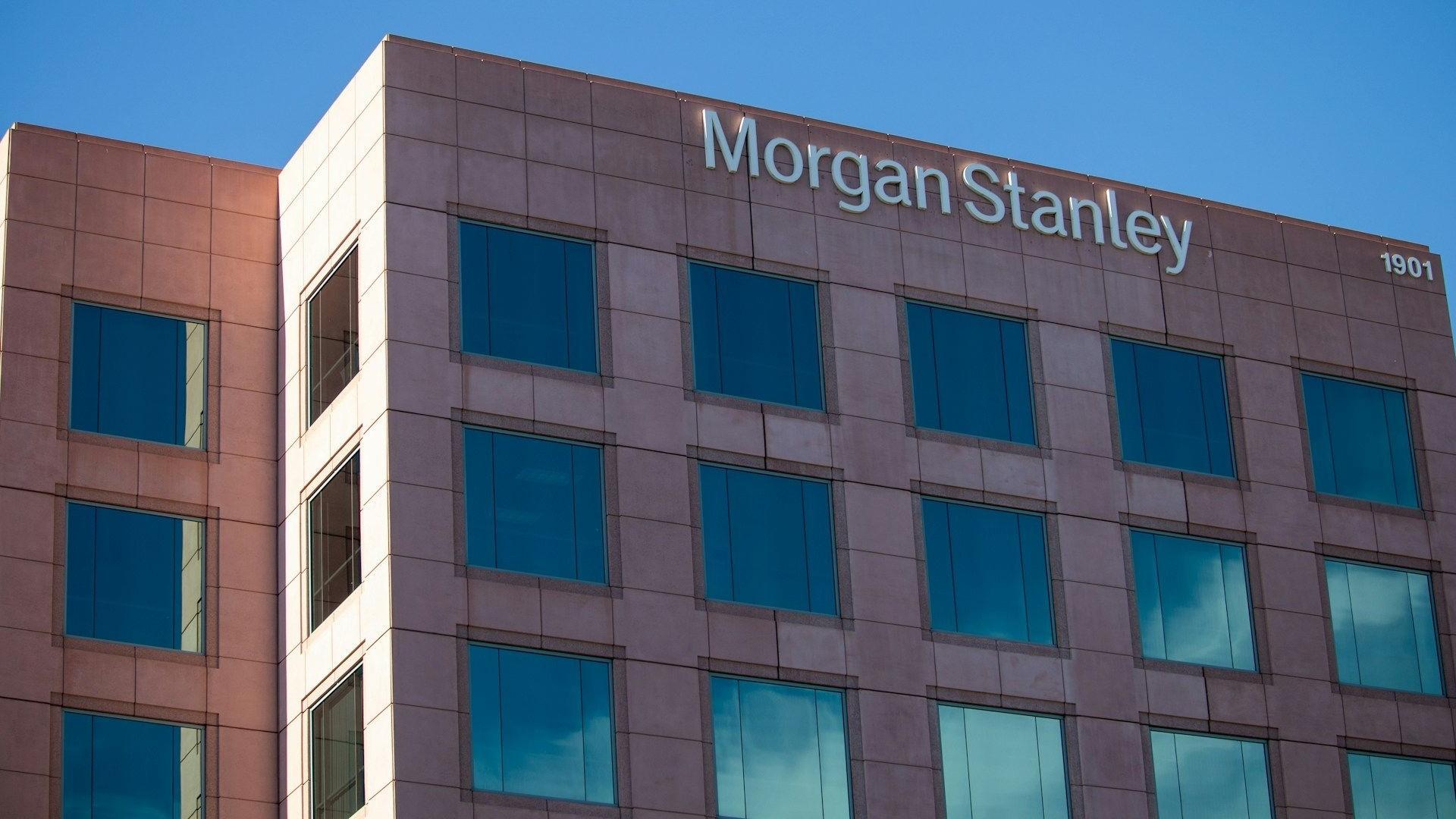
Morgan Stanley executives say the traditional 9-to-5 banking day is dying as markets move toward 24/7 trading and settlement. They expect tokenized assets to bring blockchain technology to mainstream investors before many buy cryptocurrencies directly.
Imagine a world where you can trade and invest in assets 24 hours a day, 7 days a week. That's what's happening in the financial industry, thanks to something called tokenization. It's like a new way of moving money and assets around, and it's making the old way of doing things seem old-fashioned.
Analysis
The End of Banker Hours
Morgan Stanley executives are sounding the death knell for the traditional 9-to-5 banking day. As markets move toward 24/7 trading and settlement, the era of banker hours is coming to an end. This shift is driven by the increasing adoption of tokenized assets, which are expected to bring blockchain technology to mainstream investors before many buy cryptocurrencies directly.
Tokenization is about far more than just cryptocurrencies. It's about rebuilding financial infrastructure for an always-on economy. As Betsy Graseck, Morgan Stanley's global head of banks and diversified finance research, put it, 'I do phrase it as, look, this is the end of banker hours. Your batch processing mentality is going to be a thing of the past.'
The move to tokenized assets is not just about cryptocurrencies; it's about creating a new financial infrastructure that allows assets to move 24 hours a day, seven days a week. While cryptocurrencies demonstrated that round-the-clock markets were possible, executives said the same infrastructure is increasingly being applied to traditional assets.
Morgan Stanley has steadily expanded its digital asset offerings over the past year. The firm recently began offering spot trading in bitcoin, ether, and solana through its E*TRADE platform while broadening access to cryptocurrency ETFs for wealth management clients. On the asset management side, Morgan Stanley launched its first spot bitcoin ETF earlier this year, followed this week by spot ether and solana ETFs.
Investor demand is no longer centered solely on bitcoin or other cryptocurrencies. Institutions are now looking at tokenization because it can improve cash mobility, increase collateral efficiency, and create new investment opportunities. As Denny Galindo, Morgan Stanley Wealth Management investment strategist, put it, 'I think we're going to see a lot of mainstream impact from something tokenized that people can buy that they used to have a hard time getting access to.'
The discussion highlighted how tokenization is already moving beyond theory. Morgan Stanley Wealth Management investment strategist Denny Galindo said tokenized money market funds and stocks have expanded rapidly this year and predicted they will introduce many investors to blockchain technology before they ever buy a cryptocurrency.
As more exchange-traded funds and tokenized products become available, investors are becoming more comfortable with digital assets as investment options continue to expand beyond bitcoin. Ali Wallace, Morgan Stanley Investment Management's global head of capital markets and ETF strategy, said product development is already evolving in response to investor demand. She pointed to growing interest in multi-currency digital asset ETFs as the next stage of innovation.
Graseck expects the transition to take years rather than months. Still, she believes the direction is clear. 'There are investors who are very interested in being able to manage their funds on a 24/7 basis,' she said. 'The entirety of your investor base is not your domestic market.'
Key points
- Morgan Stanley executives say the traditional 9-to-5 banking day is dying as markets move toward 24/7 trading and settlement.
- Tokenized assets are expected to bring blockchain technology to mainstream investors before many buy cryptocurrencies directly.
- Morgan Stanley has expanded its digital asset offerings over the past year, including spot trading in bitcoin, ether, and solana through its E*TRADE platform.
- Investor demand is no longer centered solely on bitcoin or other cryptocurrencies, but rather on tokenization for its potential to improve cash mobility and increase collateral efficiency.
- The discussion highlighted how tokenization is already moving beyond theory, with tokenized money market funds and stocks expanding rapidly this year.
If this development plays out positively, we could see a significant increase in investor comfort with digital assets, leading to more widespread adoption and innovation in the financial industry.
However, there are also risks associated with this shift, including the potential for increased volatility and the need for investors to adapt to new technologies and processes.