The Trump administration is reportedly in talks about taking a stake in OpenAI
OpenAI is reportedly discussing a possible equity stake for the U.S. government, but no terms have been set.
Intelligence analysis by GPT-5.4 Mini
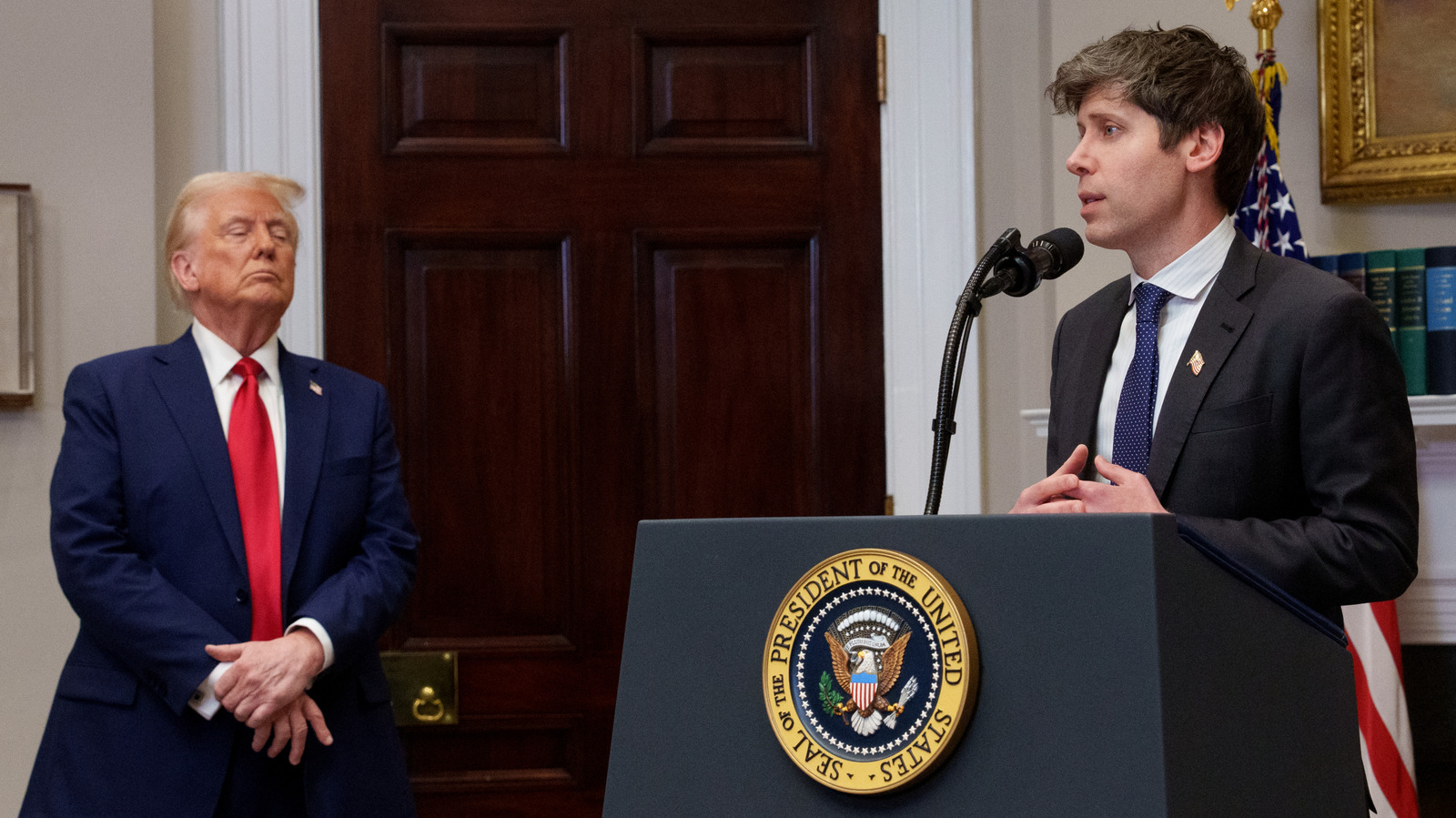
The article says the Trump administration and OpenAI have discussed a deal that could give the U.S. government an ownership stake. The talks are ongoing, and the size or structure of any stake has not been decided.
OpenAI and the U.S. government are talking about a possible deal where the government could own a small part of the company. It is like a family talking about whether a neighbor should get a slice of a pie, but no one has cut the pie yet.
Analysis
What is being discussed
The article says OpenAI could become the latest tech company in which the U.S. government takes a stake. The reporting, first attributed to NOTUS and confirmed by CNBC, says senior U.S. officials have been talking with AI companies about possible equity stakes.
How the idea came up
According to CNBC’s source, talks between the Trump administration and OpenAI CEO Sam Altman date back to 2025, when Altman first raised the idea. The article says one possible outcome is that OpenAI would voluntarily offer some equity to the government.
What OpenAI wants
The piece links the talks to OpenAI’s proposed “Public Wealth Fund,” an idea the company outlined in April. That plan, as described in the article, would aim to give every citizen a stake in AI-driven economic growth. The article does not say that such a fund exists yet or that any deal has been finalized.
What is still unknown
No official terms have been settled, so it remains unclear how large any government stake would be or what conditions would apply. The article also notes that the Trump administration recently signed an executive order giving the U.S. government oversight over AI models before public release. OpenAI said it would comply with that order and allow regulators to review its latest models before public access.
Context from the article
The article compares this possible arrangement with the U.S. government’s 10% stake in Intel, which came with a nearly $9 billion investment. Here, though, the OpenAI talks are described as ongoing, and the deal is still only a possibility.
Key points
- OpenAI is reportedly in talks about a possible equity stake for the U.S. government.
- CNBC reported the discussions have been ongoing since 2025, when Sam Altman first proposed the idea.
- The article links the talks to OpenAI’s proposed Public Wealth Fund and its idea of shared AI-driven growth.
- No terms have been finalized, so the size and structure of any stake remain unknown.
- The story comes as the Trump administration has also moved to expand oversight of AI models before release.
If the talks lead to a deal, the government could gain a direct role in shaping how a major AI company grows and is overseen. The article also suggests OpenAI could link the arrangement to broader public benefit through its proposed wealth-fund idea.
The deal may never be finalized, since the article says no official terms have been settled. Even if it moves forward, a government stake could raise questions about oversight, influence, and how independent OpenAI remains.