The Trump era meets a midterm reality check as Democrats reclaim Washington
US midterm elections saw Democrats achieve significant victories, reclaiming key states and governorships, marking a categorical repudiation of Donald Trump's political influence. Voters expressed dissatisfaction with his policies, signaling a profound shift.
Intelligence analysis by Gemini 2.5 Flash
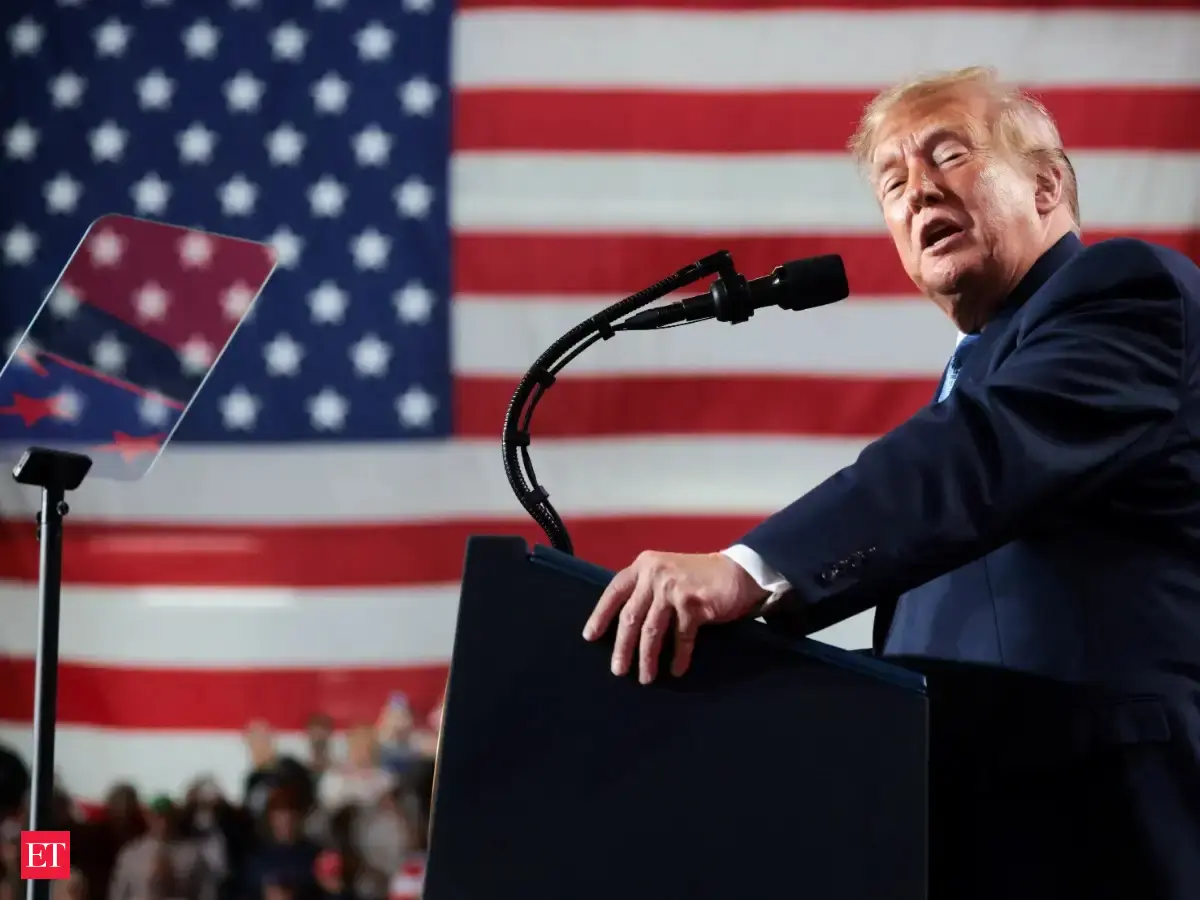
The recent US midterm elections delivered a substantial setback to Donald Trump's political influence, as Democrats secured control of crucial states and governorships, including historic wins for diverse candidates. Voter discontent over Trump's economic policies and foreign interventions fueled this outcome, signaling a reordering of power in Washington.
Imagine a big boss in charge of a country who did things his own way. When it was time to pick new helpers, many people decided they didn't like his approach anymore. They chose different helpers, especially in places where the boss's team usually won. It's like a school election where the popular kid's friends lose to a new group, showing people want a change.
Analysis
Donald Trump's Repudiation
The recent midterm elections in the United States delivered a decisive blow to the political influence of Donald Trump, marking what the article describes as a "categorical repudiation" of his governing style. For over a decade, Trump had seemingly defied conventional political rules, surviving numerous scandals, impeachments, and even a criminal conviction. His approach to these midterms, however, characterized by an insistence that the economy was robust and the war in Iran necessary, failed to resonate with voters.
This election cycle demonstrated that his "sheer force of personality" was no longer sufficient to sway the electorate. Significant losses were incurred by Republican candidates he had actively supported and campaigned for, including Darline Graham in South Carolina, Michael Whatley in North Carolina, and Ken Paxton in Texas. The article highlights that Trump's coarse brand of politics met its limits, even in states like Ohio, where Vivek Ramaswamy's campaign tactics proved unsuccessful.
Democratic Gains and Diverse Leadership
The Democratic Party achieved remarkable successes, reclaiming control of key states and securing governorships in traditionally Republican strongholds. Notably, Democrats are set to represent states like South Carolina, Texas, and Kansas in the Senate, areas previously considered Republican bastions. James Talarico's victory in Texas, for instance, marked the first time a Democrat won a Senate seat there since 1988.
The elections also ushered in a new era of diverse leadership, with a Black woman, Keisha Lance Bottoms, poised to become governor of Georgia, a state historically significant to both the Confederacy and the Civil Rights Movement. Similarly, Gina Hinojosa, a Latina, will assume the governorship of Texas, a state deeply affected by Trump's strict immigration policies. These victories, often exceeding even optimistic projections, underscore a significant demographic and ideological shift within the American electorate, propelled by a coalition of young, Black, and Latino voters.
A Profound Pivot in American Politics
The scale of the Democratic victories suggests a "profound pivot" in American politics, potentially signaling the waning of the Trump era's dominance. Even Trump, who famously disputed the 2020 presidential election results, acknowledged the Democratic successes this time, stating the party did a "good job." This acceptance contrasts sharply with his previous responses to electoral setbacks.
With Democrats controlling both the House and Senate starting in 2027, they can claim a mandate to steer Washington in a new direction. Roy Cooper, a Democrat who flipped a Senate seat in North Carolina, articulated this sentiment, emphasizing the need to stop the "chaos and corruption." While Trump's presidential veto power will still pose a challenge to enacting policy promises, the shift in congressional power means he can no longer rely on unquestioning Republican acquiescence. This reordering of power could empower more critical voices within the Republican party and reshape the political landscape for years to come.
Key points
- Democrats achieved significant victories in the US midterm elections, gaining control of key states and governorships.
- The results are seen as a "categorical repudiation" of Donald Trump's political influence and policies.
- Voters expressed dissatisfaction with Trump's economic policies, including tariffs, and the war in Iran.
- Diverse candidates, including a Black woman in Georgia and a Latina in Texas, secured historic gubernatorial wins.
- Donald Trump acknowledged the Democratic successes, a departure from his previous election responses.
- The outcome suggests a potential "profound pivot" in American politics and a waning of Trump's dominance.
The Democratic victories could lead to a more stable and predictable US political environment, potentially fostering greater international cooperation and reducing trade tensions. A shift away from unilateral policies might benefit global economic stability, which could indirectly support India's economic growth and trade relationships.
Despite the Democratic gains, Trump's continued presence and potential veto power could lead to ongoing political gridlock and policy uncertainty in Washington. This internal division might hinder effective governance and could create instability that impacts global markets and international relations, potentially affecting India's strategic calculations.