The US is banning foreign-made humanoid robots and power inverters
The US is banning foreign-made humanoid robots and power inverters due to national security concerns. The ban aims to kickstart domestic production of emerging technology.
Intelligence analysis by Llama
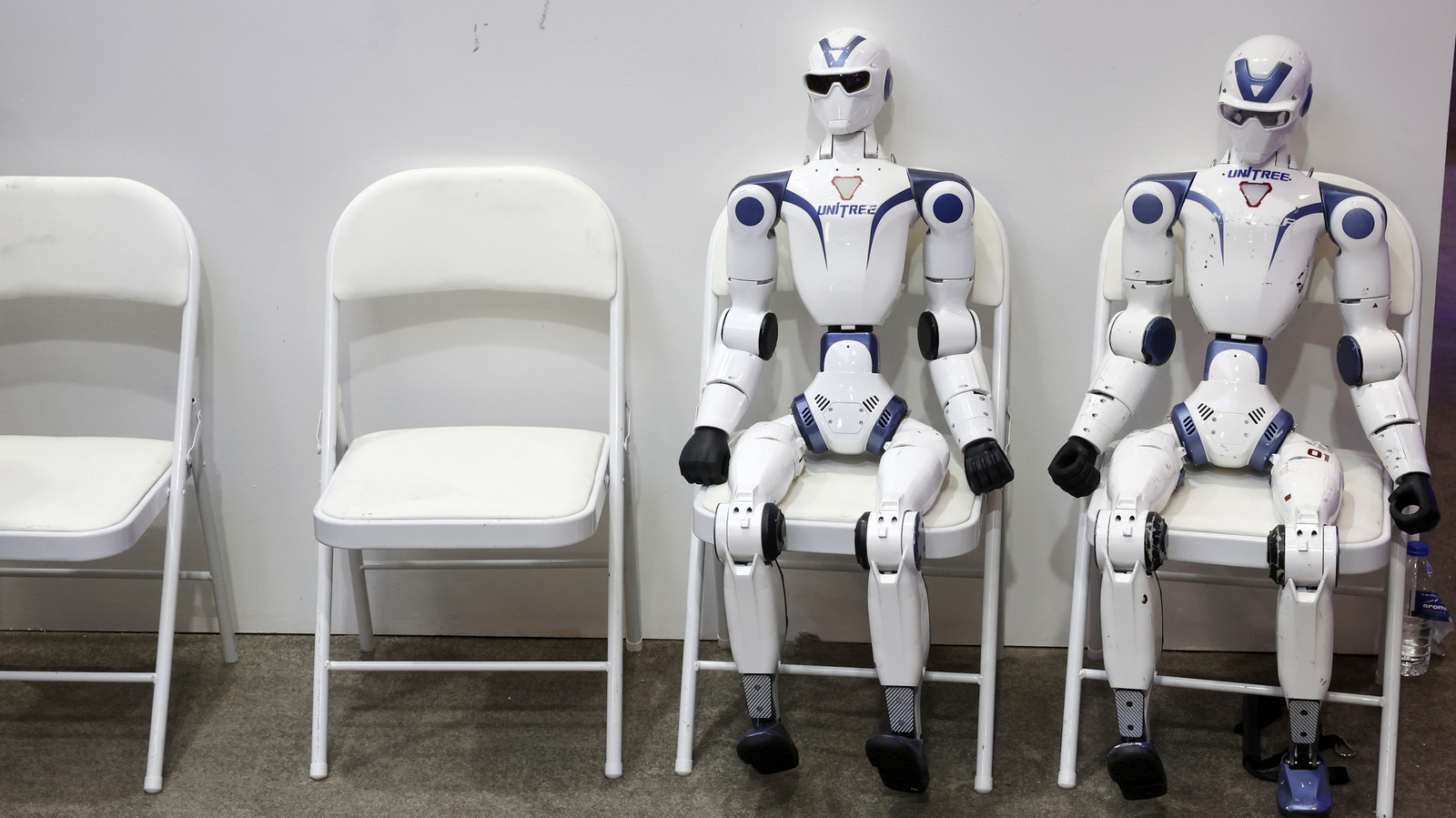
The US is banning foreign-made humanoid robots and power inverters due to national security concerns. The ban aims to kickstart domestic production of emerging technology, citing risks to supply chains and cybersecurity.
The US government is banning foreign-made robots and power inverters because it wants to make sure that these devices are safe and secure. It's like having a special team of experts who can make sure that the robots and power inverters we use are not a threat to our country.
Analysis
A National Security Strategy in Action
The US government's decision to ban foreign-made humanoid robots and power inverters is a significant step in its national security strategy. The move aims to promote domestic production of emerging technology, citing risks to supply chains and cybersecurity. The ban covers devices that are deemed to pose a national security threat, including quadrupeds and humanoid robots. However, there will be carveouts for those used by the Department of War and Department of Homeland Security.
Supply Chain Vulnerabilities
The ban is justified by the government's concern over supply chain vulnerabilities. The US is heavily reliant on foreign-made devices, which creates a risk of disruption to its economic and national security. The government is seeking to reduce this risk by promoting domestic production of emerging technology.
Cybersecurity Risks
The ban also aims to address cybersecurity risks associated with foreign-made devices. The government is concerned that these devices could create a cybersecurity risk that threatens American critical infrastructure. The ban covers devices that have Wi-Fi, cellular, or Bluetooth connectivity, which are deemed to pose a cybersecurity risk.
Challenges Ahead
While the ban aims to promote domestic production of emerging technology, it may prove to be challenging in the short term. The broad wording of the FCC's power inverter definition would seemingly include any backup batteries with an AC outlet and companion app, though these aren't specifically named and may be exempted. The government will need to work with companies to ensure that they can continue to sell their devices in the US.
Key points
- The US is banning foreign-made humanoid robots and power inverters due to national security concerns.
- The ban aims to promote domestic production of emerging technology and address supply chain and cybersecurity risks.
- There will be carveouts for devices used by the Department of War and Department of Homeland Security.
- The ban covers devices with Wi-Fi, cellular, or Bluetooth connectivity, which are deemed to pose a cybersecurity risk.
- The government will need to work with companies to ensure that they can continue to sell their devices in the US.
If this ban is successful, it could lead to the creation of new jobs and industries in the US. It could also promote innovation and the development of new technologies that are made in the US.
The ban could lead to higher costs for consumers and businesses. It could also create a shortage of certain devices, which could have negative impacts on industries that rely on them.


