The veteran IRGC commander who's now Iran's top security official
Mohsen Rezaei, a veteran IRGC commander, has been named secretary of the Supreme National Security Council, replacing Mohammad Bagher Zolghadr. Rezaei has spent more than five decades at the heart of Iran's political, security, and military establishment.
Intelligence analysis by Llama
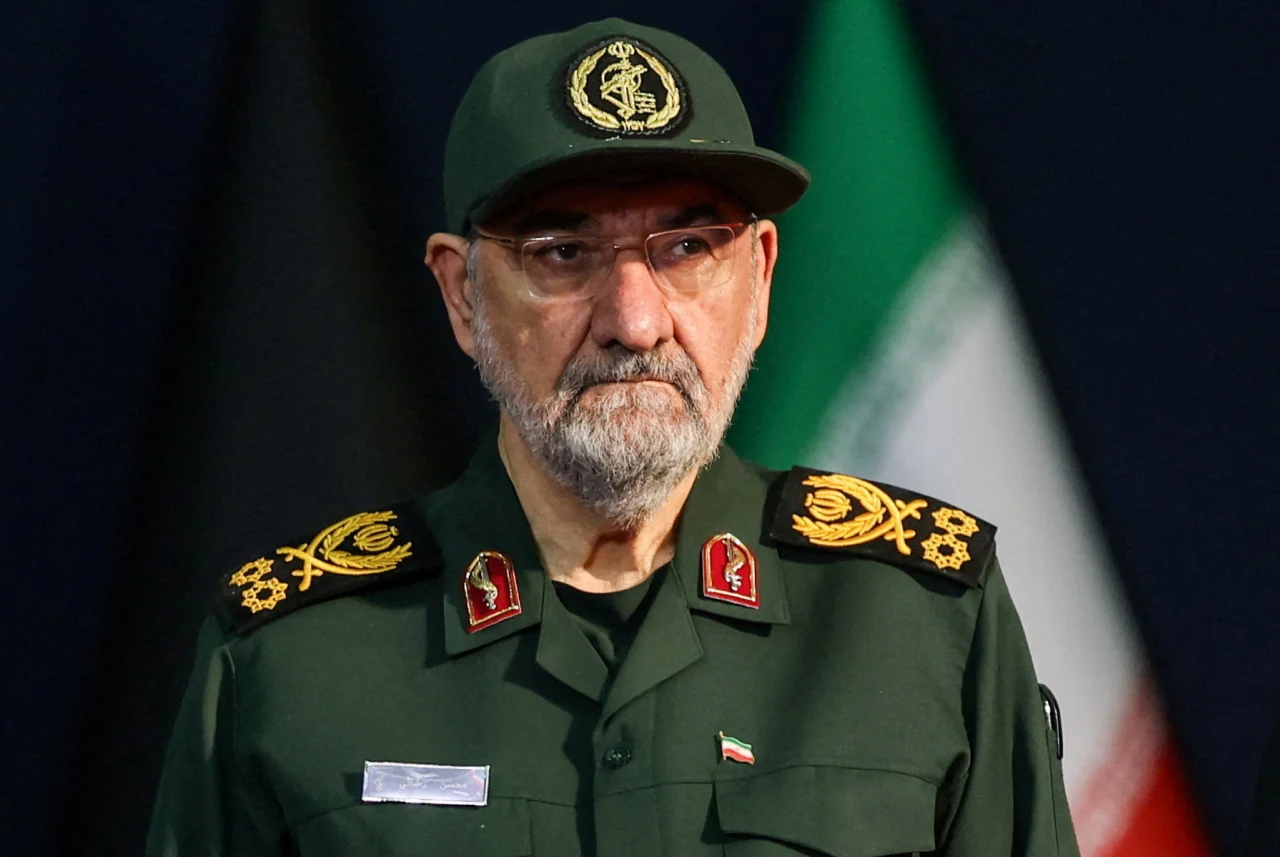
Iran's new national security chief, Mohsen Rezaei, is a military veteran and prominent regime figure who has voiced skepticism of negotiations with the United States. He has been appointed secretary of the Supreme National Security Council, replacing Mohammad Bagher Zolghadr.
Mohsen Rezaei is a veteran IRGC commander who has been appointed as Iran's new national security chief. He has been a key figure in Iran's security establishment for decades and has been a vocal critic of negotiations with the United States. Rezaei's appointment is significant because it elevates him into one of the regime's most influential roles.
Analysis
Rezaei's Rise to Prominence
Mohsen Rezaei has been a key figure in Iran's security establishment for decades. He was appointed commander-in-chief of the Islamic Revolutionary Guards Corp (IRGC) during the Iran-Iraq war in the 1980s and has spent more than five decades at the heart of Iran's political, security, and military establishment. Rezaei has been a vocal critic of negotiations with the United States and has argued for perpetual conflict in the region and with the United States.
Rezaei's Views on the US
Rezaei has been critical of the United States and has described President Trump as suffering from 'a lack of wisdom and prudence.' He has also stated that Iran's counterattacks during the most recent flare-up in fighting had forced the relocation of American forces in the region. Rezaei has also declared negotiations with the US 'over' and described talks as 'merely a bridge to cross, not a lasting commitment.'
Rezaei's Appointment
Rezaei's appointment as secretary of the Supreme National Security Council is significant because it elevates him into one of the regime's most influential roles. He has been a key figure in Iran's security establishment for decades and has been a vocal critic of negotiations with the United States. Rezaei's appointment is likely to have significant implications for Iran's relations with the United States and the region.
Key points
- Mohsen Rezaei has been appointed as Iran's new national security chief.
- Rezaei has been a key figure in Iran's security establishment for decades.
- Rezaei has been a vocal critic of negotiations with the United States.
- Rezaei's appointment is significant because it elevates him into one of the regime's most influential roles.
If Rezaei's appointment leads to a more pragmatic approach to negotiations with the United States, it could potentially lead to a more stable and secure region. However, Rezaei's past statements suggest that he is unlikely to be a proponent of negotiations, which could lead to further conflict in the region.
Rezaei's appointment could lead to further conflict in the region if he continues to advocate for perpetual conflict with the United States. His past statements suggest that he is unlikely to be a proponent of negotiations, which could lead to further instability and insecurity in the region.