The way you look can help you get a job - here's how
Research suggests that a candidate's appearance significantly influences hiring decisions, with many employers admitting to rejecting applicants based on how they looked. Job seekers are increasingly focusing on strategic presentation to stand out in a competitive market.
Intelligence analysis by Gemini 2.5 Flash
In a job market marked by high youth unemployment, candidates are finding that how they present themselves visually can be as crucial as their qualifications. Experts and successful job seekers emphasize that dressing appropriately, grooming, and mastering non-verbal cues can boost confidence and signal professionalism to potential employers, helping to overcome unconscious biases.
Imagine you're trying out for a school play. If you show up looking neat and ready, the director might think you're more serious and confident, even before you say your lines. It's a bit like that for grown-up jobs too; looking your best and acting confident can help people see you as a good fit, even though your skills are super important.
Analysis
The Unconscious Influence of First Impressions
Research consistently indicates that a candidate's appearance plays a significant, albeit often unconscious, role in the hiring process. A 2020 UK study revealed that over half of employers admitted to turning down a candidate due to their looks, citing factors like 'scruffy clothes' or 'poorly dyed hair.' This phenomenon is further explored by Min-Hsuan Tu, a professor of human resources, who notes that attractive individuals are often hired more frequently because they are associated with positive traits such as trustworthiness and intelligence. This bias is not merely superficial; Tu suggests that attractive people may develop better non-verbal communication skills and a higher sense of power from early life experiences, contributing to their confidence in interviews.
Strategic Presentation in a Competitive Landscape
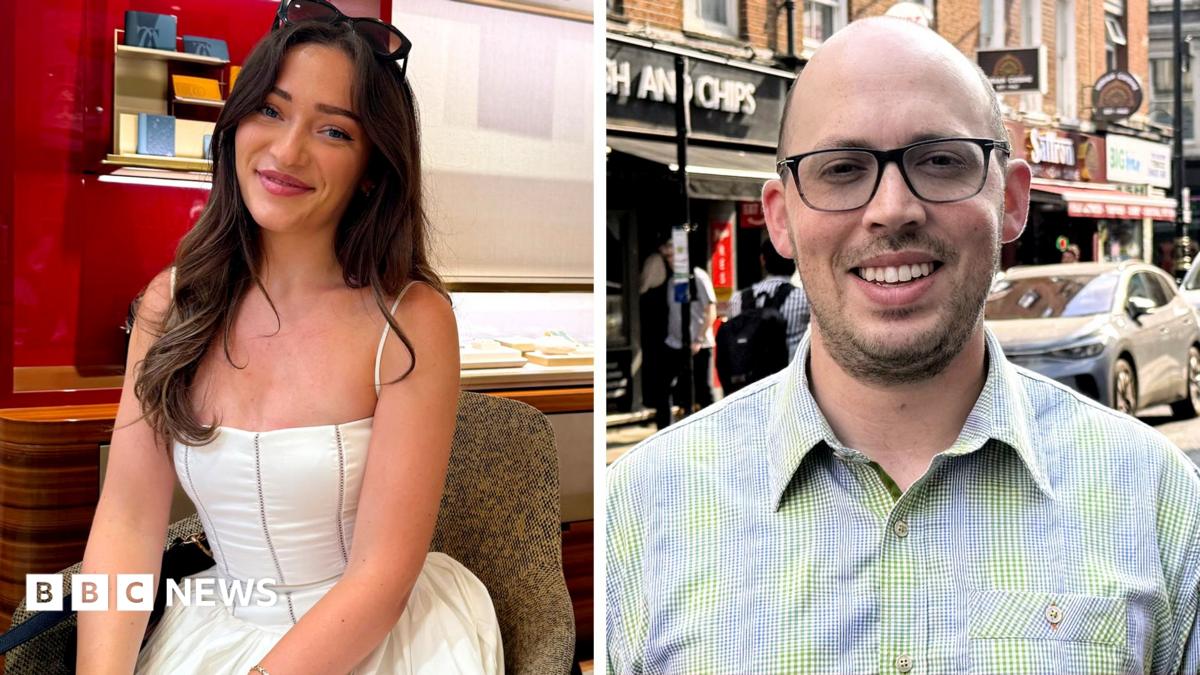
In a job market characterized by high youth unemployment, job seekers are increasingly adopting strategic approaches to their presentation. Taya Reed, a science graduate, meticulously planned her interview attire to align with the fashion company's culture, opting for an 'all-white ensemble' that conveyed a 'girly and summery' vibe. Similarly, Matt Cohen, a marketing master's graduate, chose a buttoned-down shirt and groomed his beard, aiming for a professional demeanor even when the company culture was more casual. Beyond clothing, non-verbal cues like maintaining eye contact, nodding, and projecting confidence are highlighted as essential. Career coach Caroline Hickey underscores that a well-presented appearance signals seriousness and allows interviewers to more easily envision the candidate in the role or interacting with clients.
Empowering Job Seekers Amidst Economic Challenges
The emphasis on appearance and non-verbal communication offers a tangible area where job seekers can empower themselves, particularly when facing high youth unemployment rates. While qualifications remain paramount, these elements provide an additional edge. Madeline Drucker, who secured two internships via video interviews, found that looking good — doing her hair, applying make-up, and wearing a nice sweater — significantly boosted her confidence and performance. This self-assurance, combined with practical strategies like deep breathing exercises, as practiced by Taya Reed, can help candidates manage stress and present their best selves. Ultimately, understanding and leveraging the psychology of first impressions can be a vital tool for navigating today's challenging employment environment.
Key points
- Over 50% of employers in a UK study admitted to rejecting candidates based on their appearance.
- Research suggests attractive individuals are often hired more due to perceived positive traits and better non-verbal skills.
- Strategic dressing, grooming, and mastering non-verbal cues (like eye contact) are crucial for making a good impression.
- Presenting well signals professionalism and seriousness to interviewers, helping them envision the candidate in the role.
- Boosting personal confidence through appearance and preparation can significantly improve interview performance, especially in competitive job markets.
Job seekers can proactively enhance their chances by focusing on their presentation and non-verbal communication, giving them a tangible way to stand out in a crowded market. This self-empowerment can boost confidence and lead to more successful interview outcomes, as demonstrated by the individuals in the article.
The reliance on appearance in hiring decisions highlights an inherent bias that could disadvantage qualified candidates who may lack the resources or awareness to optimize their presentation. This could perpetuate inequalities, making the job market even tougher for those already facing socio-economic barriers.