There are thousands of dirty old drill sites in Colorado. The state gave oil firms a $1bn pass
Colorado let major oil firms avoid more than $1bn in cleanup bonds, leaving thousands of old wells and spill sites to linger.
Intelligence analysis by GPT-5.4 Mini
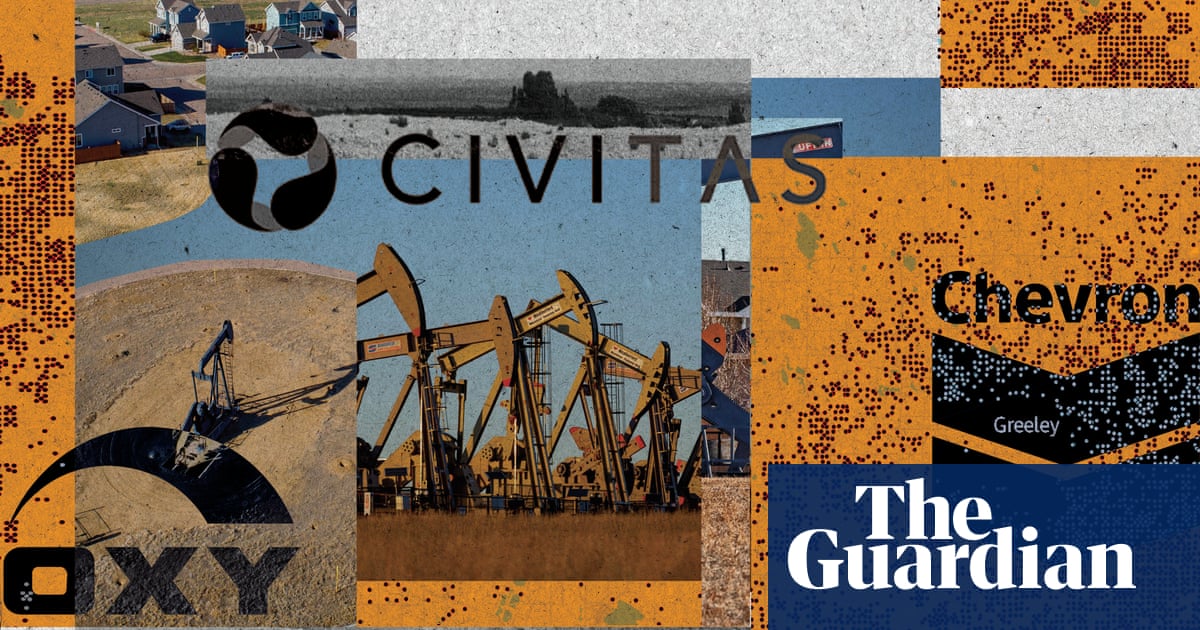
A Guardian and DeSmog investigation says Colorado regulators failed to require Chevron, Oxy and Civitas to post cleanup bonds for thousands of old wells and spill sites, weakening the financial pressure to restore land and water.
Colorado had lots of old, messy drill sites, and the state did not make big oil companies leave enough cleanup money. That is like letting someone rent a house without a real deposit, then hoping they will fix the damage later.
Analysis
What the investigation found
A Guardian and DeSmog investigation, built from thousands of state documents, says Colorado's oversight of oil and gas cleanup has broken down. The core issue is financial assurance: companies are supposed to post collateral for wells and cleanup work so the state has leverage if they fail to do it. In Weld county and elsewhere, the paper says that system was not properly enforced.
The investigation focuses on Chevron, Occidental Petroleum (Oxy), and Civitas, described as the state's three biggest oil companies. Together, they reportedly provided $146 million in guarantees for more than 11,700 wells, but they also own more than 14,600 plugged wells where cleanup was never completed. Those sites are tied to more than 6,200 cleanup locations, where pollution may still be affecting soil or water.
Why the regulator's choice matters
According to the article, Colorado regulators could have required as much as $1.3 billion in financial collateral after 2019 reforms gave the agency broader power. Instead, the agency found ways to waive or reduce those demands, leaving thousands of sites underfunded. The paper says this removed an important incentive for companies to finish the work promptly.
The story also shows how hard the problem is to see from the outside. One local resident, Christiaan van Woudenberg, started mapping spills after drilling moved near his home and he noticed repeated contamination around old sites. The broader takeaway is that a cleanup backlog can grow quietly for years, while the legal and financial burden is pushed into the future. The article says that, at the current pace, restoration could take decades.
Key points
- A Guardian and DeSmog investigation says Colorado regulators let oil firms avoid more than $1 billion in cleanup collateral.
- The article says Chevron, Oxy, and Civitas own more than 14,600 plugged wells where cleanup was not completed.
- Those companies are linked to more than 6,200 cleanup sites that may still have pollution in soil or water.
- The paper says regulators could have required up to $1.3 billion in guarantees after 2019 reforms but did not.
- At the current pace, the cleanup backlog could take decades to finish.
If Colorado reverses course and enforces its cleanup rules, the state could secure more money for restoration and push companies to finish the work faster. That would make it easier to deal with spills, plugged wells, and any lingering pollution before the backlog grows further.
If the waivers and weak oversight continue, the cleanup burden may remain spread across thousands of sites for decades. The article suggests that could leave polluted soil and water in place while the state loses leverage to force prompt repairs.