Third of people say uni degree not worth it, as student loan inquiry begins
An MPs’ inquiry opens as new polling finds 34% now question whether university is worth the cost, up sharply since 2005.
Intelligence analysis by GPT-5.4 Mini
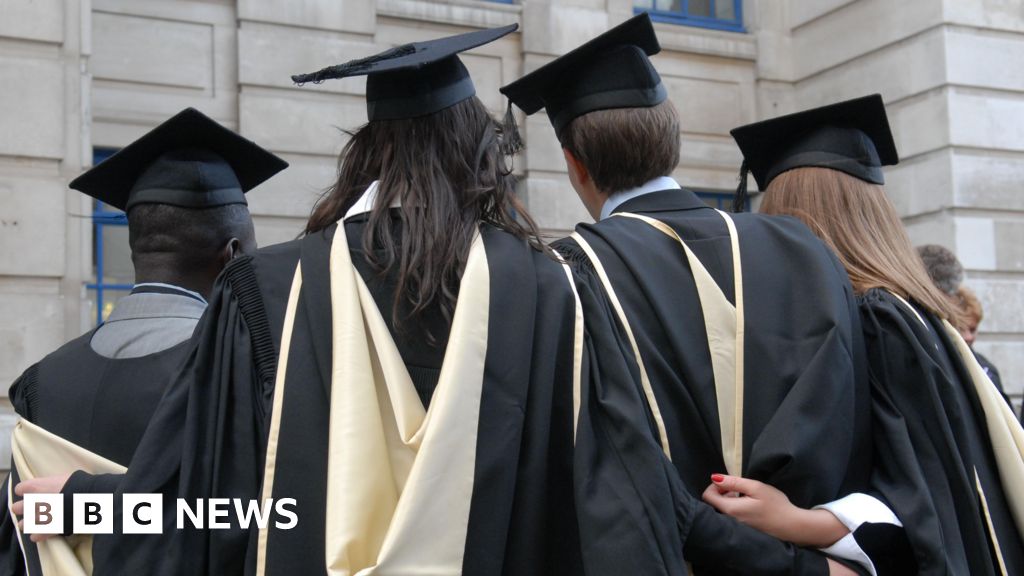
MPs are examining England’s student loan system while fresh research shows rising doubt about the value of a degree. The debate is centred on repayments, interest rates, and whether graduates are being pulled into long-running debts.
A big group in parliament is checking whether student loans are fair. Some people think college is still a good deal, but many others now feel the cost is too heavy.
One reason is that the loan can keep growing because of interest, even while people pay it back. That can feel like trying to empty a bucket while someone keeps pouring water into it.
The argument is about whether university helps enough to make the debt worth it, and whether the rules should change so young graduates do not feel stuck for so long.
Analysis
What the inquiry is looking at
A Treasury Select Committee inquiry into the student loan system in England begins with evidence from student groups and experts. The National Union of Students wants MPs to examine the graduate earnings threshold and the interest charged on loans. The government argues the system is designed to protect lower earners because repayments are tied to income and any unpaid balance is written off after the loan term.
Why the timing matters
The inquiry lands alongside new British Social Attitudes research showing a long decline in confidence in higher education’s value. In 2025, 34% of people said a university education is not worth the time and money, up from 14% in 2005. Confidence that graduates are much better off in the long run has also fallen over the same period, from 50% to 36%.
The pressure on borrowers
The article highlights concern among graduates on Plan 2 loans, issued between 2012 and 2023. One graduate, Gemma, said her balance rose from £34,105 after graduation in 2016 to £41,908 because interest outpaced repayments. She said the debt feels draining and has influenced decisions about starting a family.
More than 50,000 people have submitted written evidence to MPs, with many saying they did not fully understand the loan terms when they signed up. Graduates in England repay 9% of income above a threshold, which is due to be frozen at £29,385 from April 2027 for three years. The NUS says that freeze should be reconsidered, while the government says it has already raised the repayment threshold and capped Plan 2 interest at 6%.
The bigger economic question
Universities UK argues graduates are still more likely to be employed, earn more, and have better health, and says universities matter for national growth. The dispute is now over how to balance those wider benefits against rising debt anxiety and the risk that repayments are squeezing younger workers for years.
Key points
- MPs have opened an inquiry into England’s student loan system.
- New polling found 34% now say university is not worth the time and money, up from 14% in 2005.
- Graduates on Plan 2 loans say interest can grow faster than repayments.
- The repayment threshold is due to be frozen at £29,385 from April 2027 for three years.
- The government says the system protects lower earners and loans are written off after the term ends.
If the inquiry leads to changes, it could make repayments feel more manageable for lower and middle earners. Better rules or clearer terms could also rebuild trust for future students deciding whether university is worth it.
If the threshold freeze and interest settings stay in place, more graduates may start repaying earlier and feel pressure for longer. The article suggests that could deepen worries about buying a home, starting a family, or keeping up with rising balances.