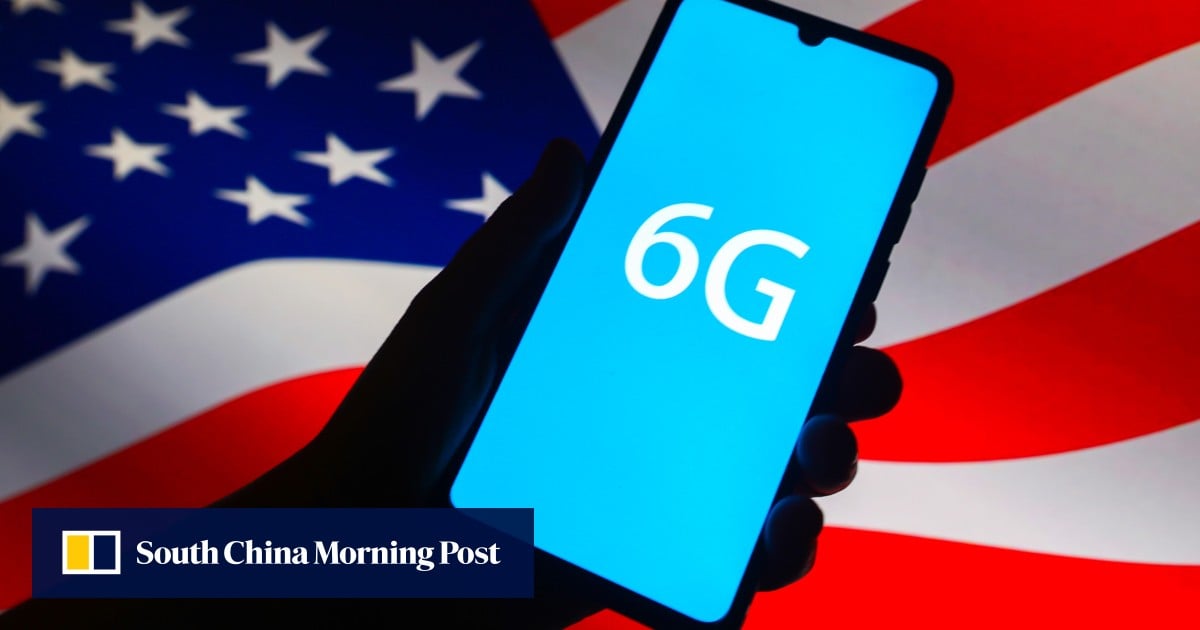
This Is How Trump Finally Signed the AI Executive Order
Trump signed a scaled-back AI order after aides pushed him to stop delaying a federal framework. It gives the government 30 days of early access to top models and tightens cyber focus.
Intelligence analysis by GPT-5.4 Mini

The article says Trump revived and signed a revised AI executive order after shelving an earlier version. The new plan reduces the review window from 90 days to 30, keeps the approach voluntary rather than formal regulation, and centers national-security and cyber defenses.
Trump signed a rule that lets the government look at the strongest AI models 30 days before everyone else sees them. It is like letting a fire inspector check a new building before the doors open, so problems can be found early.
Analysis
What changed
According to the article, Trump signed a scaled-back AI executive order after senior aides persuaded him that the administration could not keep postponing a framework for advanced AI. The key change from the earlier draft was the review period: the government will get access to the most advanced models 30 days before public release, instead of 90 days.
What the order does
The order is not described as formal regulation. Instead, it creates a voluntary process to identify which models are considered the most powerful, then gives the U.S. government a 30-day window to examine them for vulnerabilities before they go public. The article says the administration sees this as a response to concerns that frontier systems could be used in cyberattacks against critical infrastructure.
The order also directs federal agencies to build a classified process for deciding which models the U.S. government should see early, and which “trusted partners” should also get access. Separately, it tells the Pentagon to harden its classified networks within 30 days and instructs the Justice Department to pursue criminal cases against people who use AI models to hack computer systems.
Political and industry dynamics
The story frames the signing as a win for White House chief of staff Susie Wiles, Treasury secretary Scott Bessent, and National Cyber director Sean Cairncross, who helped revive the proposal over resistance from David Sacks. The article says some major AI companies supported the order, and Anthropic publicly called it an important step for U.S. leadership in AI.
The piece also says the order may reopen discussions with China about a similar framework for advanced AI systems, after those talks were put on hold while domestic policy was being settled.
Key points
- Trump signed a revised AI executive order after earlier shelving a broader draft.
- The new order shortens the federal review window for advanced models from 90 days to 30 days.
- The White House says the goal is to check frontier systems for security risks before public release.
- The order creates a classified process for selecting which models and partners get early access.
- The Pentagon and Justice Department also get instructions tied to cyber defense and AI-enabled hacking cases.
If the process works as intended, the government could spot dangerous weaknesses in frontier models before they are widely released. That could reduce the chance that powerful AI tools are used to break into critical systems, while still leaving room for companies to keep building quickly.
Because the order is described as voluntary rather than formal regulation, its impact may depend on how seriously companies and agencies participate. The early-access framework could also become a source of friction if firms view the review process as burdensome or too opaque.