This Is Lebanon: A Summer Defying War and Cross-Sectarian Tourism
A Lebanese column says summer travel and nightlife are still cutting across sectarian and regional lines despite war. It describes a season of rising demand, mixed crowds, and uneven recovery.
Intelligence analysis by GPT-5.4 Mini
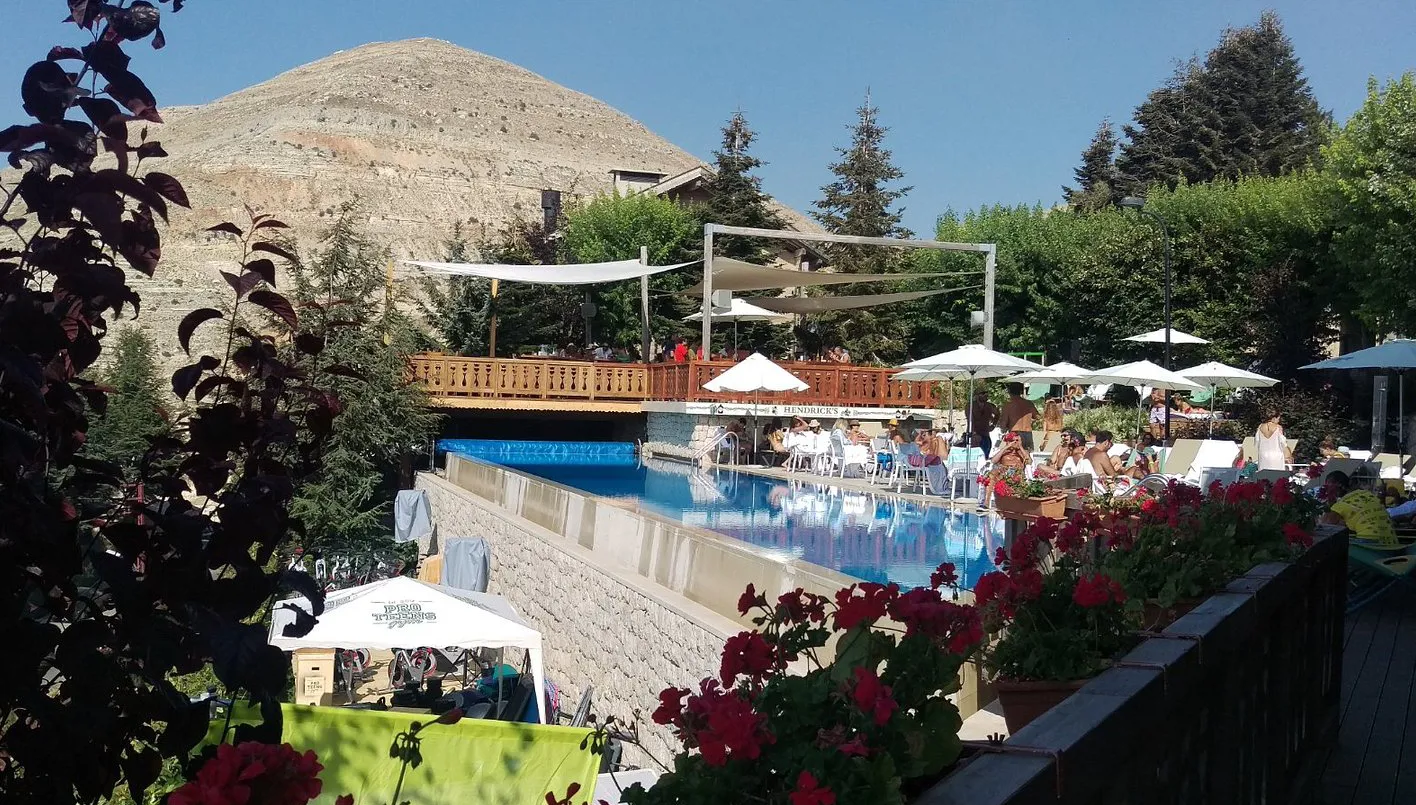
The piece argues that Lebanese continue to seek out summer, nightlife, and travel even as war and political tension linger. In places like Faqra, Ehden, Mar Mikhael, and Batroun, the article says class now matters more visibly than sectarian identity, while prices and bookings keep rising.
The article says many people in Lebanon keep going out, traveling, and enjoying summer even while danger and fighting are still around. It is like neighbors choosing to keep playing music and sharing meals during a storm.
Analysis
A summer that refuses to stop
The column presents Lebanese summer as a form of defiance. Even with war, violence, and political strain in the background, the author says people keep going to beaches, mountain resorts, restaurants, and night venues. The argument is not that conflict has disappeared, but that many Lebanese keep choosing movement, leisure, and social mixing over isolation.
Mixing across sects, sorting by class
One of the article’s central claims is that in some resort areas, sectarian difference is less visible than social class. In Faqra, the writer says affluent Beirutis and wealthy people from different communities share the same chalets, pools, restaurants, and evenings out. The article makes a similar point about nightlife in Mar Mikhael, where a restaurant owner says his guests come from many backgrounds and that even wartime tension has not erased that diversity.
Tourism is uneven, but real
The piece also stresses that the recovery is not uniform. Some regions are busy and fashionable, while others remain under stress or see fewer signs of life. Still, the author says the country looks headed for a decent summer, with bookings and projects suggesting continued demand. The example from Batroun, where a hotel room reportedly rose from $250 to $350 per night after demand increased, is used to show that the season is already pushing prices up.
The larger claim
The column’s final message is that Lebanese people are still seeking life, joy, and social contact in the face of death and conflict. Rather than presenting tourism as a distraction, it frames it as a stubborn social habit that crosses regions, parties, and sects, even if it cannot erase the country’s deeper fractures.
Key points
- The column says Lebanese summer life is continuing despite war and political tension.
- In some resort areas, the writer says class differences are more visible than sectarian ones.
- Nightlife and tourism still draw mixed crowds, including people from different communities.
- Hotel demand is rising, with at least one reported room price jump in Batroun.
- The article frames leisure as a kind of everyday defiance against conflict.
If the trends described continue, Lebanon’s summer season could keep attracting local and diaspora visitors and support hotels, restaurants, and resorts. The article suggests that shared leisure spaces can also bring people from different communities into the same rooms, tables, and beaches.
The recovery is uneven, and the piece says some areas are still feeling the effects of war and fear more than others. Rising prices and changing tensions could also limit access, making the season look healthier for wealthy customers than for ordinary people.